
Table of Contents
Introduction
Small garden ideas on a budget can transform a neglected area or a concrete strip into a welcoming space. Many people think that creating a beautiful garden is expensive, but it doesn’t have to be. All you need is a plan, some patience, and about £50 to £150 to start.
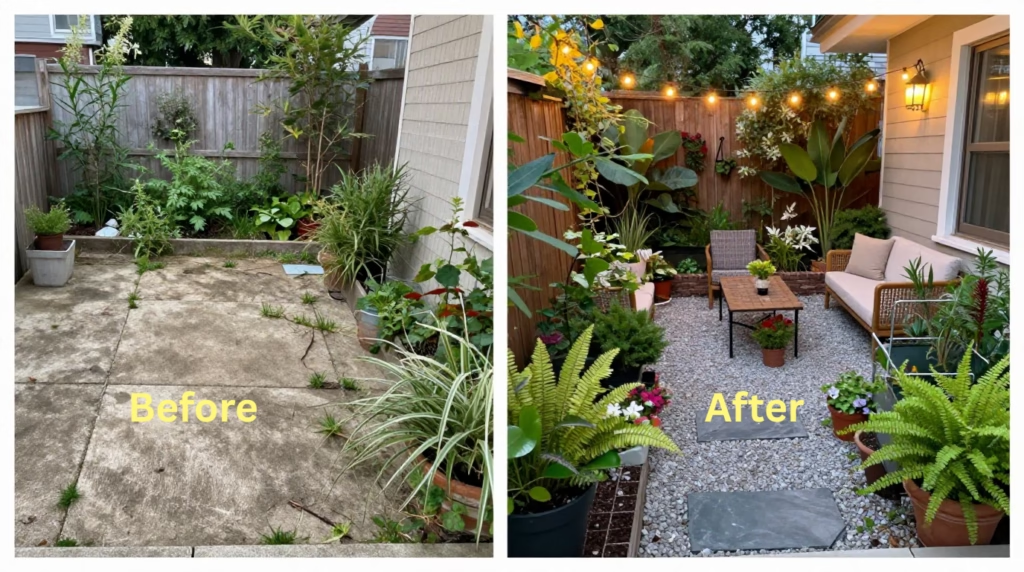
I’ve compiled 17 ideas that work well in small gardens, like terraced yards, narrow passages, shaded patches, and concrete areas. Each one is simple enough to implement this weekend.
Why do small gardens actually cost less to get right?
Small gardens cost less because every element serves multiple purposes in a limited space. A single good planter priced at £25 has a greater visual impact in a 4m² yard than it would in a larger garden.
A 2023 survey by the Royal Horticultural Society found that over 60% of UK households have gardens smaller than 50m², and most people spend under £200 annually on garden improvements. This isn’t a limitation; it shows that a budget-friendly approach works.
The important thing is to choose the right materials, plants, and layout for your specific space.
What are the best small garden ideas on a budget?
1. Raised beds from reclaimed wood
Raised beds allow you to control soil quality, improve drainage, and grow almost anything in a small area. You don’t need to buy a kit.
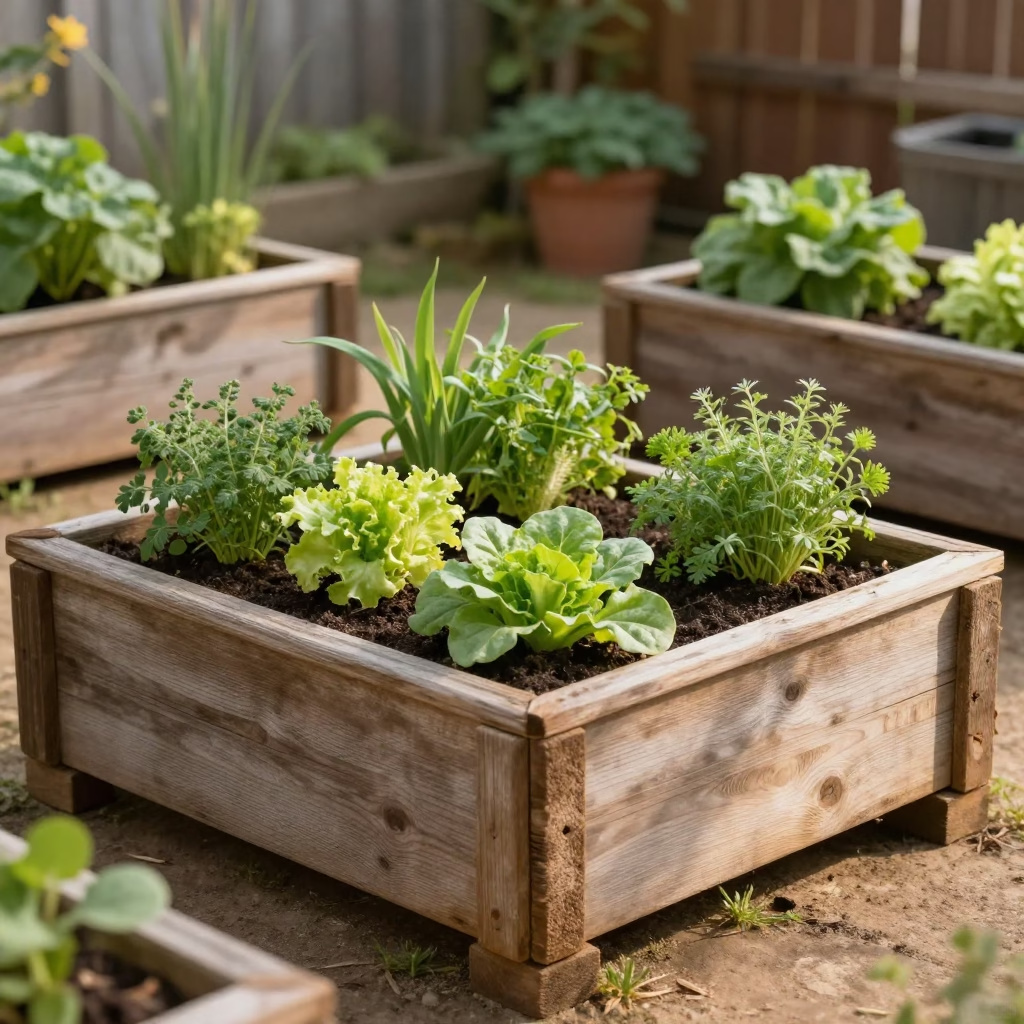
Find scaffold boards at a local reclamation yard for about £5 to £10 each. Three boards create a 1.2m x 0.9m bed. Line it with landscape fabric, fill it with a mix of compost and topsoil, and you’re set.
Cost: approximately £30 to £50 total for a complete raised bed.
2. Use vertical space with a trellis
Going vertical is the smartest way to save space in a small garden. A basic trellis panel costs £8 to £15 at most garden centers, and you can train climbing plants on it within a season.
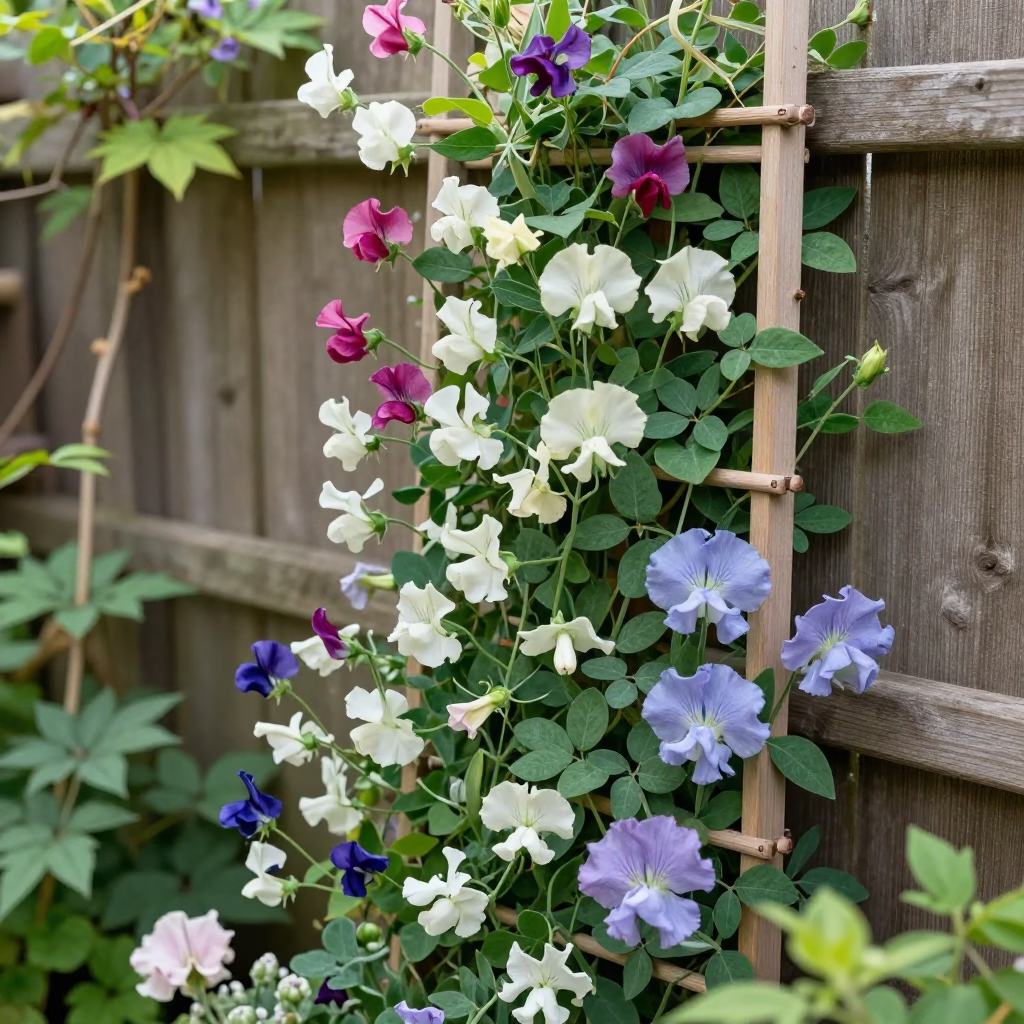
Good options for budget gardens include sweet peas (seeds under £3); nasturtiums (which self-seed after the first year); and clematis varieties like ‘Polish Spirit’ or ‘Comtesse de Bouchaud,’ both available for under £12 at most nurseries.
3. Gravel as a low-cost ground covering
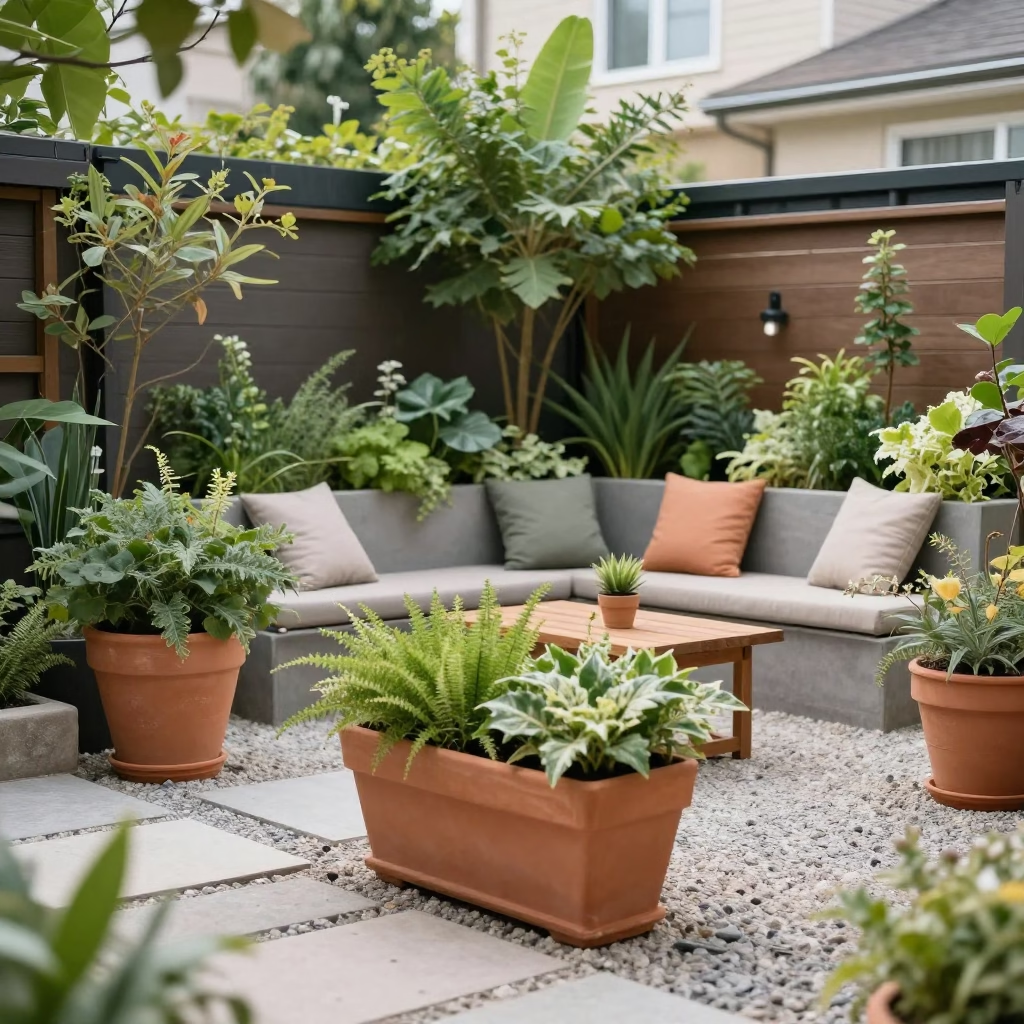
Loose gravel costs about £3 to £6 per 25kg bag. For a 4m² area, you’ll need 5 to 6 bags. First, lay down a weed-suppressing membrane (around £8 to £12 for a small roll), add the gravel, and you’ll have a neat, low-maintenance base.
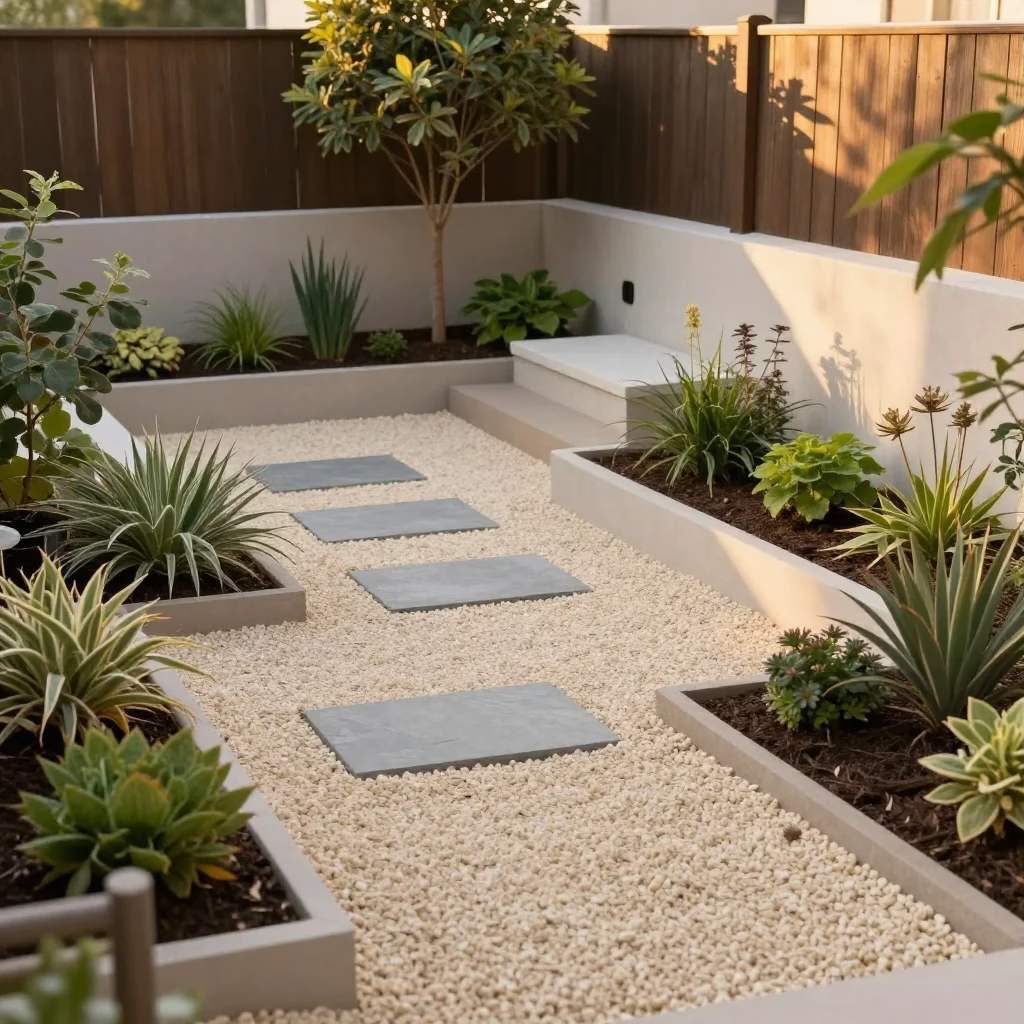
Pea shingle and cream gravel are currently popular — Pinterest searches for “gravel garden” have risen over 40% year on year since 2021, according to Pinterest Trends data.
4. Pallets as planters, benches, or shelving
Wooden pallets are often free from local businesses, builders’ merchants, or Facebook Marketplace. Lightly sand them, add a coat of exterior paint or wood stain (costing about £6 to £10), and you’ll turn them into a planter wall, bench base, or potting shelf.
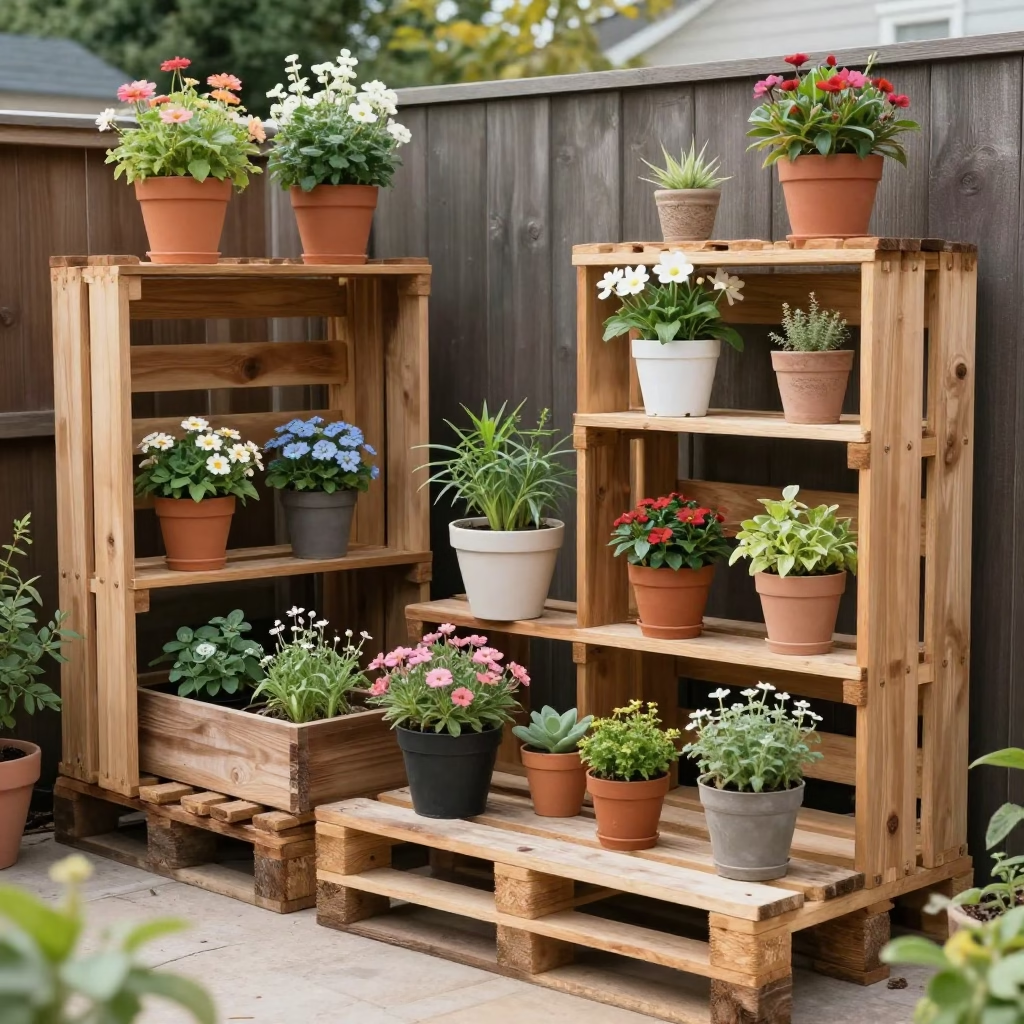
Make sure any pallet you use is stamped with “HT” (heat-treated) instead of “MB” (methyl bromide)—MB pallets are treated with chemicals and not suitable for growing food.
5. Buy plants in autumn for next year
Nurseries heavily discount plants in late August and September. I’ve found hostas for £1.50, ornamental grasses for £2, and established shrubs for £4 to £6 that would typically cost £15 to £18 in spring.
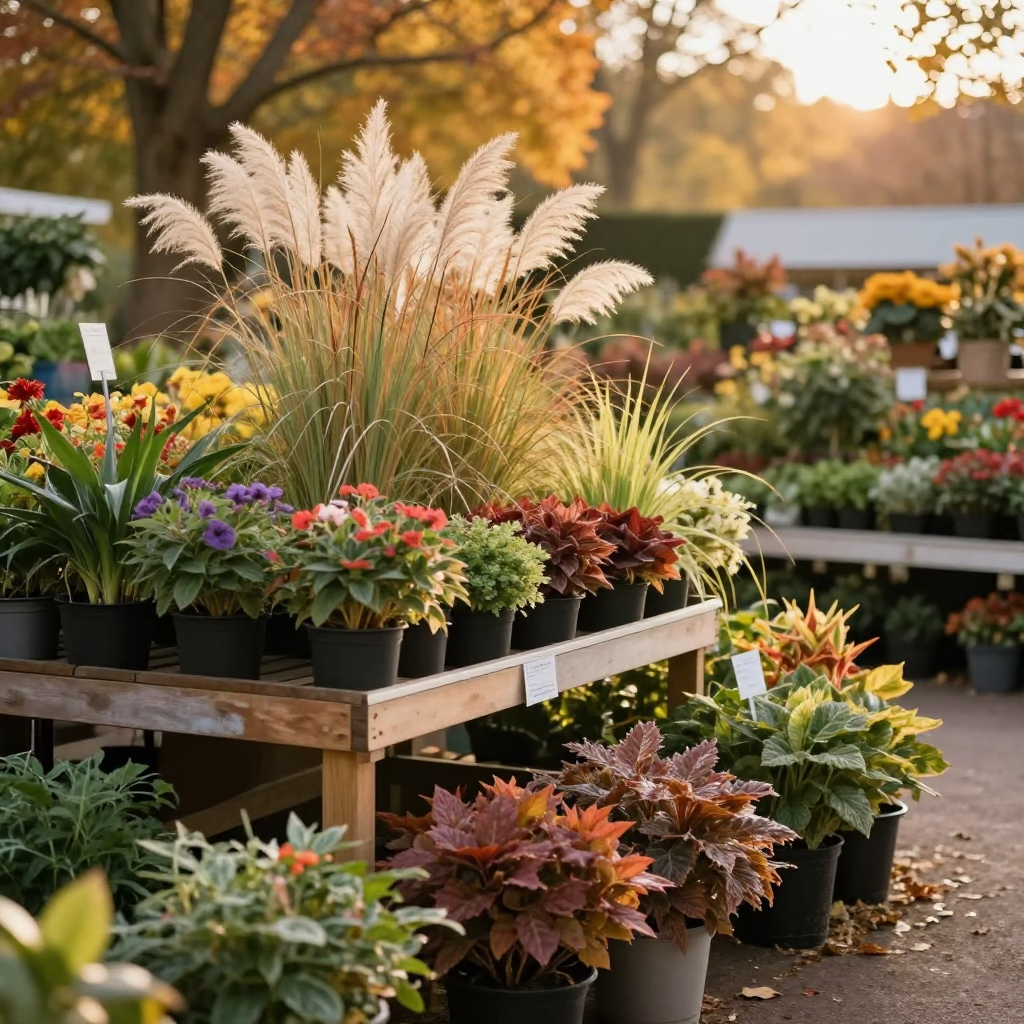
Buy them, pot them up, and keep them watered over the winter, and you’ll have a head start come spring for nearly nothing.
How do you make a small garden look bigger?
6. Paint the fence a dark color
Dark fence paint — such as charcoal grey, forest green, or deep navy — makes the boundary less noticeable. The garden looks deeper.
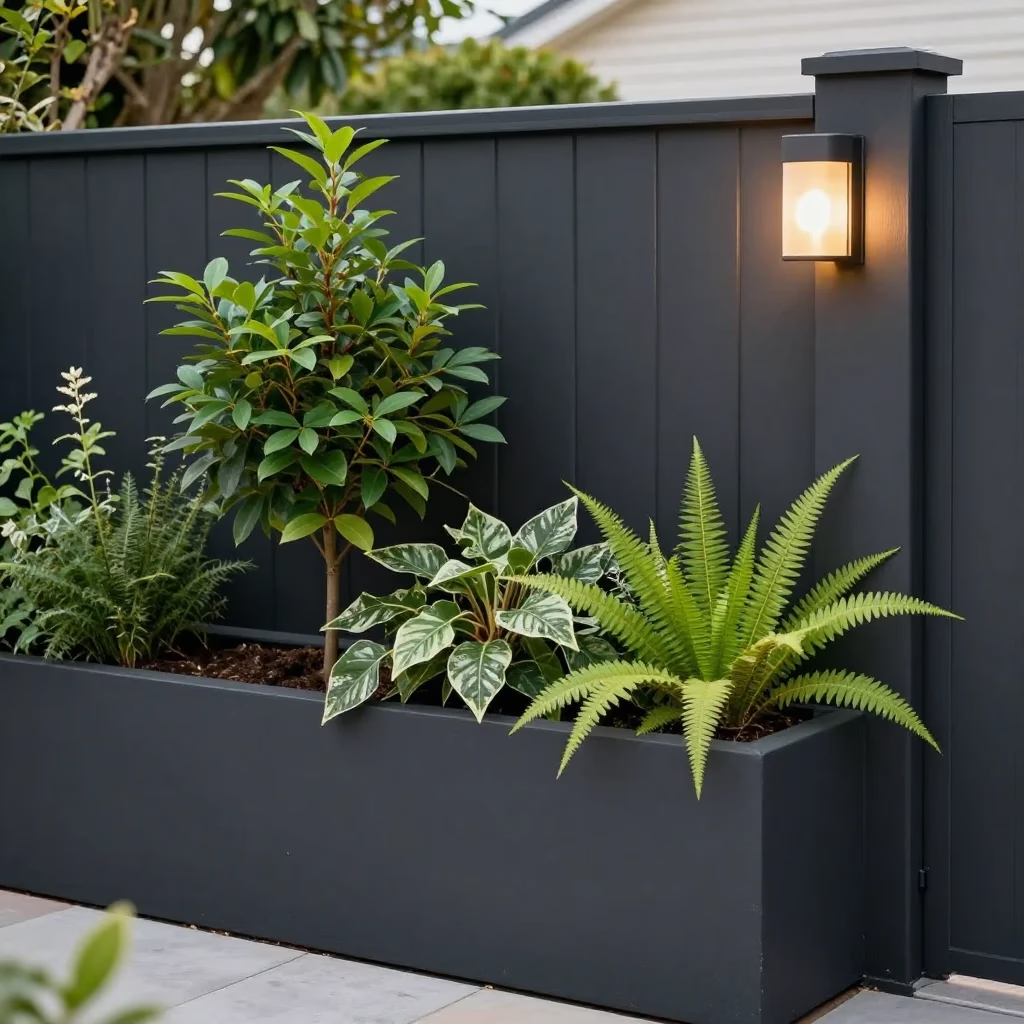
Ronseal Garden Colour Paint in ‘Charcoal’ costs around £12 for 750ml and covers about 10m². Most small garden fences need two coats.
7. Place a focal point at the far end
Set something interesting—a pot, a small statue, or a bright plant—at the furthest point from your door. Your attention will go to it, and the garden will feel larger than it is.
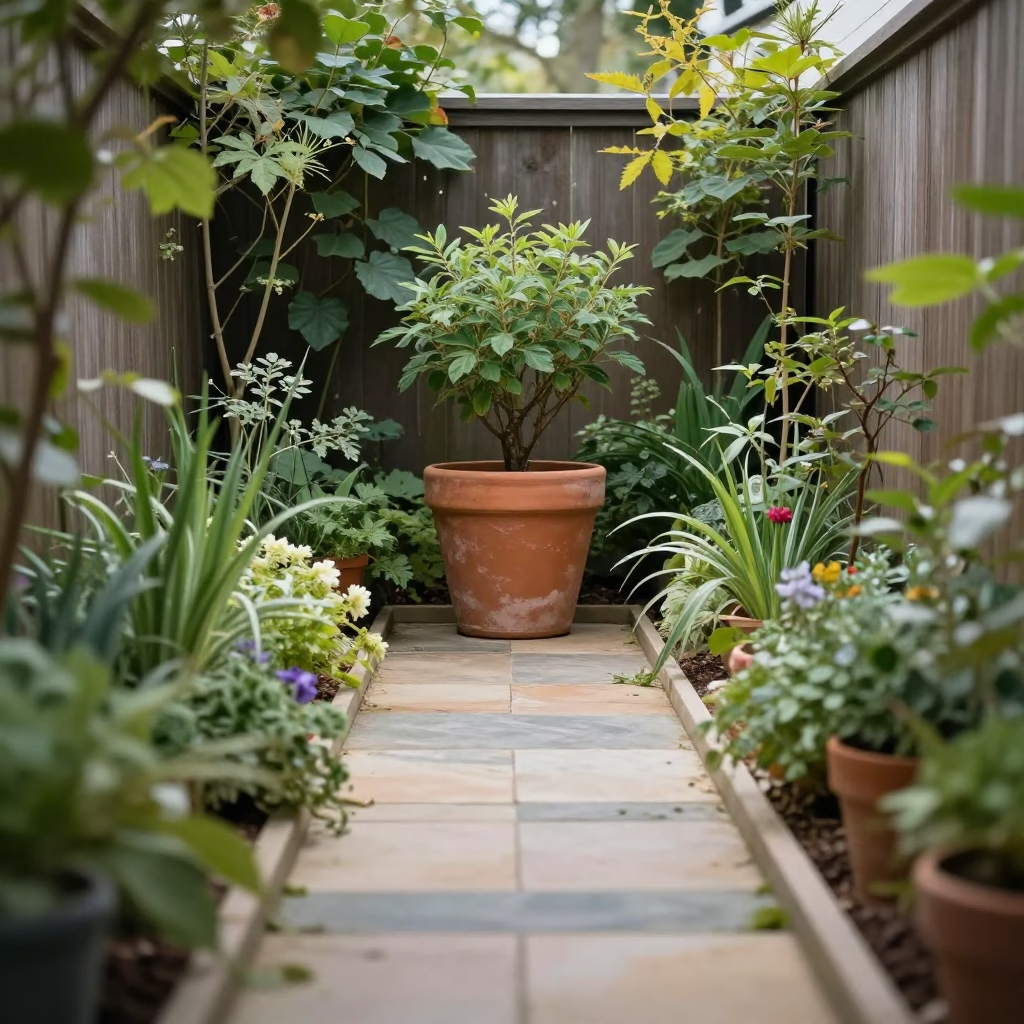
A terracotta pot (£8 to £15), planted with a single architectural plant like a cordyline or phormium, works well.
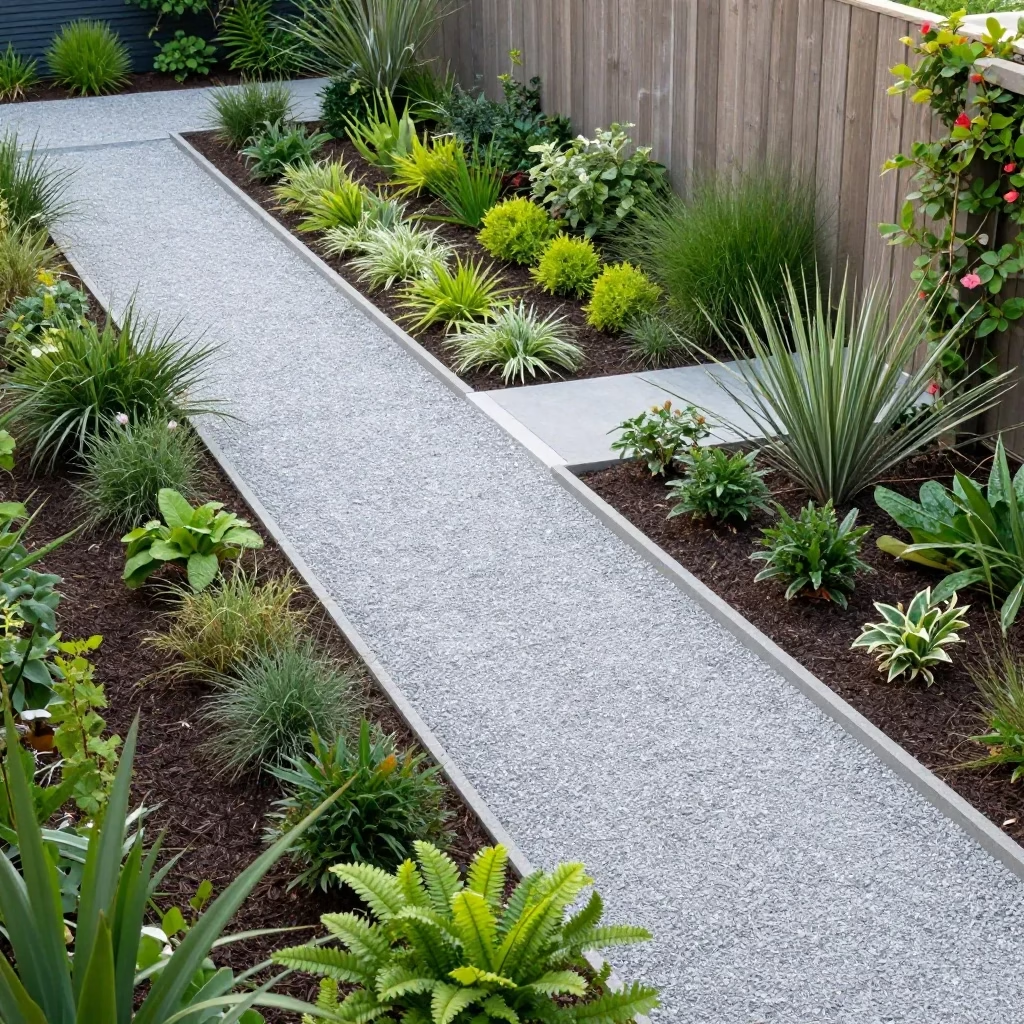
8. Use diagonal planting lines
Diagonal paths and beds make a rectangular garden feel wider. Instead of running a path straight down the center, angle it from corner to corner. This simple change costs nothing and creates a noticeable visual difference.
9. Mirror or metallic surface near the boundary
An outdoor mirror reflects light, creating the illusion of a deeper garden. Wilko and IKEA sell weatherproof mirrors in the £15 to £30 range. Attach one to a fence panel and watch the space seem to expand.
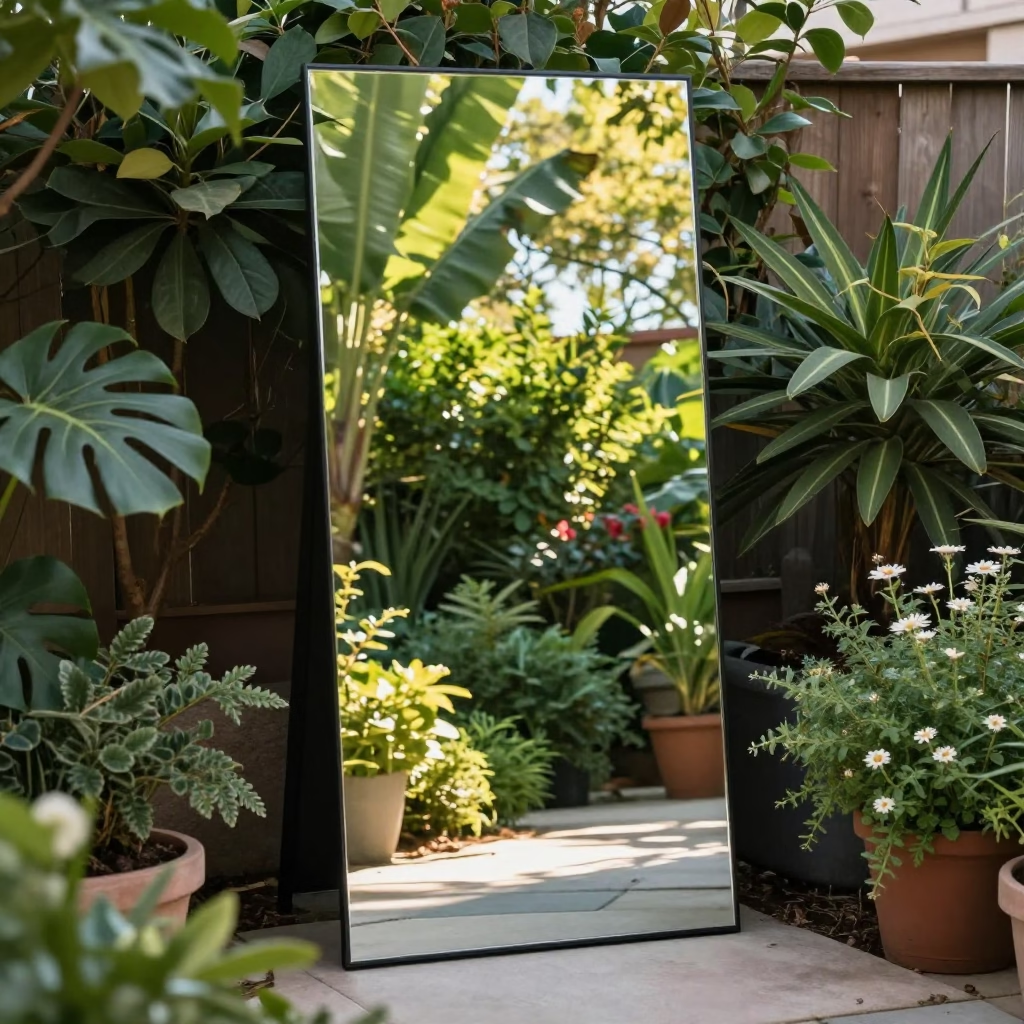
This is one of the quickest ways to enhance a small garden — it takes about 20 minutes to install and costs under £25.
What cheap plants work best in small gardens?
10. Ferns for shade
Ferns are some of the most affordable plants for tricky spots. Dryopteris felix-mas (male fern) and Polystichum setiferum (soft shield fern) cost £3 to £6 each and thrive in shade without extra watering once established.
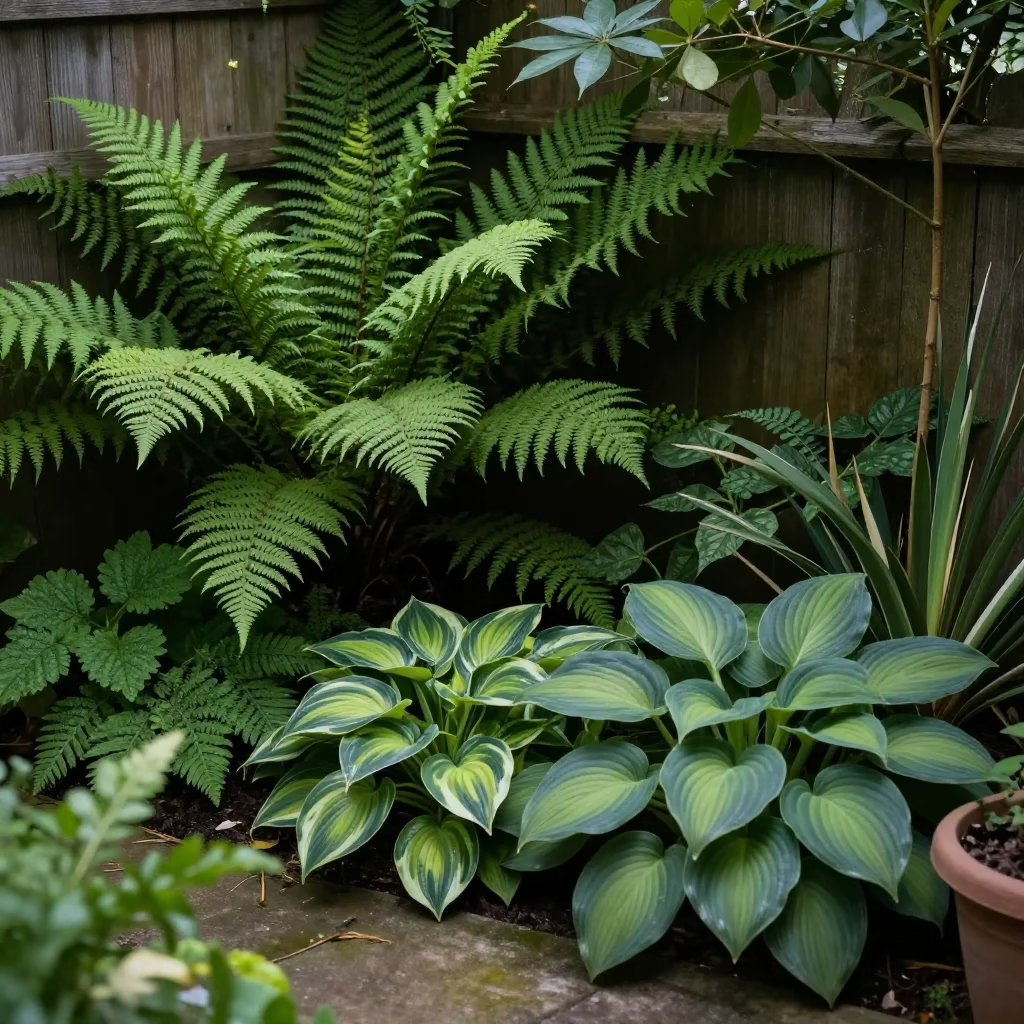
The RHS gives both an Award of Garden Merit, a reliable indicator of their resilience in UK conditions, and a Certificate of Merit.
11. Lavender for the sun
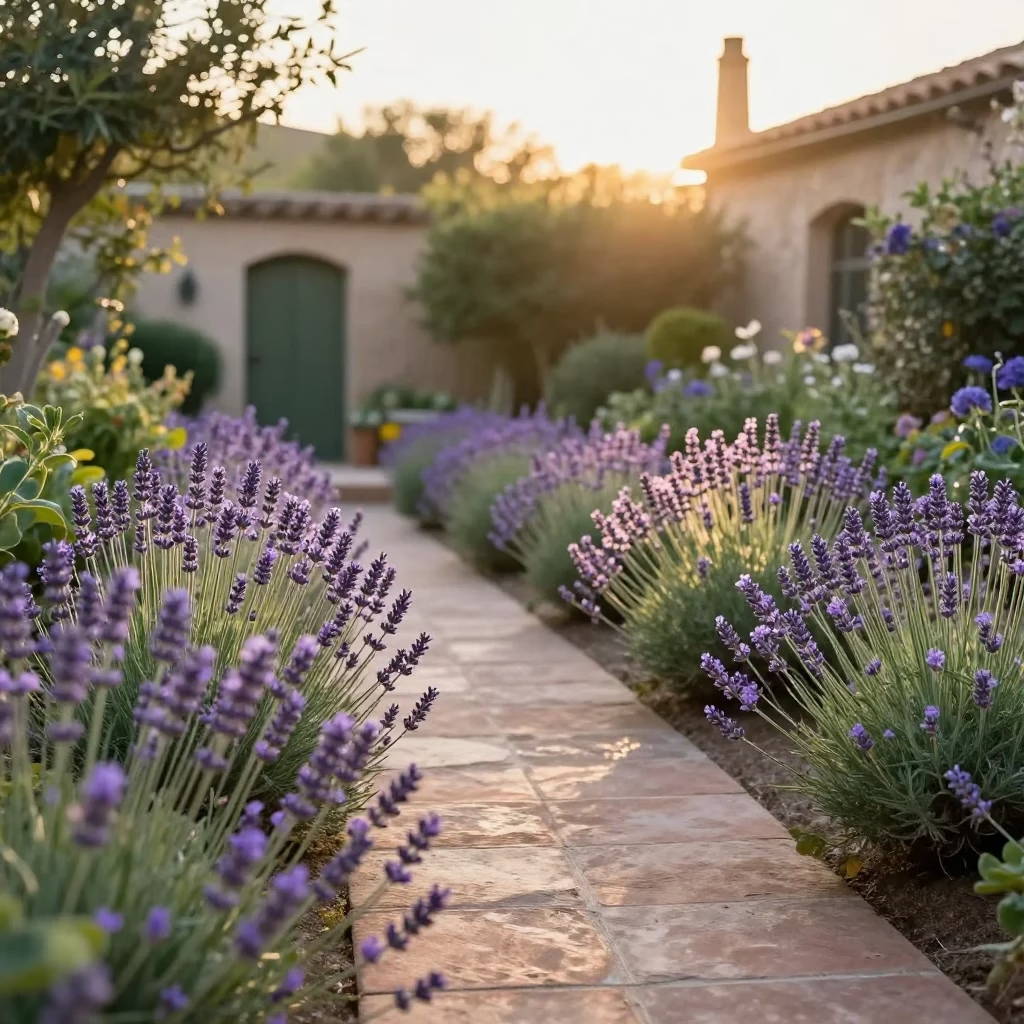
Lavender (Lavandula angustifolia) costs £2 to £4 per plant at most supermarkets starting in April. It’s drought-tolerant, easy to care for, attracts pollinators, and smells wonderful. Plant it along a path edge, and it’ll spread over 2 to 3 seasons.
12. Hardy geraniums as ground cover
Hardy geraniums (not pelargoniums) cost £3 to £5 and spread reliably in sun or partial shade. Varieties like ‘Rozanne’ and ‘Johnson’s Blue’ bloom from May to October.
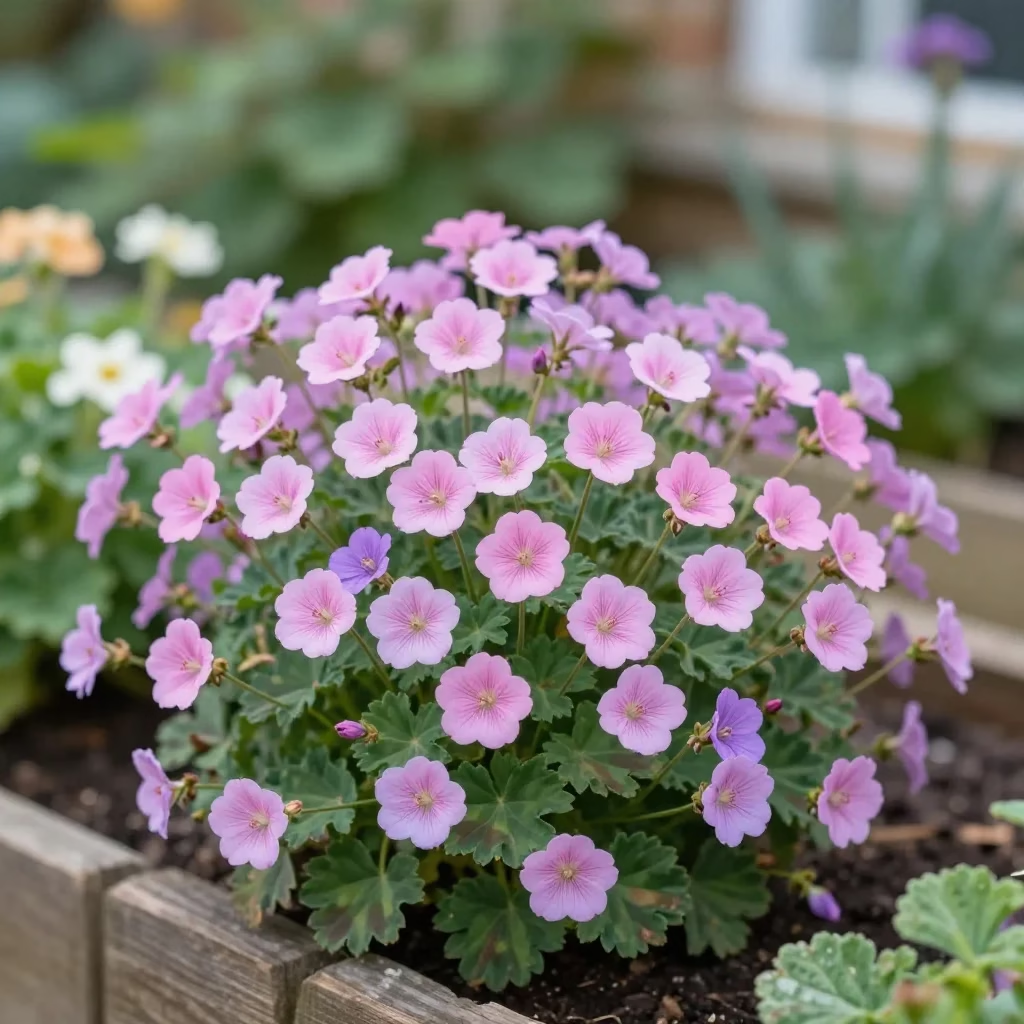
The RHS recommends ‘Rozanne’ as one of the longest-flowering perennials in the UK, with blooms lasting up to 6 months in a season. Source: RHS — Geranium ‘Rozanne’
13. Grow from seed to cut costs by 80%
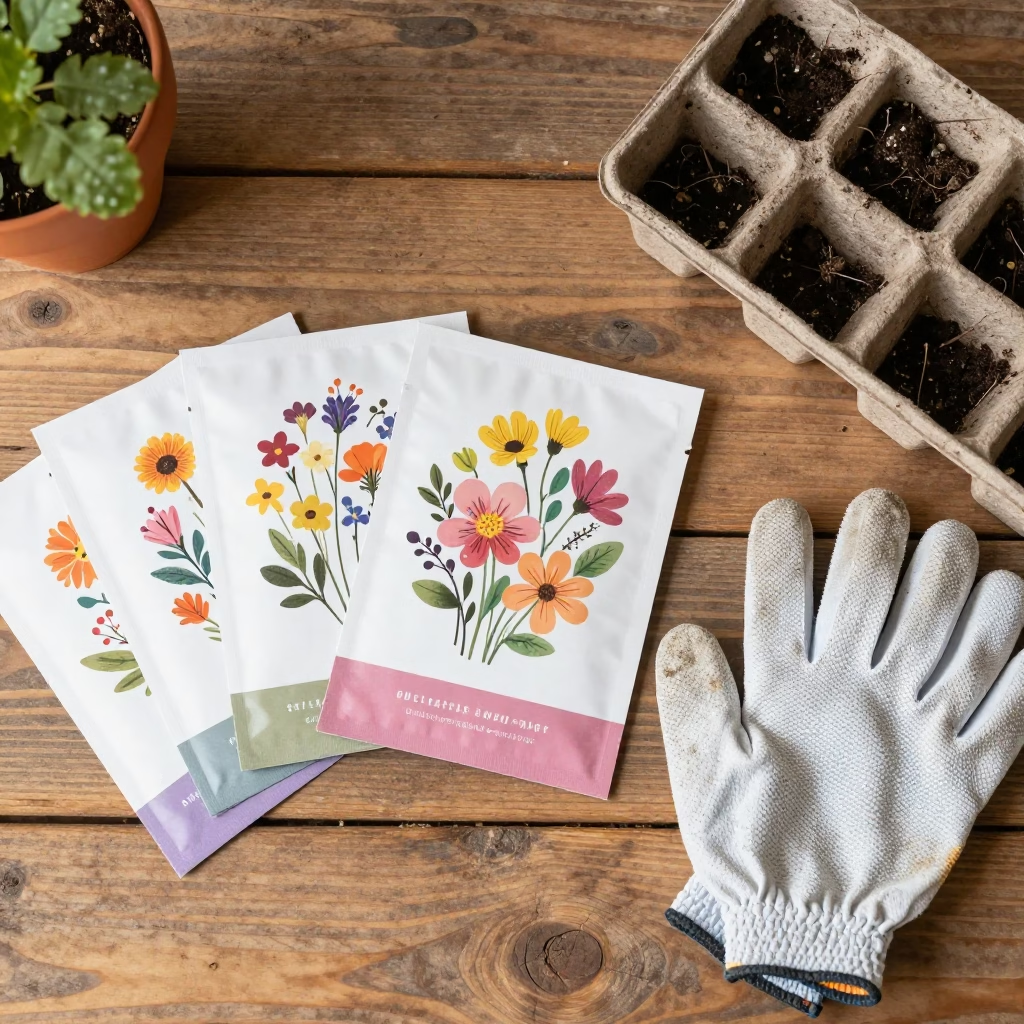
A seed packet of cosmos costs about £2.50 and provides 30 to 40 plants. The same plants would cost £2.50 to £4 each in a garden center. For annuals—cosmos, marigolds, sweet peas, and nasturtiums—seeds are always the cheaper option.
How can you add structure to a budget garden?
14. Railway sleepers as edging or steps
New oak railway sleepers cost £25 to £45 each, depending on size and supplier. They can serve as path edging, low retaining walls, or informal steps. One sleeper along a border can instantly give a garden a clean, structured appearance.
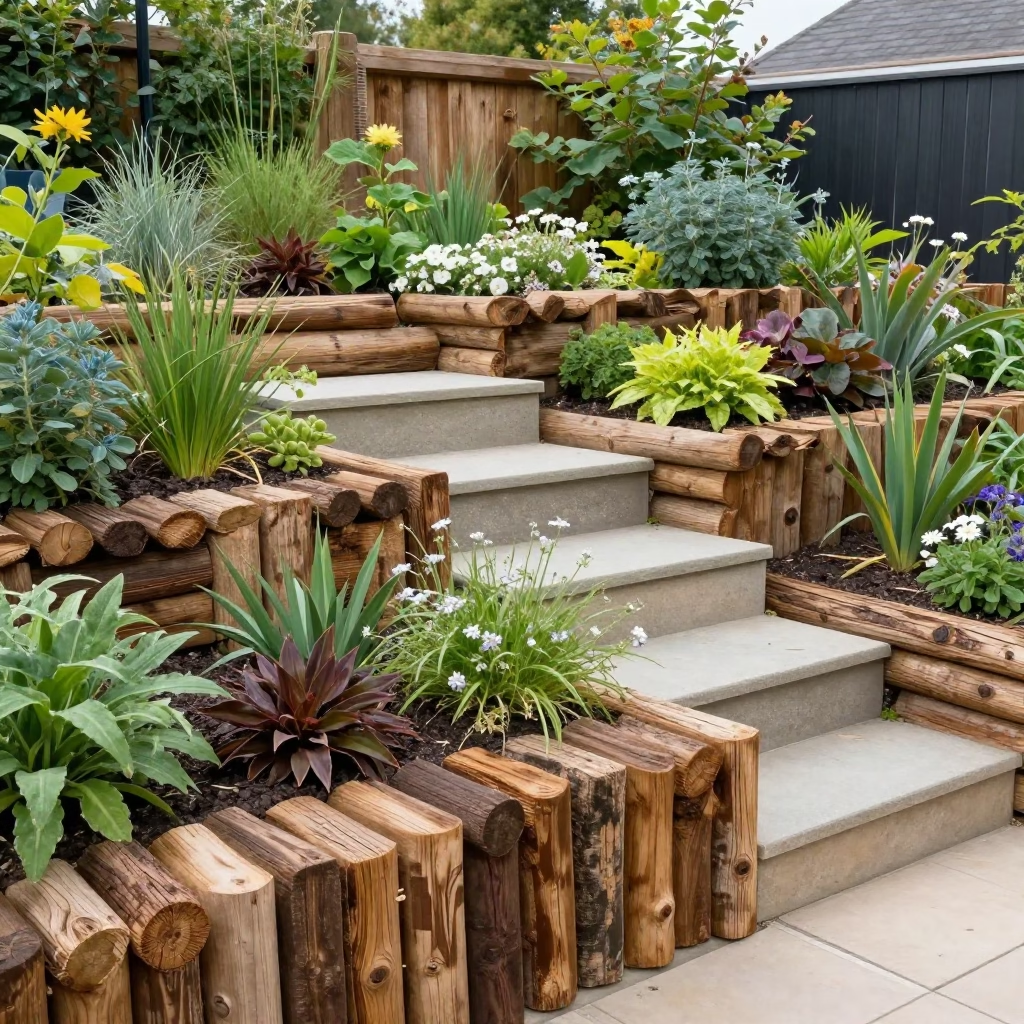
Buy from local reclamation yards or Gumtree for 30 to 50% less than garden centers.
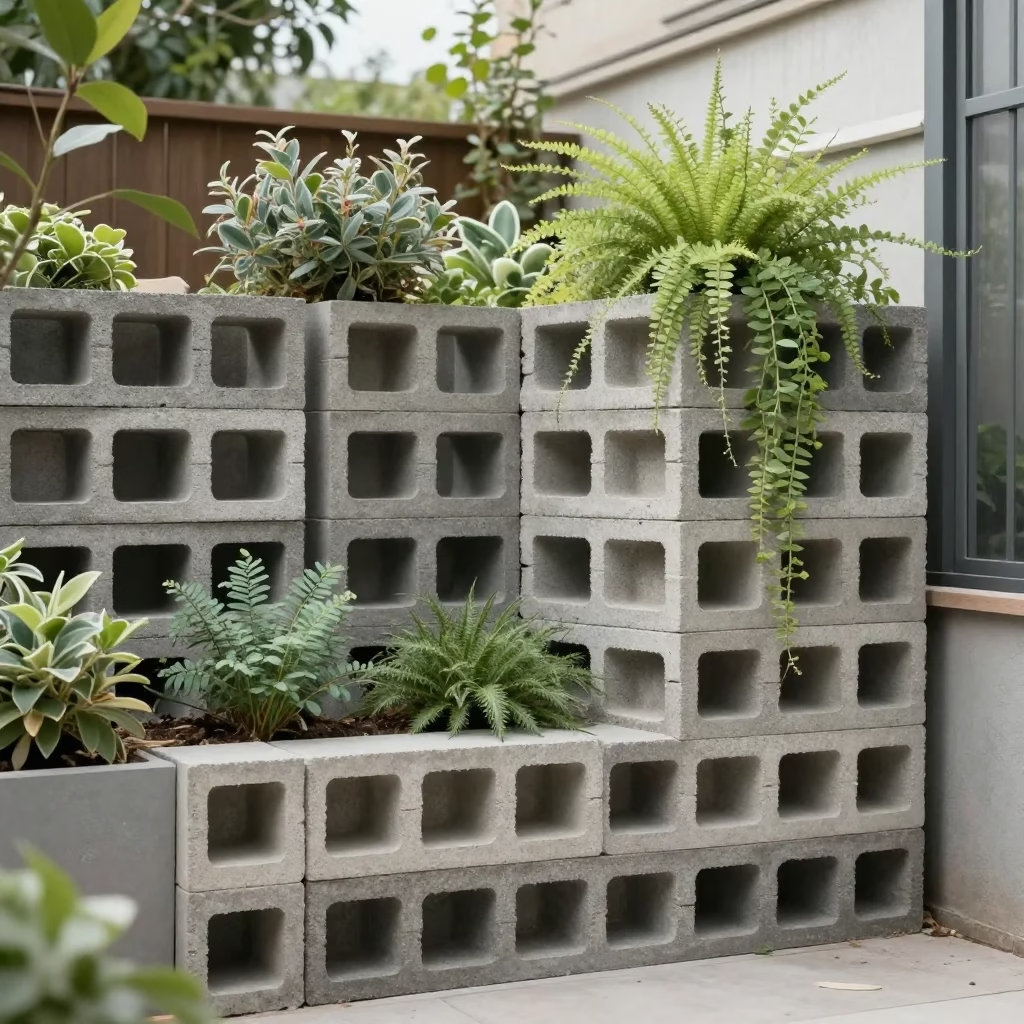
15. Concrete blocks stacked as a low wall
Standard concrete building blocks cost about £2 to £3 each. Stack 2 to 3 rows high along a border without fixing them (you can rearrange them later) and top with trailing plants or succulents. It’s a straightforward, affordable look that works.
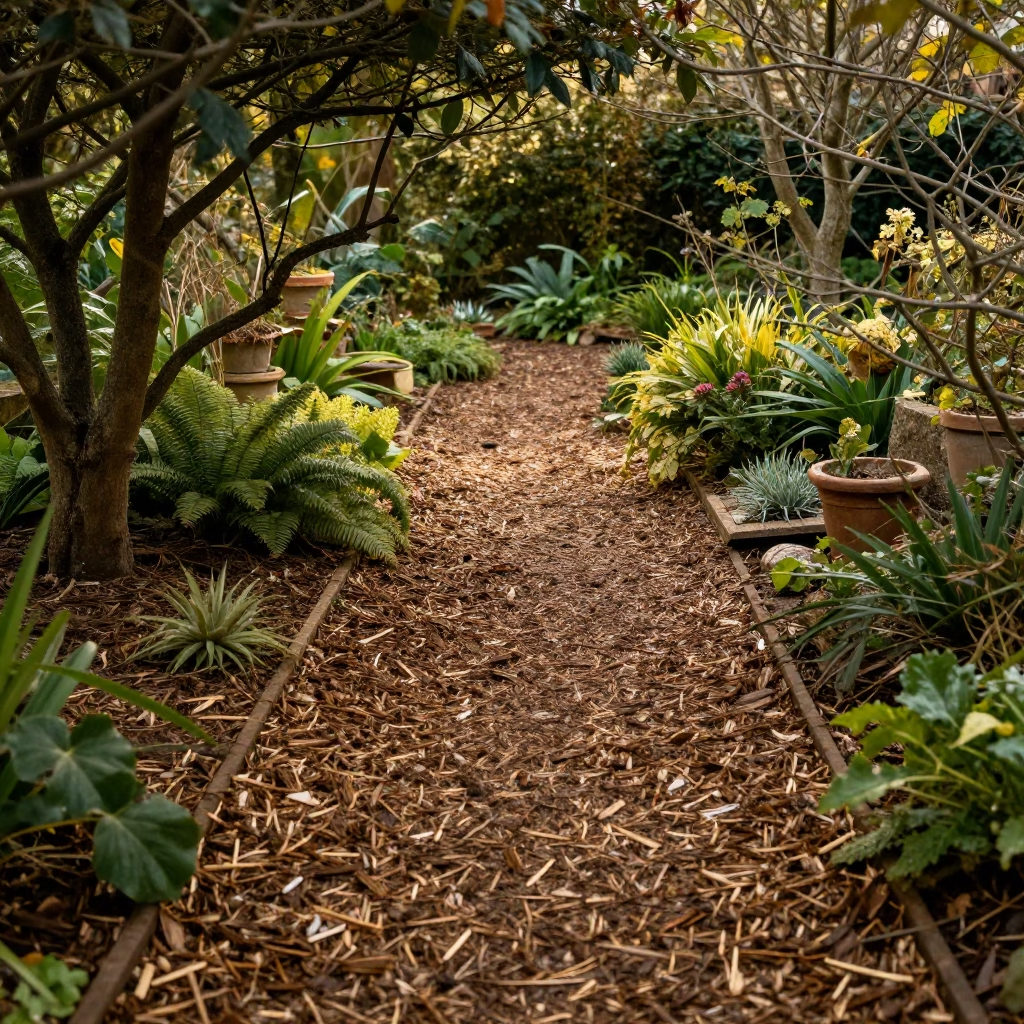
16. Bark chipping under trees and along paths
Bark chipping costs around £5 to £8 per bag for 60 liters. It suppresses weeds and retains moisture, which can reduce watering by 25% in summer, according to the RHS. Source: RHS — Mulching
Two to three bags cover most small garden paths or tree circles.
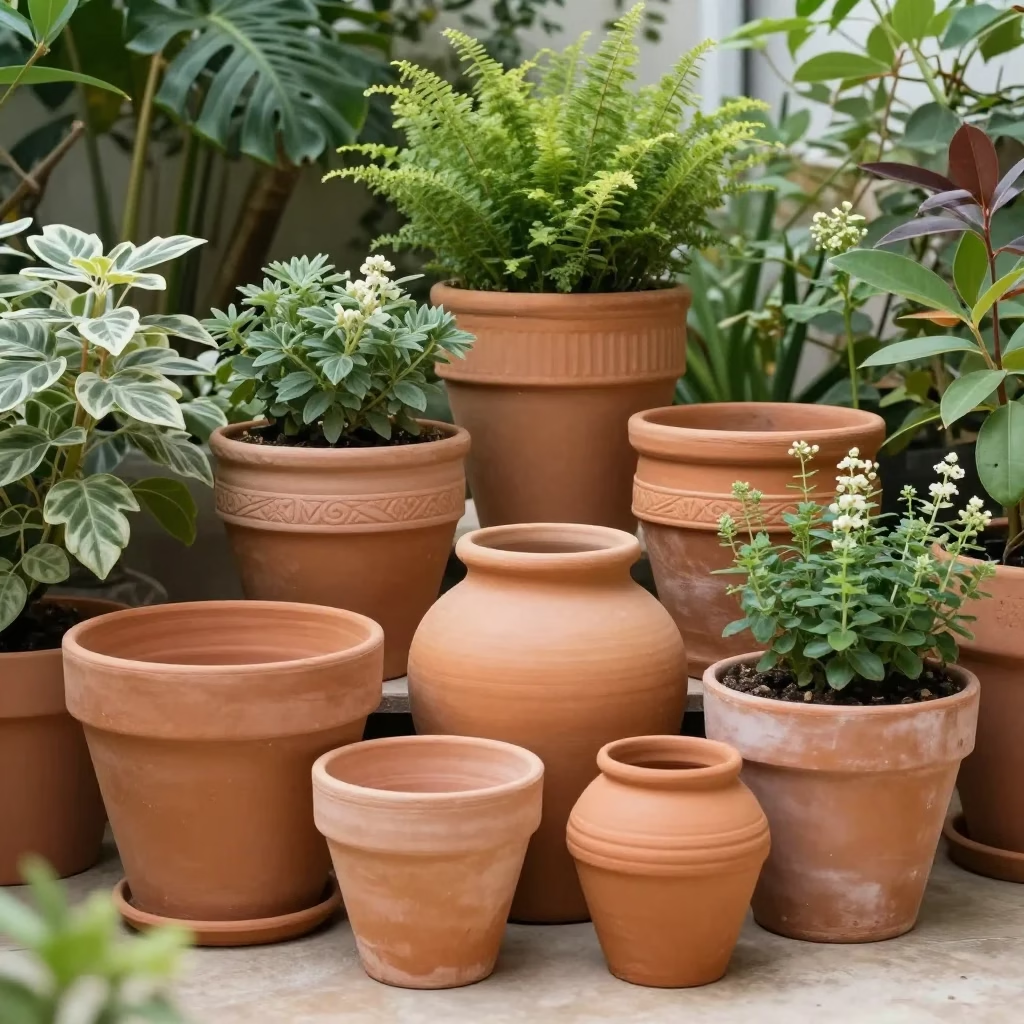
17. Repot and cluster existing containers
If you have pots already, group them together in odd numbers—like 3 or 5. This arrangement creates visual weight and covers bare soil. Vary the heights: place a tall plant in the center or back, with shorter plants in front.
This requires no extra cost if you already own the pots; just rearranging is all that’s needed.
What lighting makes a small garden feel special at night?
Solar fairy lights cost £6 to £15 for a 10m string. Weave them through a trellis, along a fence panel, or along a raised bed edge. There’s no wiring or electrician needed, and they have no running costs.
Solar spike lights range from £2 to £5 each and illuminate paths without cables. Six spikes along a 3m path will cost under £25 total and make the garden accessible after dark.
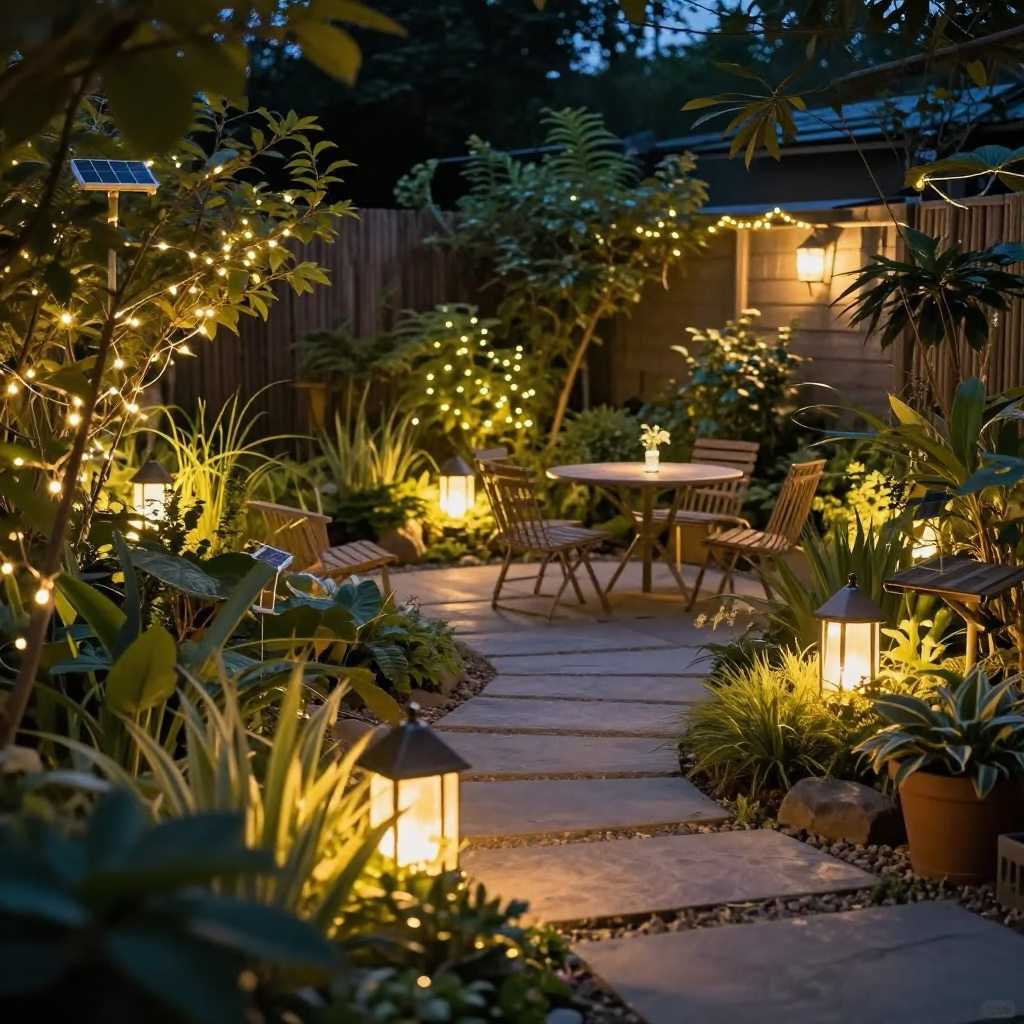
For a detailed guide on low-cost outdoor lighting, check our post on garden lighting ideas on a budget—it covers solar, string, and battery options across various garden styles.
How do you keep a low-maintenance budget garden?
Mulch every bed. A 7cm layer of bark chipping or garden compost cuts down weeding time by about 70% over a season.
Opt for perennials instead of annuals where possible. Perennials return each year, meaning you invest once and enjoy the benefits for 5 to over 10 years.
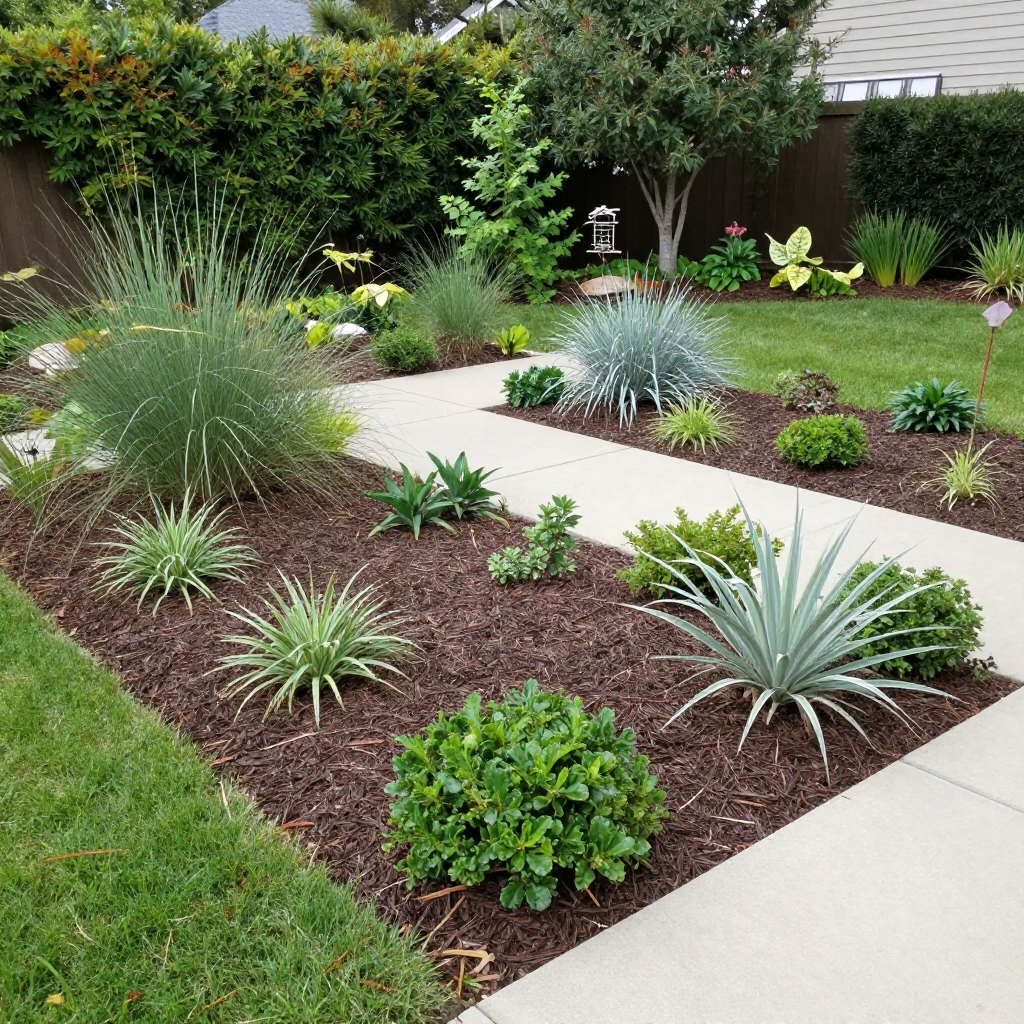
Water in the early morning to minimize evaporation and fungal issues. A basic watering can from a pound shop works just fine. Group plants with similar watering needs together. Drought-tolerant plants (like lavender, sedum, and grasses) can go in one area, while moisture-loving ones (like hostas and ferns) can be placed in another. This reduces the time spent managing water and keeps your plants healthier.
Related reading for your outdoor space
If you’re working with a container-only space, our post on outdoor plants for small spaces covers the best species by light level and pot size.
For budget-friendly patio inspiration, see cozy patio ideas on a budget — that post covers surface materials, furniture, and lighting for paved areas.
Useful YouTube resource
For visual inspiration on budget garden transformations, this channel covers real before-and-after small garden projects with itemized costs: YouTube — “Small Garden Big Ideas” by Gardeners’ World: https://www.youtube.com/@GardenersWorld
FAQ – Small Garden ideas on a budget
How much does it cost to do up a small garden on a budget?
A basic tidy-up with new plants, gravel, and a couple of pots costs £50 to £150. A more complete garden with raised beds, a trellis, and path edging typically runs £200 to £400 if you do the work yourself.
What is the cheapest way to cover bare soil in a garden?
Bark chipping is the cheapest reliable option, about £5 to £8 per 60L bag. It suppresses weeds, looks neat, and breaks down into compost over time.
Can I grow vegetables in a tiny garden?
Yes. A single 1.2m x 0.9m raised bed will grow enough salad, herbs, and cherry tomatoes to make a real difference to your weekly shop. Focus on cut-and-come-again crops like lettuce, spinach, kale, and herbs such as basil and parsley.
What plants need almost no maintenance in a small garden?
Sedums, hardy geraniums, lavender, ornamental grasses (especially Stipa tenuissima), and ferns are all low-maintenance once established. Most only need watering during the first season.
How do I make a small garden look neat without spending much?
Clean edges are the quickest fix. A half-moon edging iron costs £8 to £15 and makes each bed look ten times tidier. Follow this with a clear path, no weeds, and one consistent material for ground cover.
Conclusion
A small garden on a budget works when you invest in structure first—edges, paths, and one or two good containers—and spend the rest on plants. Cheap plants in a well-organized space always look better than expensive plants scattered in chaos.
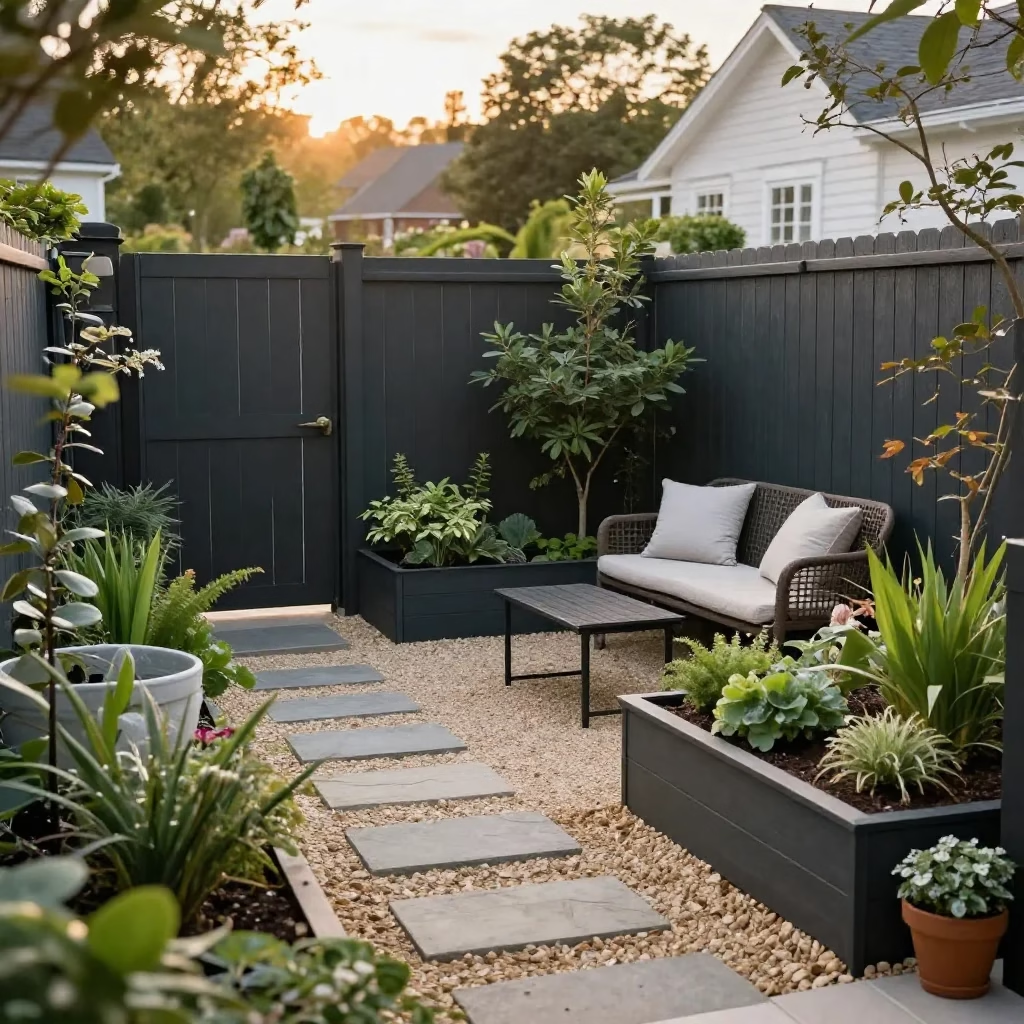
Start with one thing this week. Choose the trellis, the dark fence paint, or the autumn plant sale. Get one element right. Everything else gets easier from there.