
Table of Contents
INTRODUCTION
The right outdoor plants for small spaces can transform a bare balcony or concrete patio into a private garden, even if your entire outdoor area is as small as a dining table.
Most people who attempt this give up within the first six weeks. It’s not that they lack skills; they weren’t told that a sun-loving geranium on a north-facing balcony in partial shade is unlikely to survive, no matter how well it’s watered. This mismatch between plant needs and space is what leads to failure and dwindling motivation.
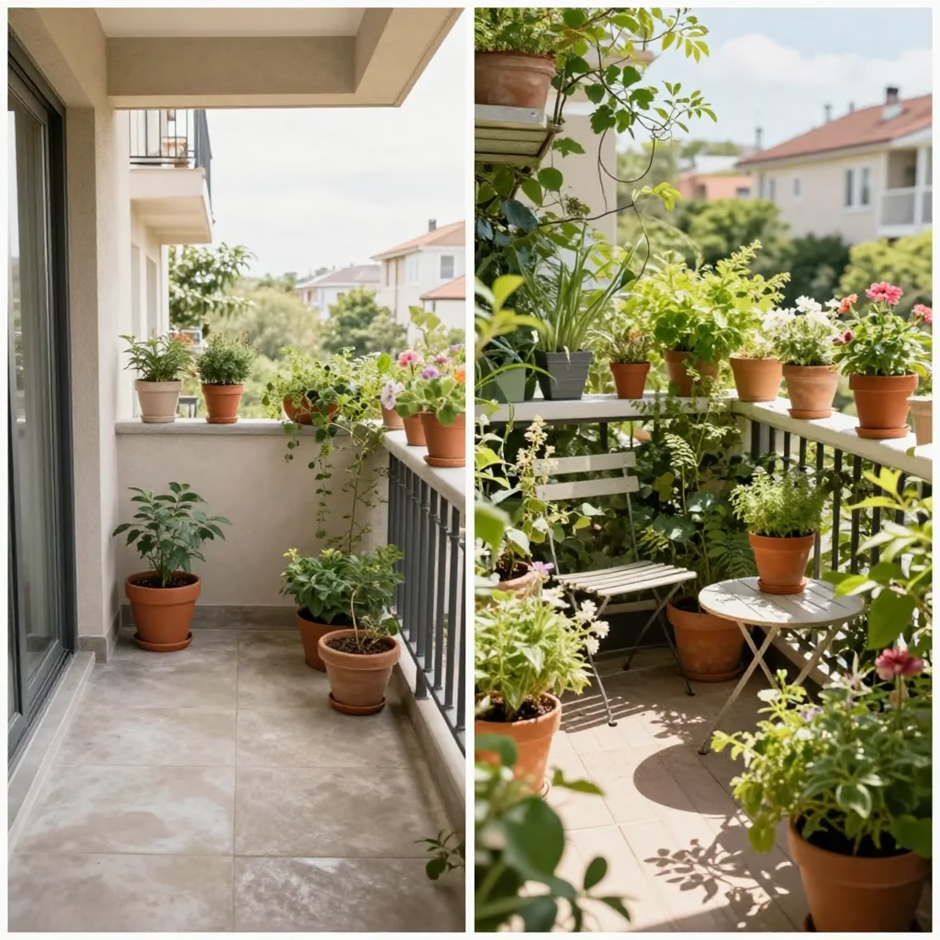
This guide provides 15 specific outdoor plants organised by their required conditions: sun, shade, wind, and water. You can choose plants that match your space instead of just what looks good at the garden centre. By the end, you’ll know which plants are right for your balcony, patio, or terrace and how to keep them healthy with minimal effort.
What Should You Know Before Choosing Outdoor Plants for Small Spaces?
Before buying any plants, consider three factors: light, wind, and weight limits.
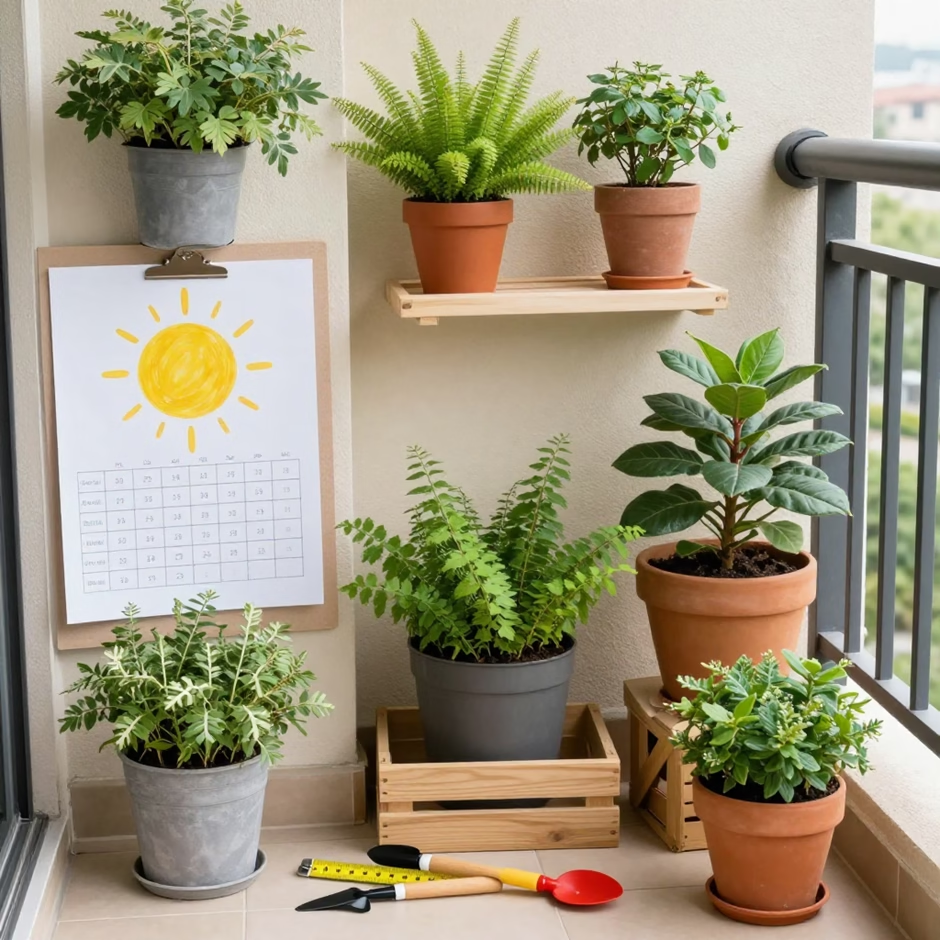
Light: Count the hours of direct sunlight your outdoor space receives on a typical summer day. Less than 3 hours means it’s in deep shade. 3–6 hours indicate partial shade or partial sun. More than 6 hours is full sun. Knowing this can help you avoid buying the wrong plants.
Wind: High-rise balconies above the 5th floor can experience winds that snap stems and quickly dry out soil. Plants sensitive to wind, like those with large leaves, tall stems, or delicate structures, may struggle. Compact, bushy, or low-growing plants manage wind much better.
Weight: Some balconies have weight limits, especially in older or rental buildings. Heavy terracotta pots filled with wet soil add up quickly. If you’re unsure, opt for lightweight fibreglass or plastic pots that imitate the look of terracotta without the extra weight. According to the Royal Horticultural Society, choosing the right container is crucial for successful balcony gardening. The right size prevents issues like waterlogging and quick drying.
Which Outdoor Plants Work Best in Full Sun Spaces?
1. Lavender
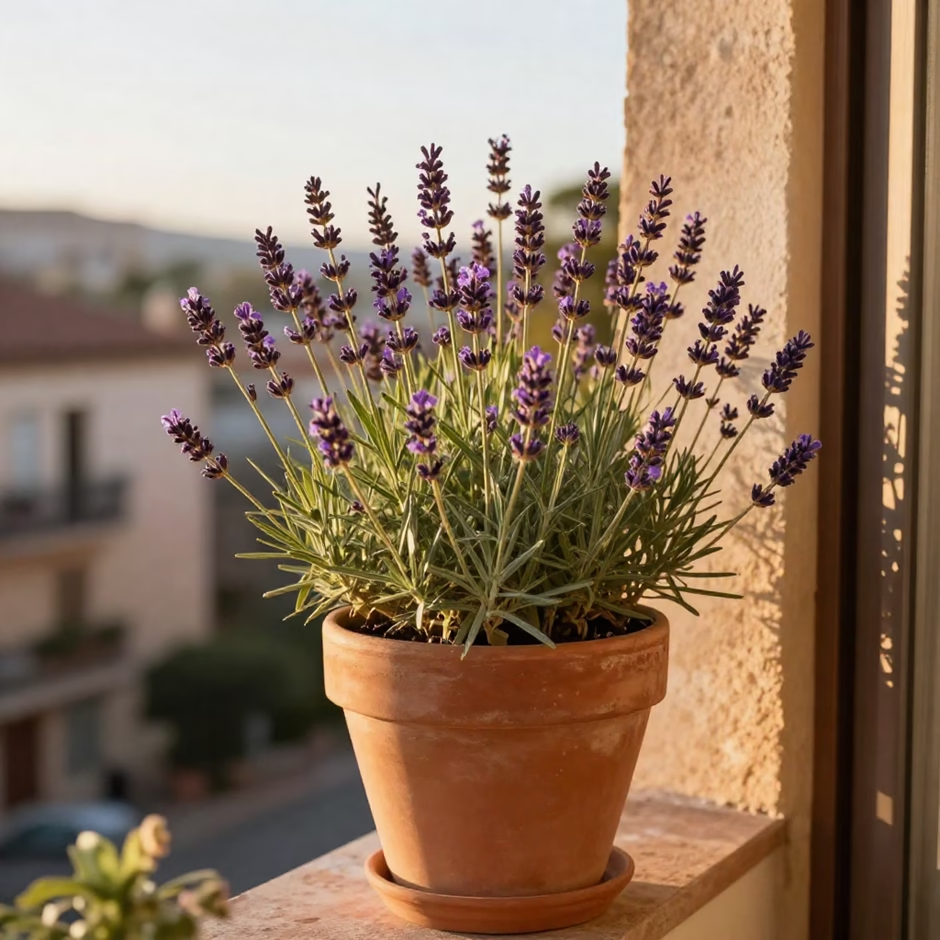
Lavender is the best full-sun container plant. It withstands drought, adds scent and colour from May to September, attracts pollinators, and requires little care other than good drainage.
Plant in terracotta pots with gritty compost to prevent root rot. Trim about one-third of the plant after flowering to maintain its bushy shape. One large lavender in a 30 cm pot can fill a small balcony with fragrance on a warm afternoon.
Top varieties for pots: Hidcote (compact, deep purple); Munstead (hardy, UK native); and Lavandula stoechas (French lavender with flashy flowers).
2. Geraniums (Pelargoniums)
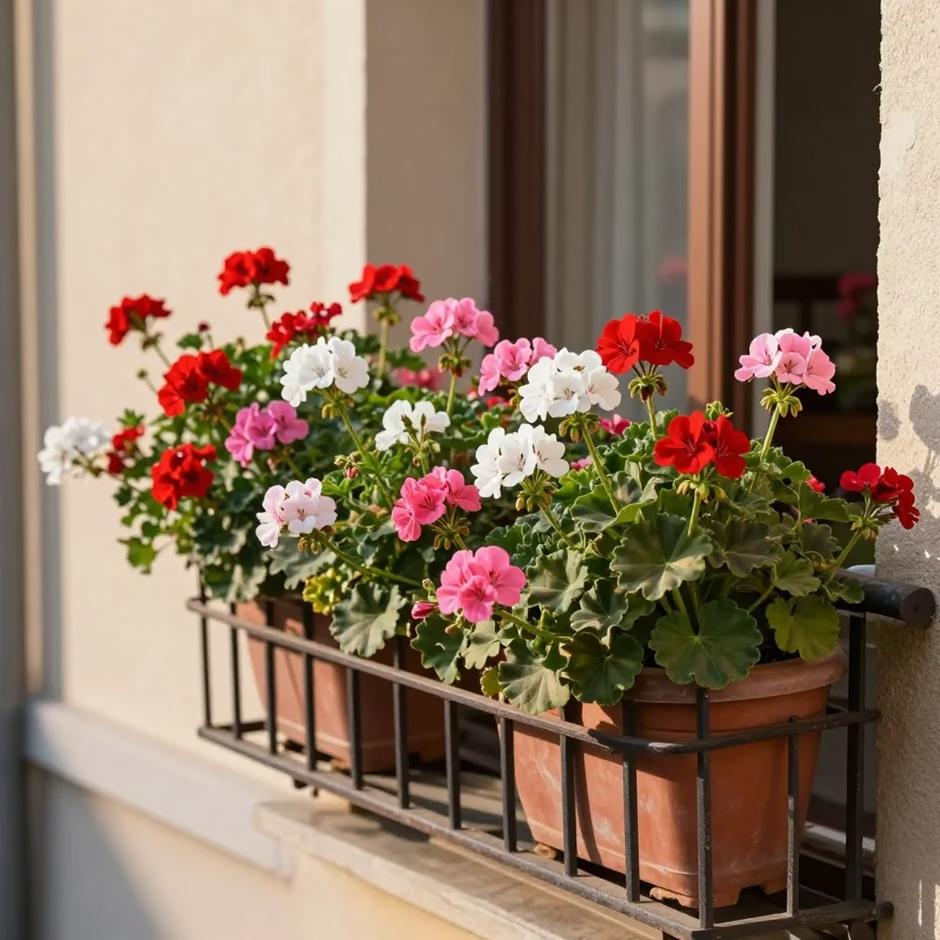
Pelargoniums are the backbone of balcony container planting. They bloom from May until the first frost, handle heat and dry spells well, and come in various colours like white, pink, red, and deep burgundy.
While they aren’t fully hardy in the UK and need to be brought indoors in winter, they provide more colour for your money than any other seasonal plant.
Regularly remove spent flowers to encourage more blooms. Plant one per 20 cm pot, keeping the soil moist but not soggy.
3. Herbs: Thyme, Rosemary, Oregano
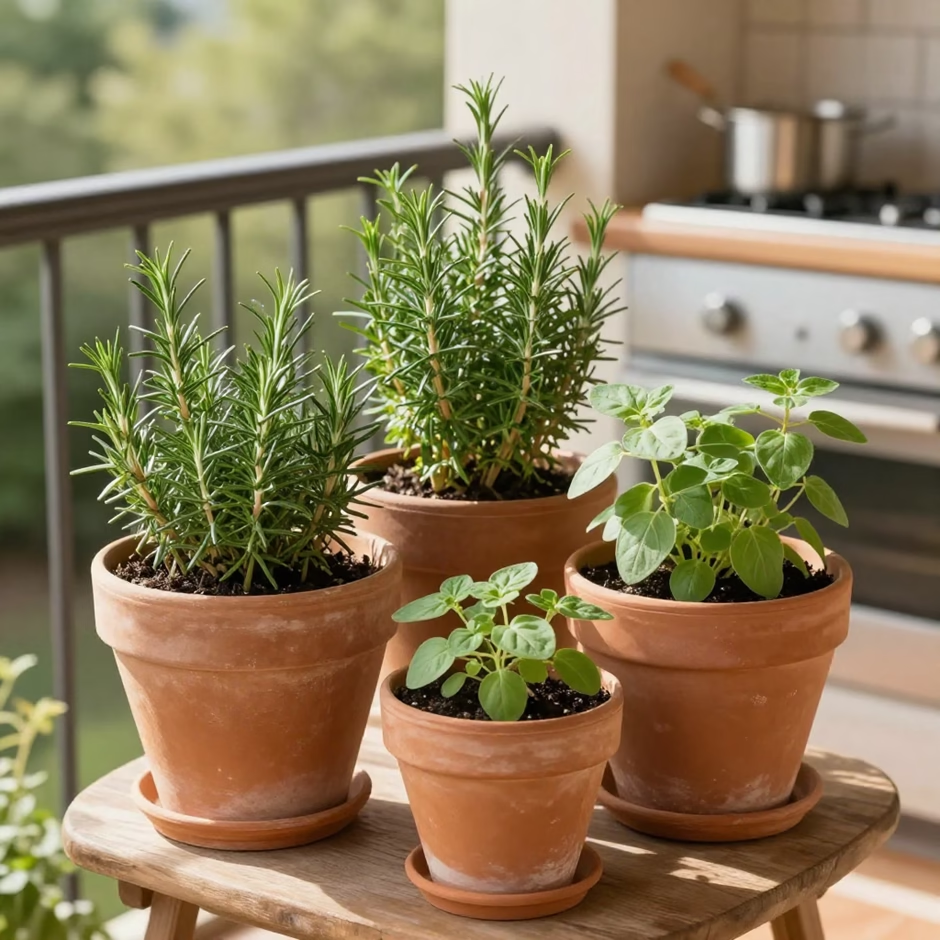
Hardy culinary herbs are excellent outdoor plants for small spaces because they look good and are edible.
Rosemary, thyme, and oregano thrive in full sun and well-drained soil, which is perfect for a hot south-facing balcony in summer. They resist pests and smell amazing in warm weather.
Group them in a shallow rectangular trough planter on a windowsill or railing for a compact herb garden that maximises space.
4. Nemesia
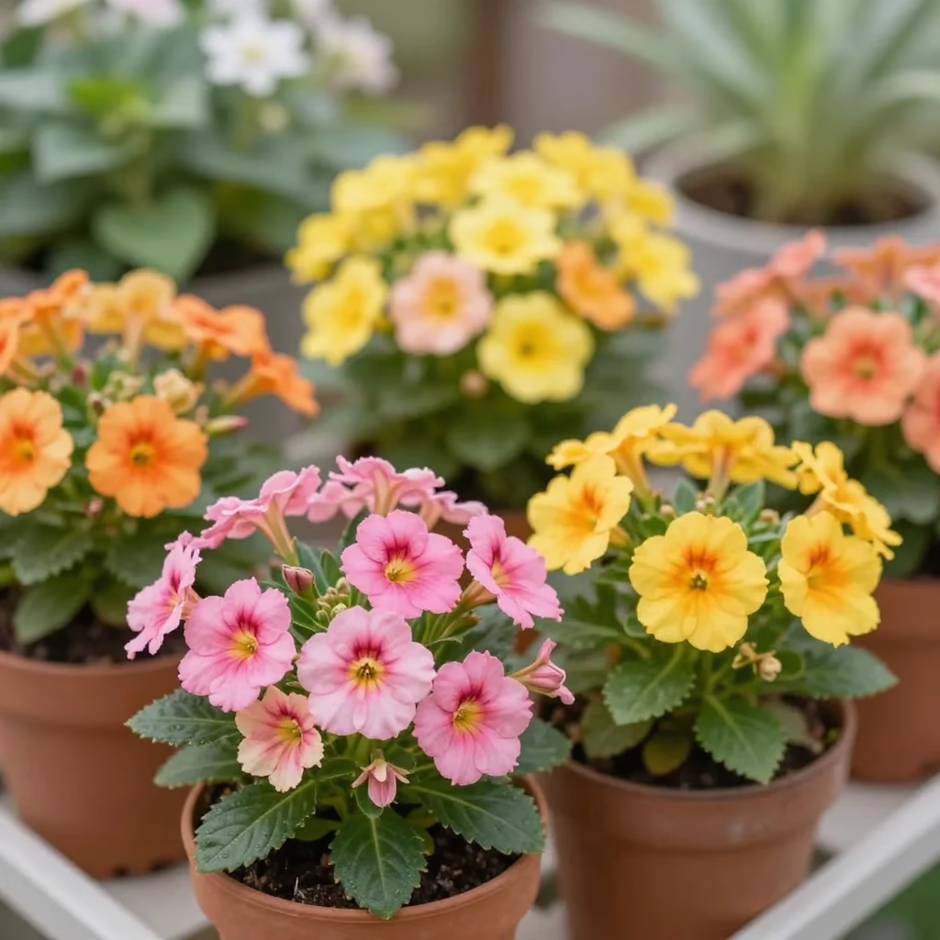
While less known than geraniums, nemesia is equally rewarding. It produces numerous small, colourful flowers in yellow, orange, pink, and purple during spring and early summer.
It prefers full sun and moderate watering. It looks great alone in a hanging basket or as filler in a container around a taller plant. Its cheerful flowering makes it a favourite for those seeking vibrant colours in small spaces.
5. Succulents and Sedum
For a low-maintenance full-sun balcony, succulents are a great option.
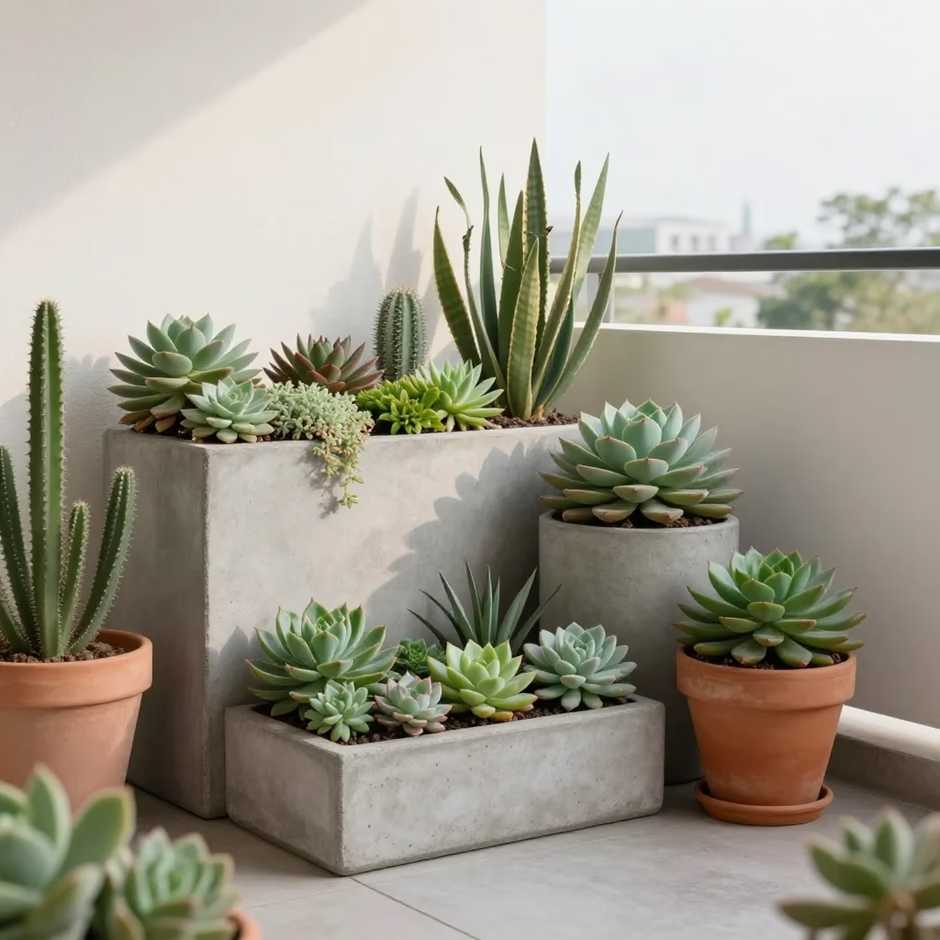
These plants store water in their leaves, tolerate weeks without care, and showcase a modern look in simple terracotta or concrete pots. They are ideal for frequent travellers or anyone wanting outdoor planting with little watering commitment.
Best choices for UK balconies include: Sedum spectabile (Autumn Joy, blooms in September, great for pollinators), Sempervivum (houseleeks, hardy, spreads slowly), and Echeveria for summer colour.
What Are the Best Outdoor Plants for Shady Balconies and Patios?
Shade doesn’t stop you from having beautiful outdoor plants; it just requires a different selection.
6. Ferns
Ferns are among the best shade-tolerant plants for small spaces. They have lush, architectural foliage and thrive in moist conditions without needing flowers.
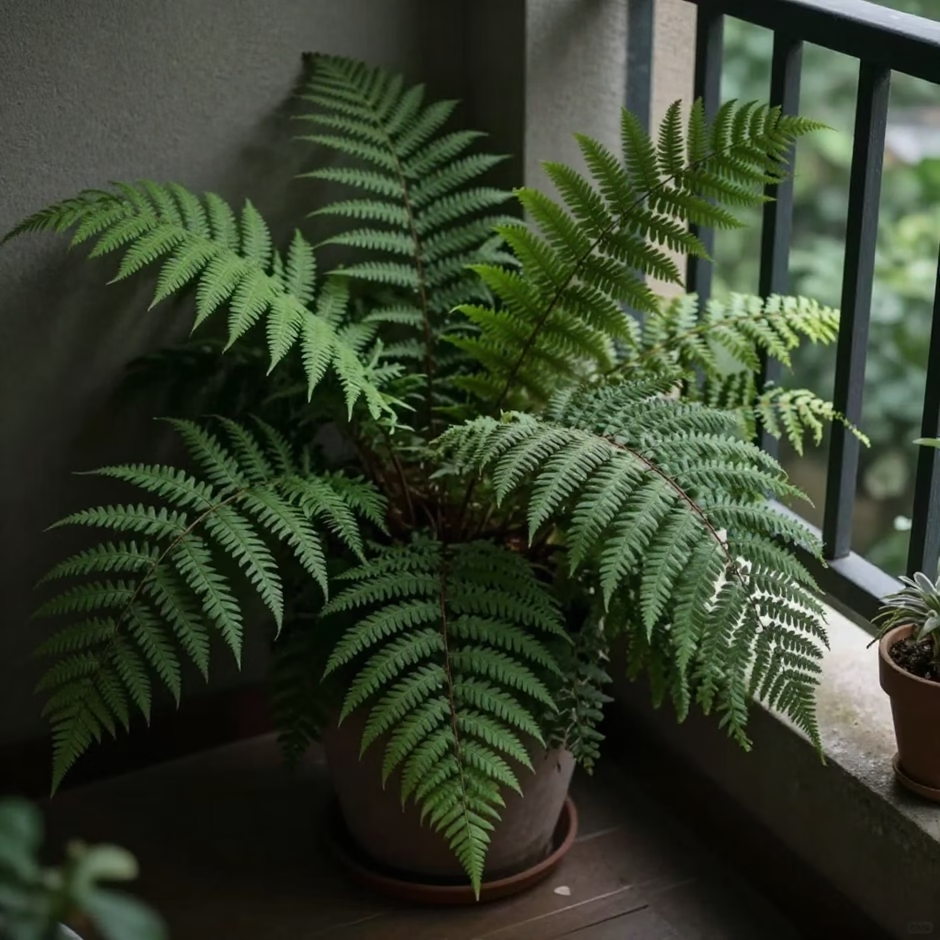
The Dryopteris family (buckler fern) is fully hardy, does well in containers, and tolerates dry shade, which is the toughest condition. Athyrium (lady ferns) prefer moist shade and produce delicate, feathery leaves. Both can be found at most garden centres for £4–£8 each.
Water them consistently — ferns don’t cope well with complete dryness. Keep the soil moist but not soggy.
7. Hostas
If your shady balcony gets some morning sun or reflected light, hostas are excellent accent plants.
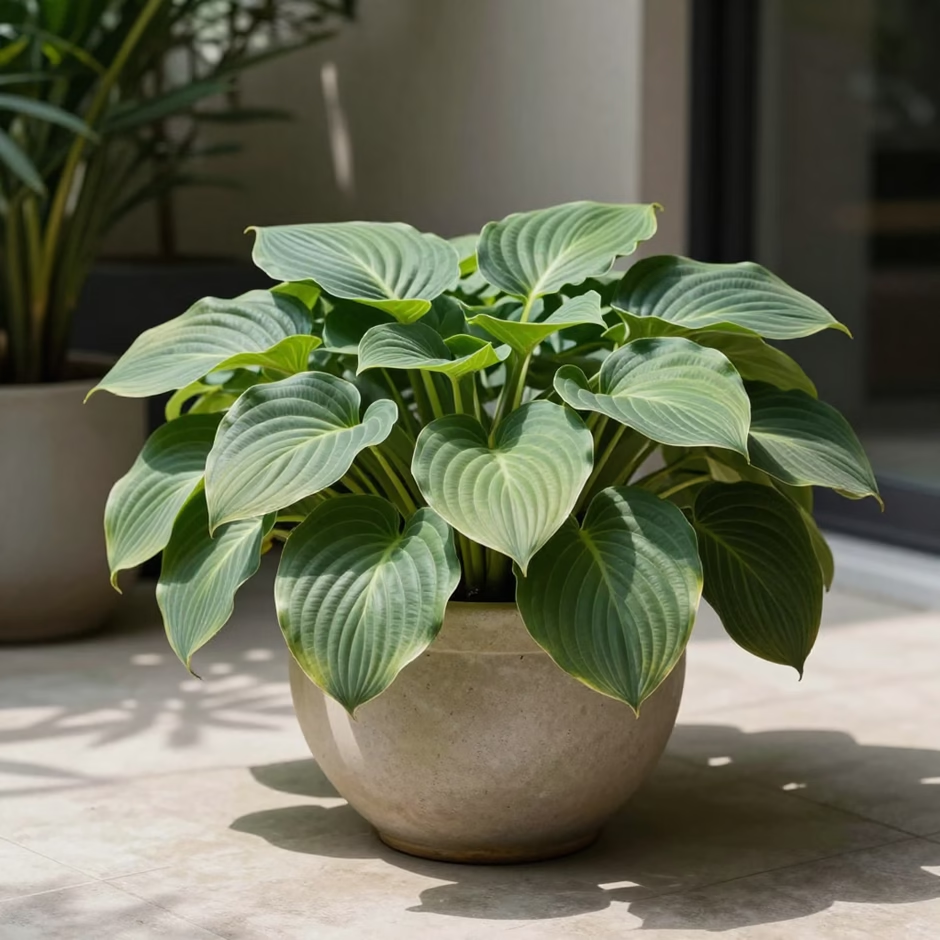
Their large, architectural leaves come in green, blue-green, gold, and variegated forms, creating a striking design in a container. They die back in winter and return every spring, making them a long-term choice rather than an annual one.
Note: slugs and snails love hosta leaves. On a balcony, this is usually manageable, as slugs are less likely to climb multiple floors. Use copper tape around pot rims as a precaution.
8. Begonias
Tuberous begonias offer some of the showiest flowers for shade, featuring large, double blooms in red, orange, pink, white, and yellow from June to October.
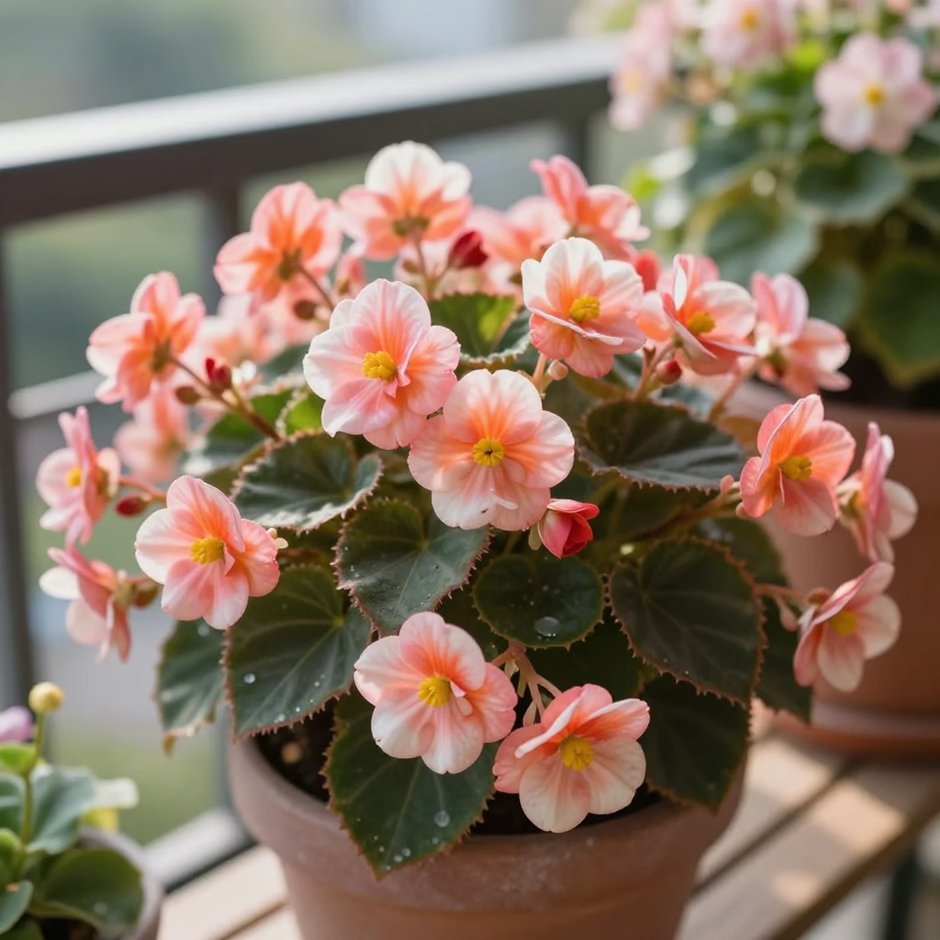
They need some brightness, not deep shade, so filtered light under a pergola or the partial shade of a northeast-facing balcony works well. Keep the soil moist and feed every two weeks with a high-potash liquid feed once they start flowering.
They aren’t hardy, so lift and store the tubers in autumn or treat them as annuals. A bag of mixed tubers from a garden centre costs £4–£8 and yields stunning results.
9. Japanese Acer (Acer Palmatum)
For a small shady patio or sheltered balcony needing a long-lasting structural plant, a Japanese acer in a container is a top choice.
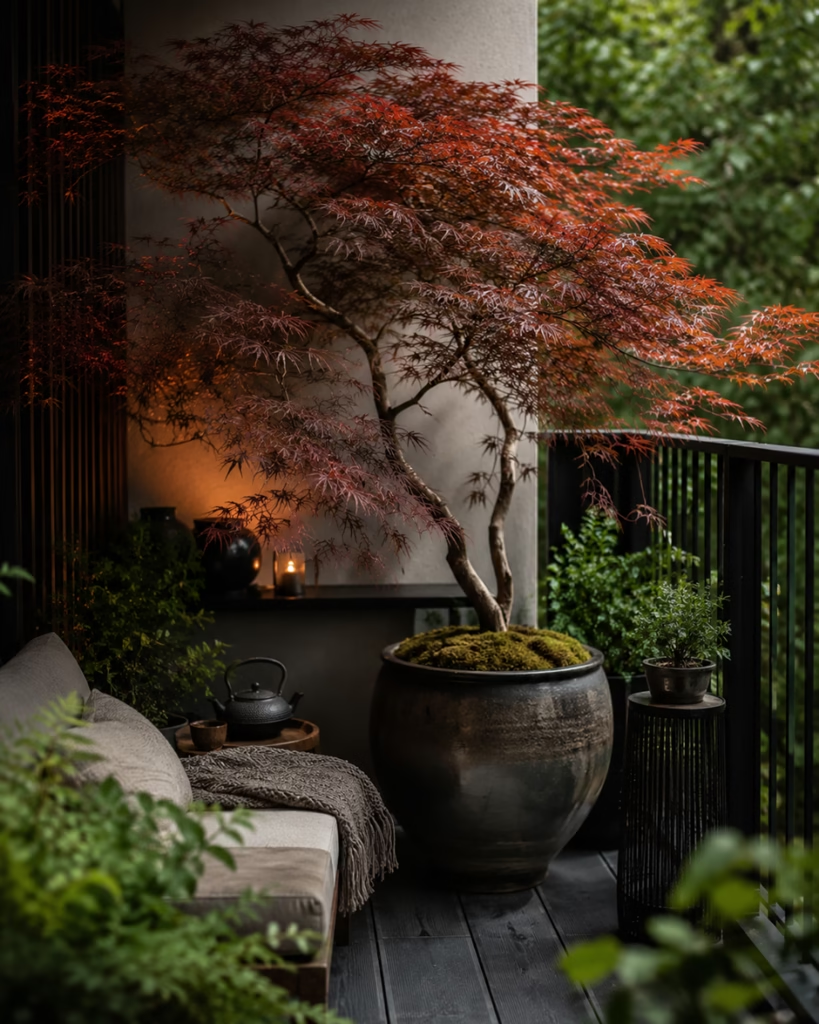
Their finely cut leaves change from green to deep burgundy to bright orange-red throughout the season. They grow slowly, meaning a container-grown tree remains manageable for years. They prefer dappled shade — morning sun with afternoon shade — and protection from strong winds.
These are more costly than annual plants (a good specimen can range from £20 to £50), but a Japanese acer in a large ceramic pot brings a unique beauty that few annuals can match. This is an investment that lasts for years.
10. Impatiens (Busy Lizzies)
Impatiens are the most dependable annuals for deep-shade containers. They bloom continuously from May to frost without needing deadheading, producing flowers in pink, red, white, coral, and lavender. Their low-maintenance nature makes them perfect for beginners.
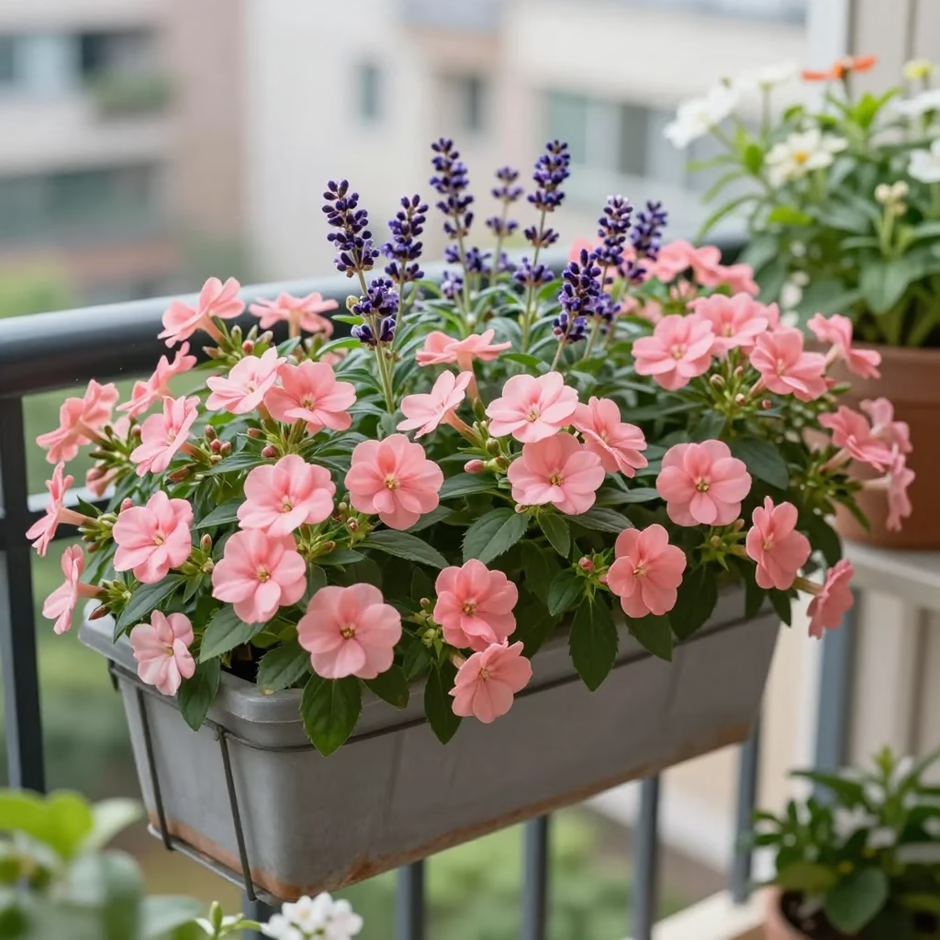
Keep them consistently moist; they wilt quickly when dry but bounce back fast with water. They aren’t drought-tolerant. A packet of plug plants from a garden centre costs £3–£5 and can fill a large hanging basket or window box all summer.
Which Outdoor Plants Handle Wind and Exposed Conditions Best?
Wind damage can be a serious issue in balcony gardening. The following plants truly handle exposed conditions well.
11. Ornamental Grasses
Grasses sway with the wind instead of resisting it. Their stems bend without breaking, require almost no maintenance, and their feathery seed heads remain attractive from late summer through to winter.
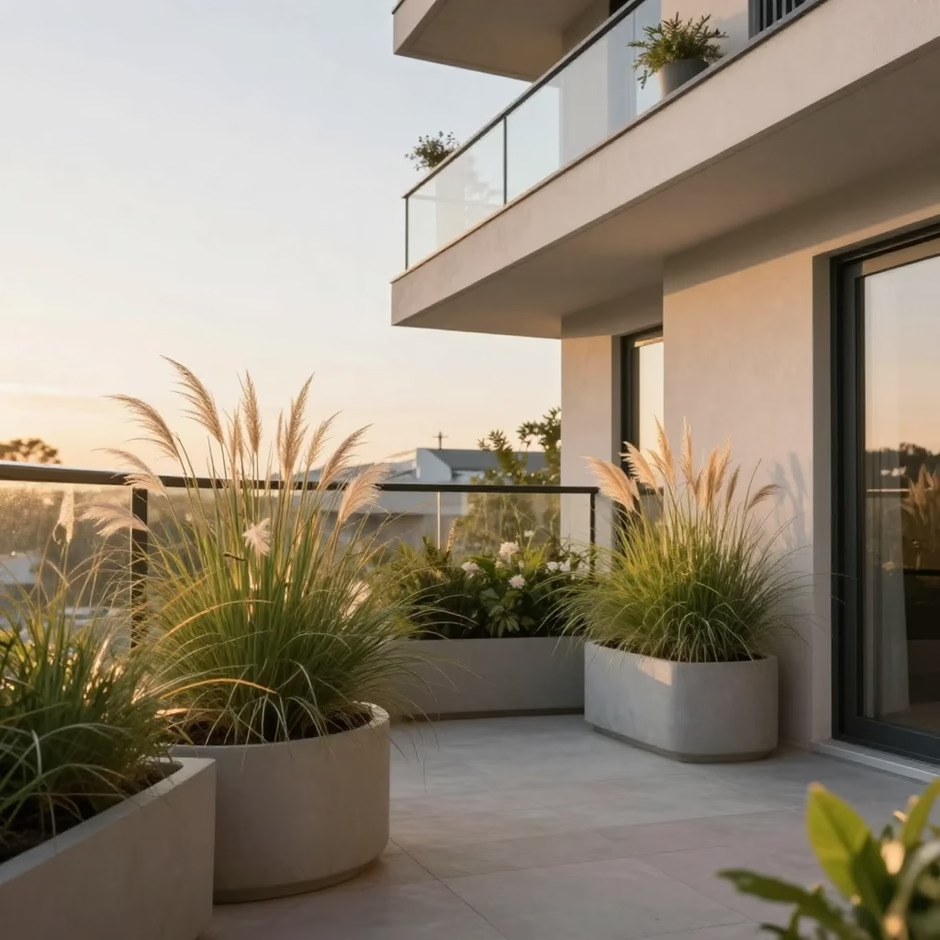
Solid options for windy balconies include Stipa tenuissima (Mexican feather grass, £5–£8); Festuca glauca (blue fescue, compact with silver-blue colouring); and Pennisetum setaceum (fountain grass, not fully hardy but stunning from June to October).
Plant them in heavy pots to avoid toppling in strong winds.
12. Dwarf Conifers
These wind-resistant plants provide year-round structure without the need for flowers. Dwarf conifers in containers bring permanent architecture to a balcony, avoiding the seasonal risks of flowering plants.
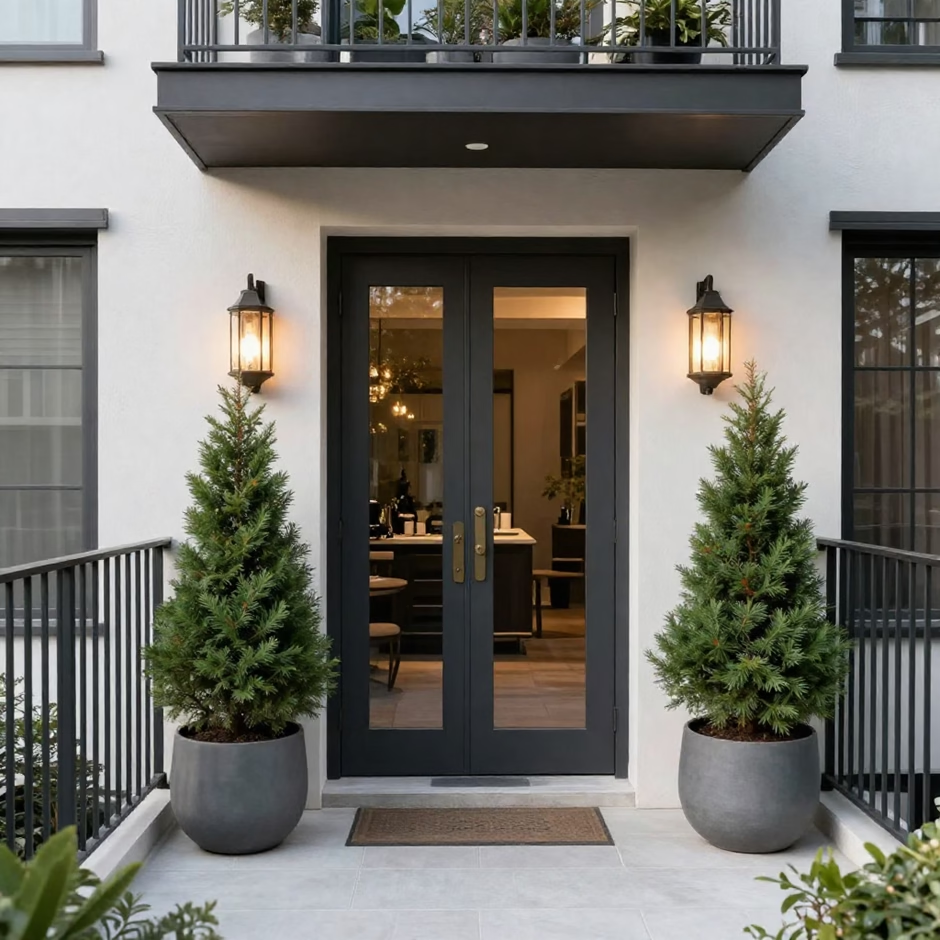
They work well in pairs beside a door or entryway. Juniperus communis ‘Compressa’ (very compact and columnar) and Picea glauca ‘Conica’ (cone-shaped Alberta spruce) both perform well in these conditions.
How Do You Create a Vertical Garden in a Small Space?
Vertical gardening is a practical solution for limited floor space. It expands your planting area without taking up more floor space.
13. Wall-Mounted Pocket Planters
Fabric pocket planters mounted on a wall or fence can hold 20 to 30 individual plants in a 60cm x 90cm space. They are great for herbs, strawberries, succulents, and shallow-rooted annuals.
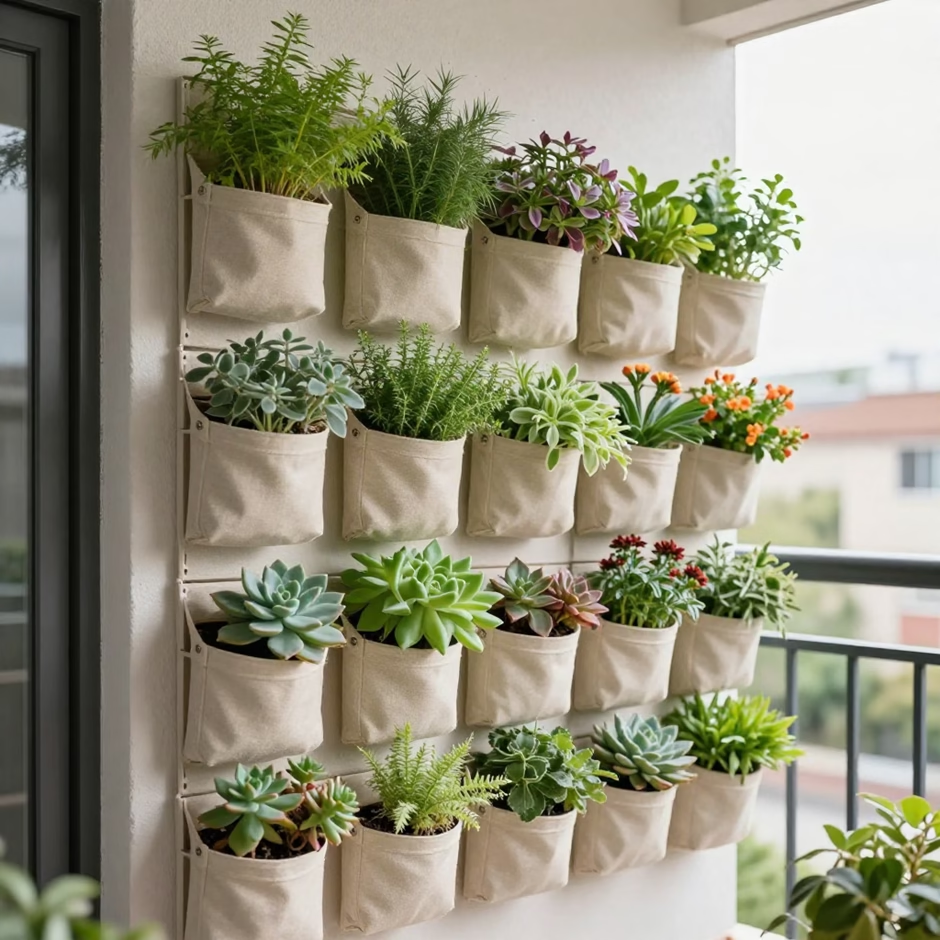
Water from the top and let it drain through. Check the moisture daily in summer, since shallow pockets dry out faster than individual pots.
14. Tiered Plant Stand
A three- or four-tier plant stand can hold six to twelve pots in an area of about 40 cm x 40 cm. This is the most efficient way to use vertical space on a small balcony.
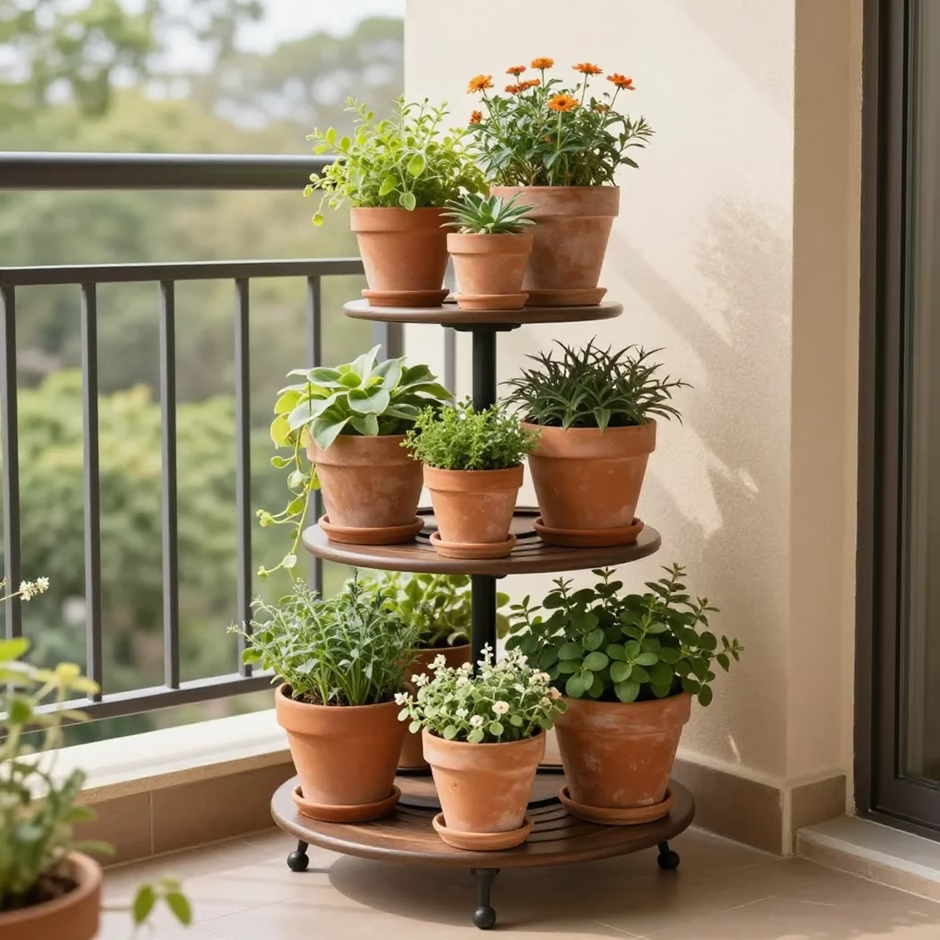
Use consistent pot styles—either all terracotta or all simple white—to create a unified look instead of a messy collection. Mix the plants for texture: place a trailing plant on top, mid-tier herbs, and a structural plant at ground level.
15. Trailing Plants in Railing Planters
Clip-on railing planters can hold trailing plants that spill over the balcony’s edge, adding height and softness to the exterior without taking up interior floor space.
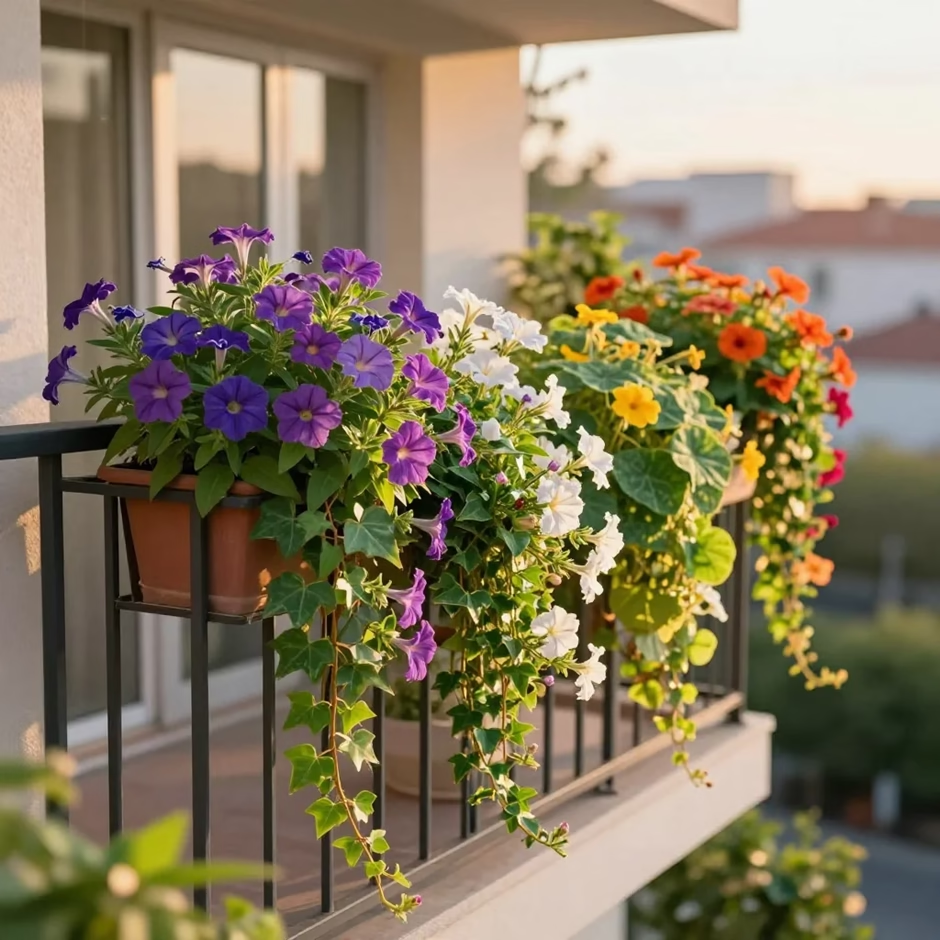
Best trailing plants for railing planters:
| Plant | Sun Requirement | Flowering Period | Care Level |
|---|---|---|---|
| Calibrachoa (mini petunias) | Full sun | May–October | Low |
| Lobelia | Part sun-to-sun | June–September | Low |
| Trailing ivy | Shade to part shade | Foliage year-round | Very Low |
| Nasturtium | Full sun | June–October | Very Low |
| Bacopa | Part sun-to-sun | May–October | Low |
Replace them annually for the best results, or cut them back hard in autumn for a second season.
What Compost and Containers Work Best for Container Gardening?
Use multi-purpose compost mixed with perlite or grit at a ratio of about 1 part grit to 4 parts compost. This improves drainage and prevents compaction that can harm container plants over time.
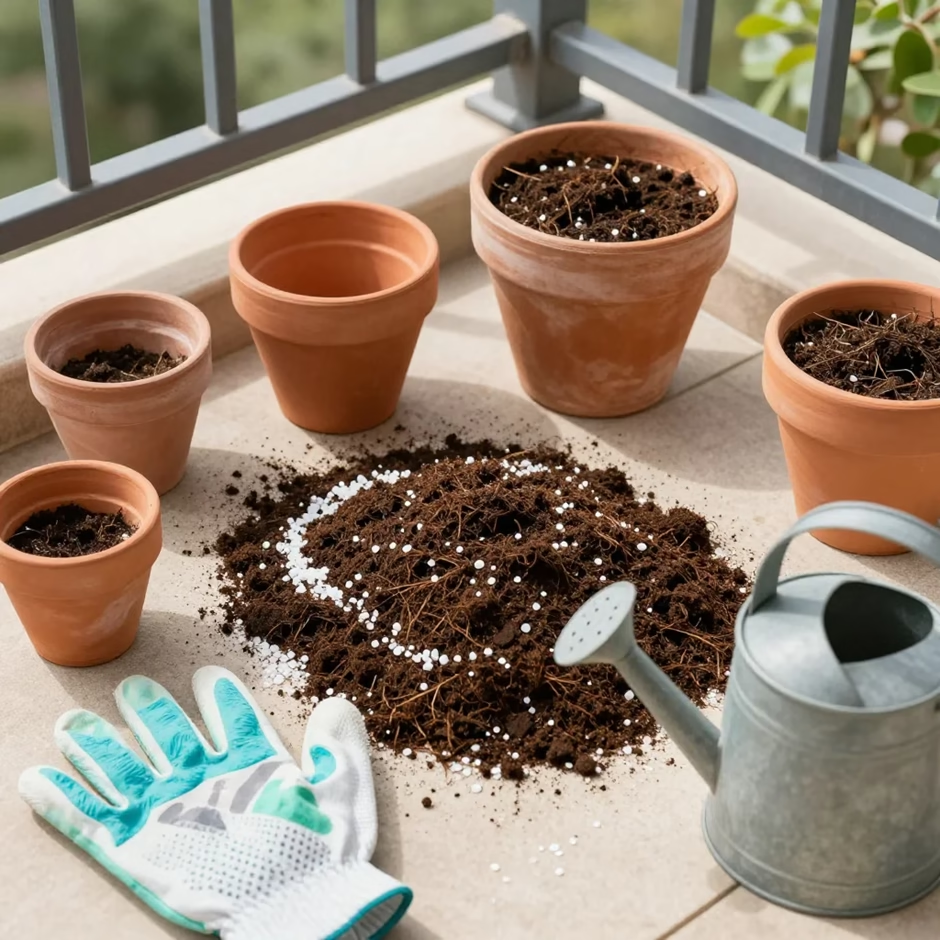
For planters in full sun, mixing in a moisture-retaining gel crystal extends the time between waterings significantly.
Container material comparison:
| Material | Weight | Durability | Appearance | Best For |
|---|---|---|---|---|
| Terracotta | Heavy | 5–10 years | Classic | Herbs, lavender, alpines |
| Fibreglass | Light | 10+ years | Modern | High-rise balconies with weight limits |
| Plastic | Very light | 3–5 years | Functional | Vegetables, annuals |
| Ceramic | Heavy | 10+ years | Decorative | Statement plants, acers |
| Recycled composite | Medium | 10+ years | Contemporary | Any plant type |
For upper-floor balconies, fibreglass pots are the best option—they look just like terracotta or stone in photos but weigh 80% less.
Frequently Asked Questions About Outdoor Plants for Small Spaces
What is the easiest outdoor plant for a complete beginner?
Geraniums (pelargoniums) for sunny spots and begonias for shaded areas are ideal. Both flower abundantly, tolerate irregular watering, and provide quick visual results. They are also inexpensive; plug plants typically cost £1 to £2 each at most garden centres starting in April.
How often should I water container plants on a balcony?
In summer, most container plants on a sunny balcony need daily watering, sometimes twice a day during a heatwave. Smaller pots dry out faster. Insert your finger 2 to 3 cm into the compost: if it feels dry at that depth, water thoroughly until it drains from the bottom.
Can I grow vegetables in a small outdoor space?
Yes, with the right selections. Tomatoes (bush varieties like Tumbler or Tumbling Tom), runner beans on a trellis, salad greens, courgettes (one plant yields a lot), and chillies all thrive in containers with regular watering and feeding.
Do outdoor plants need feeding?
Yes. Container plants use up nutrients in compost within 6 to 8 weeks of planting. Feed every two weeks with liquid fertiliser from May to September. Tomato feed, which is high in potassium, works well for flowering plants. A general balanced liquid feed suits foliage plants and herbs.
Which plants come back every year in containers?
Hardy perennials like lavender, hostas, ornamental grasses, hardy ferns, dwarf conifers, and Japanese acers can return year after year in containers. Tender perennials like geraniums and dahlias need frost protection in winter, but can
CONCLUSION
Outdoor plants for small spaces succeed or fail based on matching the plant to the right conditions, not a wishlist.
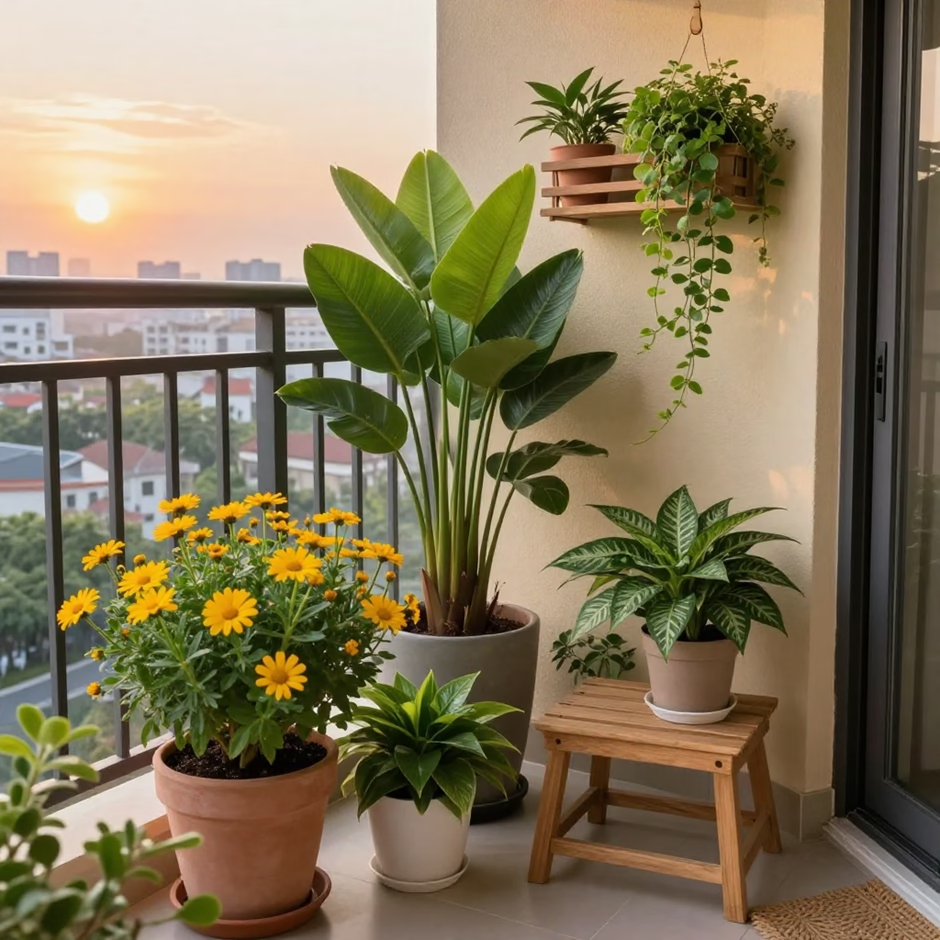
Check your light and wind exposure. Choose from the list that fits. Water consistently and feed from May onwards. Three well-cared-for plants can make a bigger impact than ten struggling ones.
Start with one plant for sun, one for shade, and one trailing plant for the railing. These three options, when well-matched and cared for, can transform any small outdoor area into a vibrant green space.
Watch: For clear, practical video guidance on container plant selection and care, the RHS YouTube channel publishes expert-led free content on balcony and container gardening tailored to UK conditions.
For ideas on how to style your plants within a complete balcony design, our guide on small balcony decor ideas and cosy patio ideas on a budget shows exactly how planting fits into the complete outdoor space picture.
OUTBOUND LINKS
INTERNAL LINKS
- Small Balcony Decor Ideas — https://apexaesthetic.blog/small-balcony-decor-ideas/
- Cozy Patio Ideas on a Budget—https://apexaesthetic.blog/cozy-patio-ideas-on-a-budget/
- Spa Bathroom Ideas on a Budget — https://apexaesthetic.blog/spa-bathroom-ideas-on-a-budget/
- Morning Habits That Change Your Life — https://apexaesthetic.blog/morning-habits-that-change-your-life/
2 thoughts on “15 Low-Maintenance Outdoor Plants Perfect for Small Balconies, Patios & Terraces”