
Table of Contents
Introduction
Budget-friendly garden lighting can transform your outdoor space at night. You don’t need an electrician, wires, or a big bill. Good garden lighting does two things: it makes the area safer at night and gives it a welcoming, planned appearance.
The best part is that many attractive options are also inexpensive. Solar technology has seen significant improvements since 2018. String lights in the £10–£20 range are now good quality. Battery-powered spotlights have expanded lighting choices for renters and those who can’t dig up their gardens.
This post offers 14 specific ideas, complete with real prices, product categories, and honest insights about what works and what doesn’t.
Why does garden lighting matter more than most people think?
Good lighting lets you enjoy your garden for several more months. A well-lit patio in October feels so much better than a dark one; you might actually want to go outside.
A 2022 report from the Global Wellness Institute found that spending time in outdoor areas is linked to lower stress levels. Lighting is key to making outdoor spaces usable in the evenings, especially during the UK’s autumn and winter months.
In addition to wellness, garden lighting boosts curb appeal. Data from Rightmove (2023) shows that homes with well-looked-after outdoor spaces, including lighting, sell for 5–10% more than similar homes without.
What are the best budget garden lighting ideas?
1. Solar spike lights along a path
Solar spike lights should be your first choice if you want budget-friendly garden lighting. They require no wiring, charge during the day, and turn on automatically at dusk.
At £2–£5 per light (available at B&Q, Wilko, and Amazon), six lights along a 3m path will cost under £25. Choose warm white versions, as cool white can look harsh in a garden. They need 6–8 hours of full sunlight for charging and usually offer 6–10 hours of light per charge.
2. Solar string lights on a fence or pergola
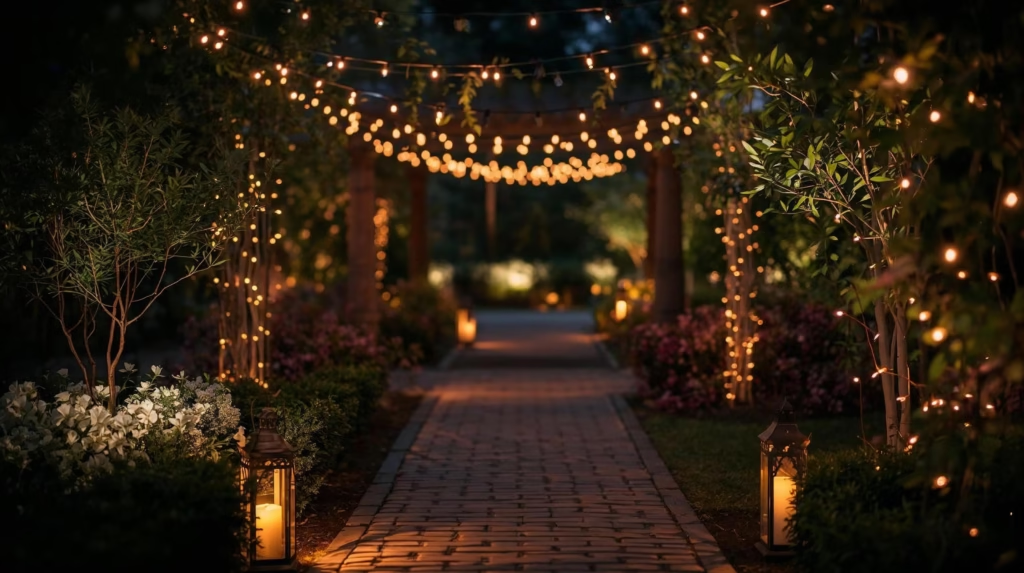
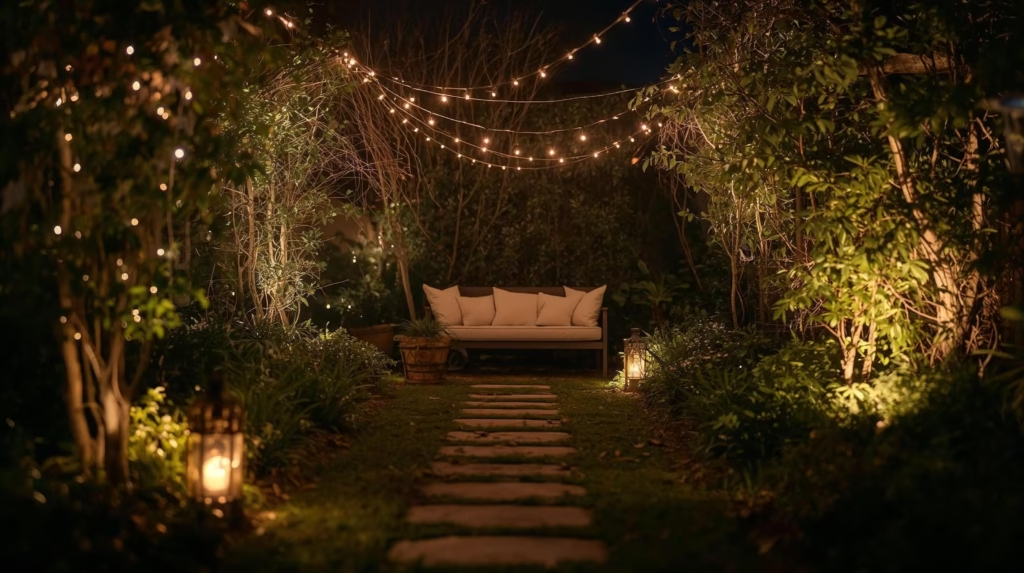
A 10m set of solar string lights runs between £8 and £15 at most UK stores. You can thread them along a fence panel, over a pergola, or around a trellis. The solar panel clips to the top of the fence, and the lights take care of themselves.
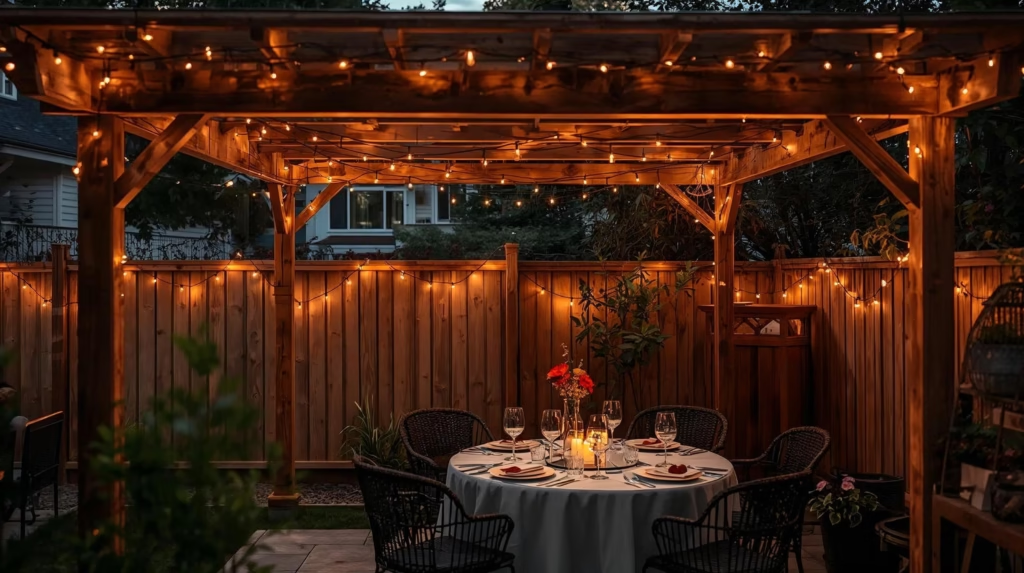
Look for sets with at least 100 bulbs on 10m of wire to ensure even coverage instead of scattered dots of light.
3. Battery-powered fairy lights in plant pots
Place a set of battery-powered fairy lights inside a large planter, and the pot will glow from within. This method works especially well with large terracotta pots or wicker planters.
A set of 20 warm LED battery lights costs around £3–£6. Two AA batteries provide about 40–60 hours of light, depending on the setting. If you switch to rechargeable batteries (£10–£14 for a set of 4 plus a charger), your running costs will drop close to zero.

4. Solar lanterns on a table or steps
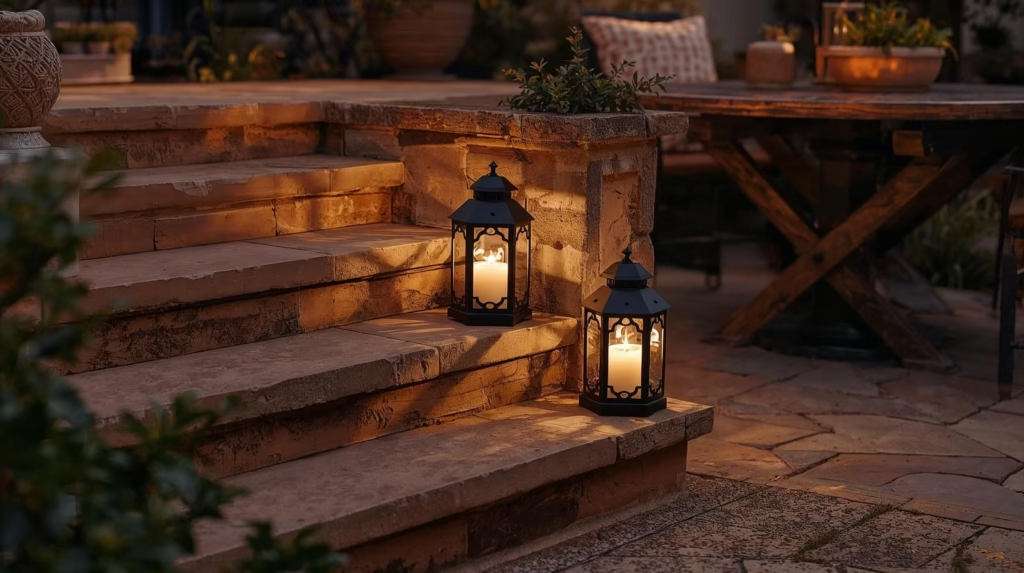
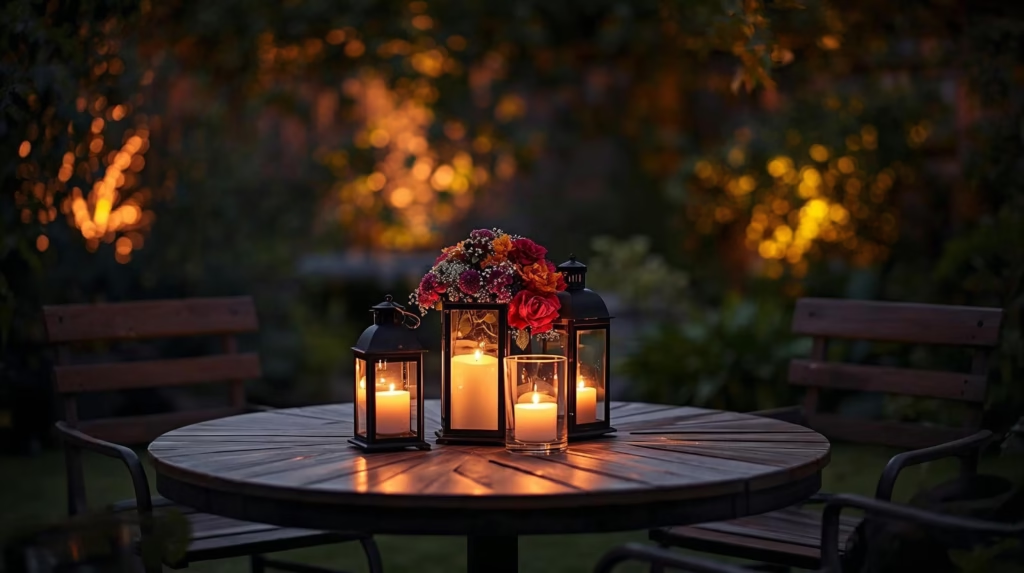
Solar lanterns with a flickering candle effect cost between £8 and £20 and look great on garden tables, steps, or low walls. The flickering LED closely resembles a real candle from a distance.
They are also safe, posing no fire risk or wax mess, and won’t be affected by rain.
5. Wall-mounted solar security lights (used as ambient lighting)
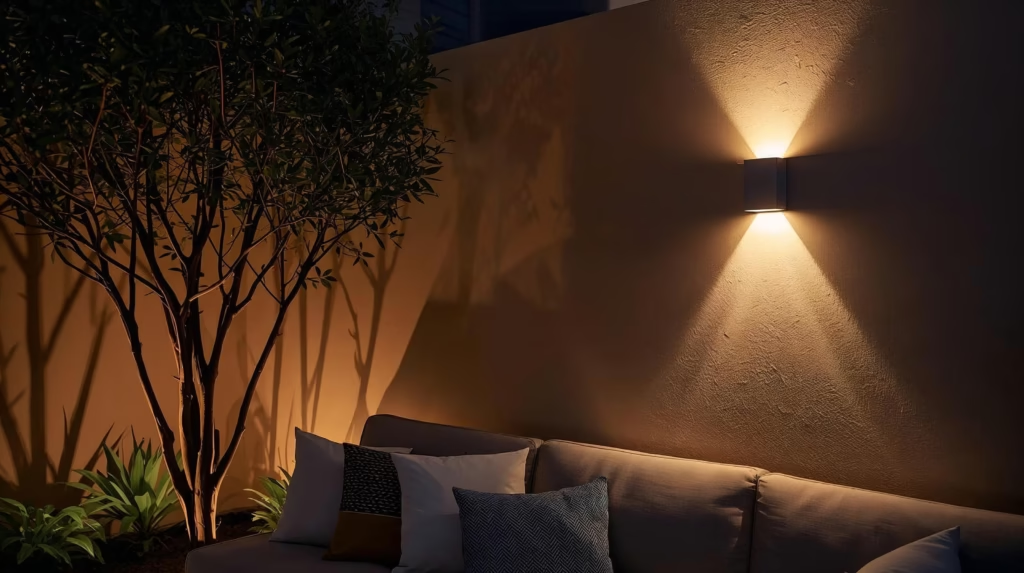
Motion-sensor solar wall lights can cost £12–£25 for a good unit. While they are marketed as security lights, you can use the low-brightness setting as background lighting that turns on when you walk by.
Place one near a seating area, and it will light up as you come outside. No switch or fumbling is required. These work well on any wall or fence post that gets decent sun exposure.
How do you light a small garden without wiring?
6. Glass jar lanterns with tea lights
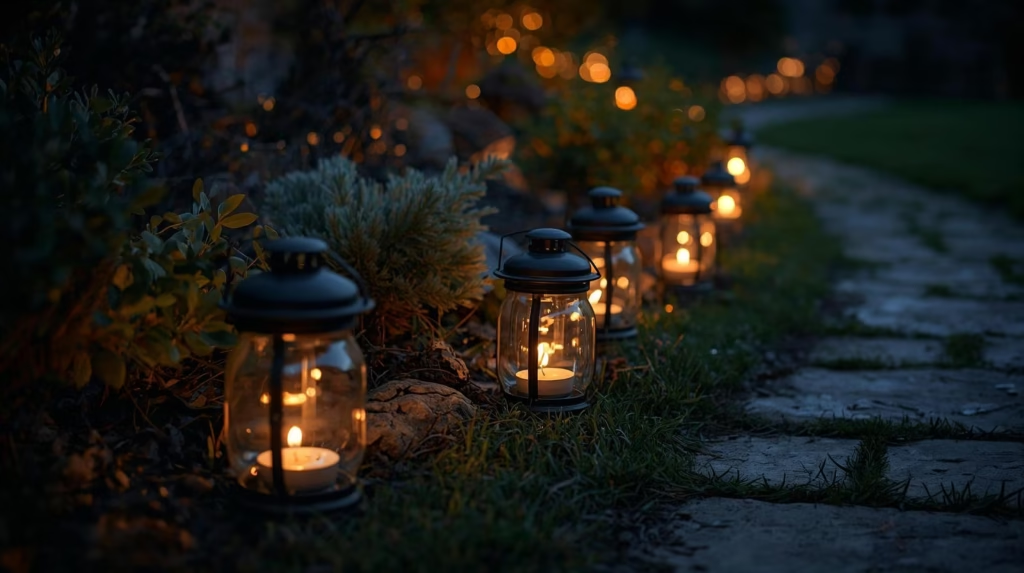
This idea is very inexpensive. Clean jam jars, drop in a tea light or a single battery fairy light coil, and set them along steps, window ledges, or raised bed edges.
A pack of 100 tea lights costs £3–£5 at IKEA. For a party or dinner outdoors, six glass jars with tea lights along a path will cost under £10 total and look nicely arranged.
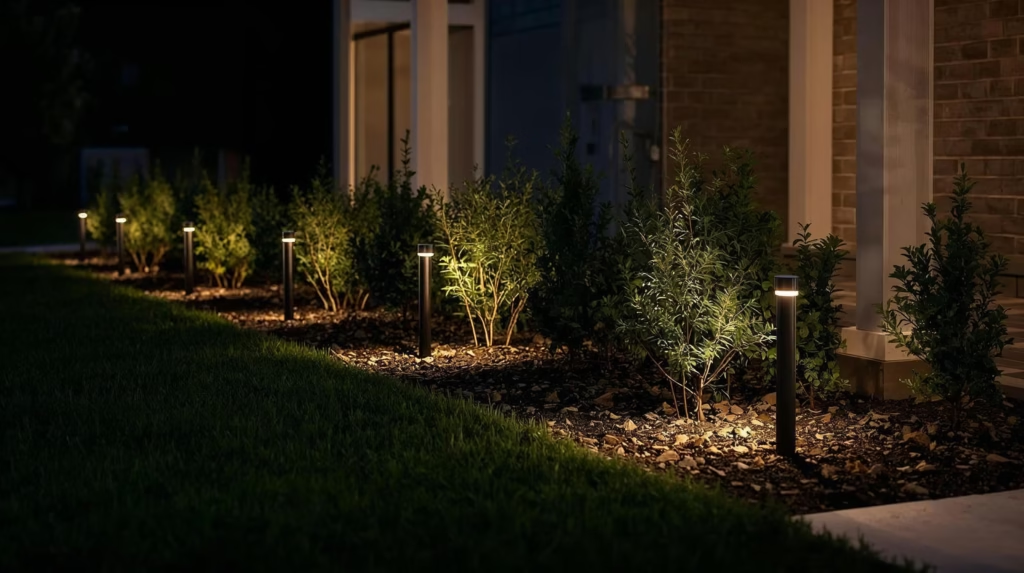
7. Solar bollard lights along a border
Solar bollard lights are taller than spike lights, usually around 30–50cm high. They offer a softer, wider light spread along a path or border.
A set of 4 costs approximately £20–£35, depending on the brand. They have a more architectural look than spike lights and work well in gardens designed with clean lines.
8. Festoon lights between posts
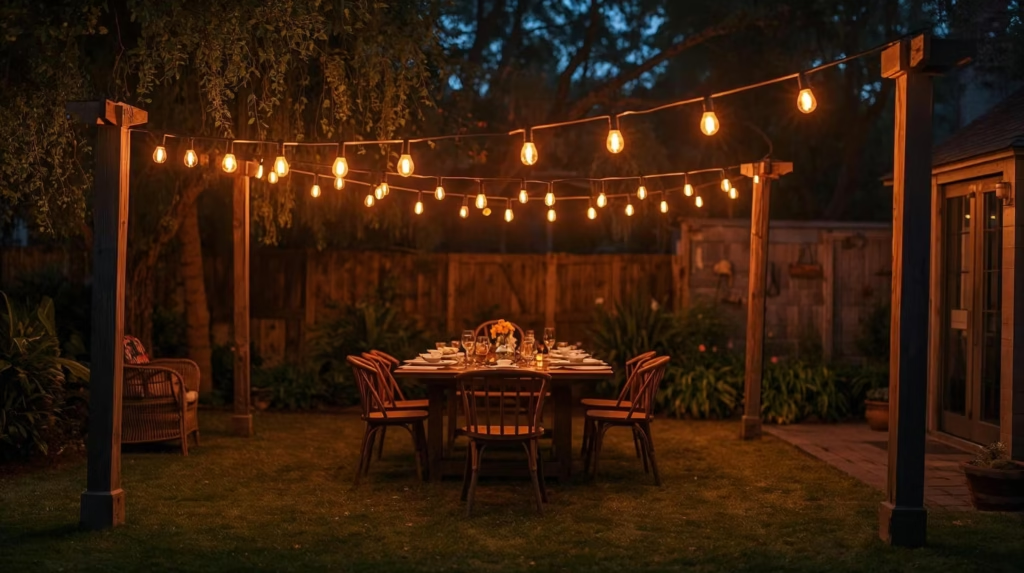
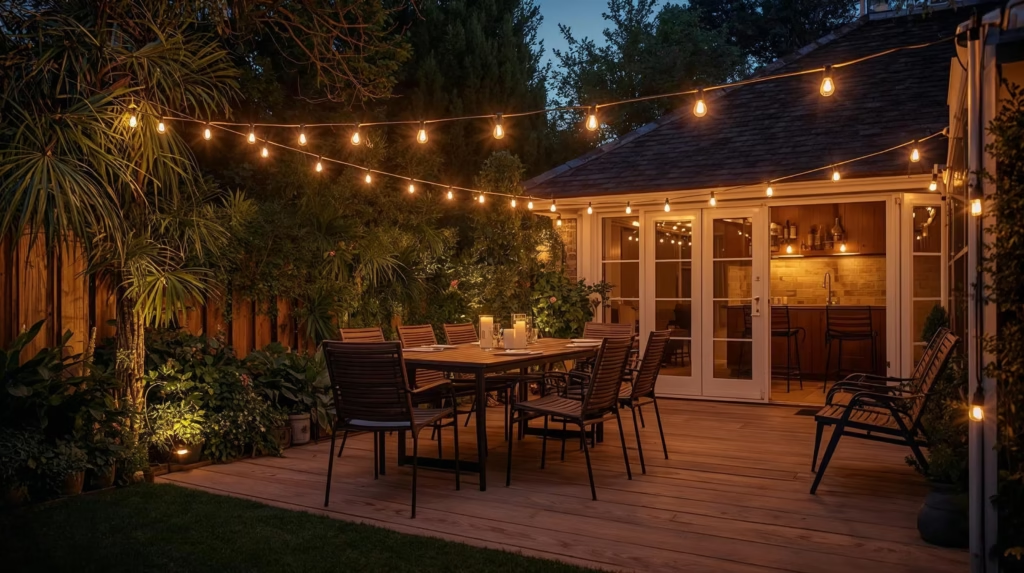
Festoon lights are a sturdier version of string lights, with thicker cables, larger bulbs, and better weather resistance. A 5m set costs £15–£30. You can string them between two fence posts, two bamboo poles, or hooks attached to a wall.
They provide warm, inviting lighting similar to a pub garden, making outdoor dining enjoyable in April and September.
What solar lights actually work in the UK?
UK solar lights have received criticism because early, cheaper models didn’t perform well in low light. However, the technology has improved.
Modern solar garden lights charge effectively even on cloudy days. Most reputable brands, such as Litom, Amir, and the B&Q solar range, can charge well during the UK winter if placed in the sunniest spot available.
Key features to look for:
– Built-in rechargeable lithium battery (superior to NiMH in colder conditions)
– Lumen output of at least 15–30 lumens for path lights, 100+ for wall lights
– IP65 or higher weatherproof rating
The Which? consumer guide on garden solar lights (which.co.uk) reviews different models at various price points. It’s worth reading before making a purchase.
How do you create atmosphere with budget garden lighting?
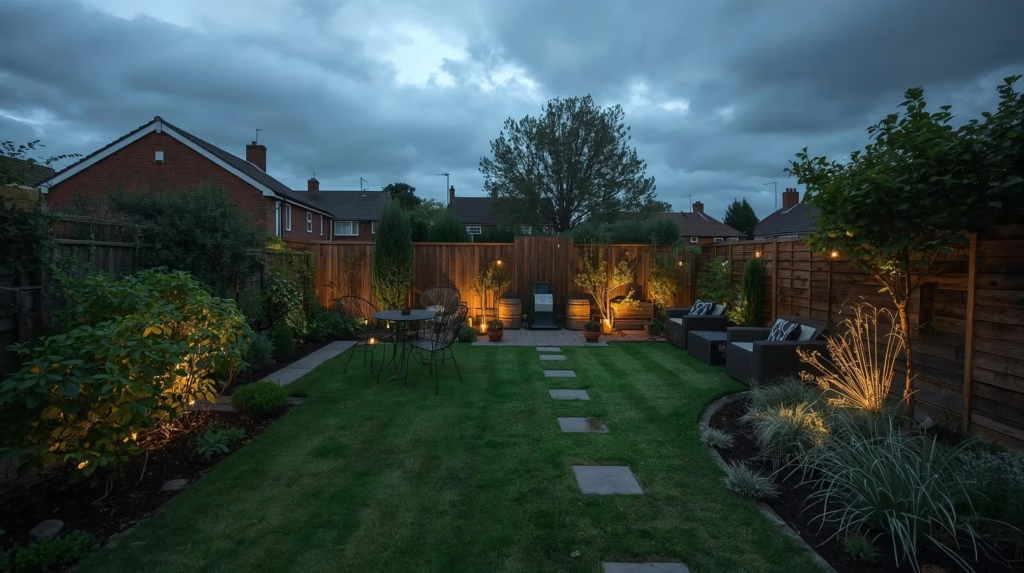
9. Layer your light sources
Using one light source, like string lights along a fence, creates flat, even light. Two or three sources at different heights add depth.
For example, use string lights overhead at 2m, solar spike lights at ground level along the path, and a lantern on the table at eye level. Three sources can be set up for under £40 combined.
10. Aim the lights upward at a tree or shrub
An upward-directed spotlight on a shrub or tree changes how the plant appears at night. An outdoor solar spot costs £10–£18 at most garden centres.
Insert the spike about 30–50cm from the plant’s base and point the head upward. This technique mirrors what professional landscape designers use, though they often spend more on the equipment.

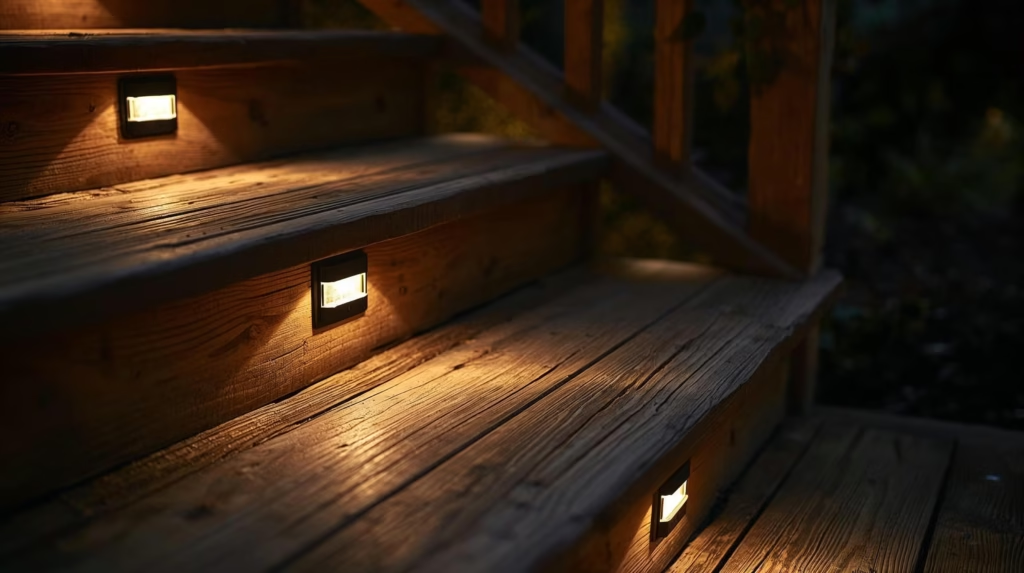
11. Light steps for safety and style
Step lights can prevent trips and enhance the look of the area. Stick-on solar step lights range from £5 to £10 for a pack of 4 (available at Amazon and B&Q). They attach flat against the front of each step and turn on automatically at dusk.
They are especially effective on wooden decking steps since they can be mounted without drilling.
12. Rope lights along a fence base
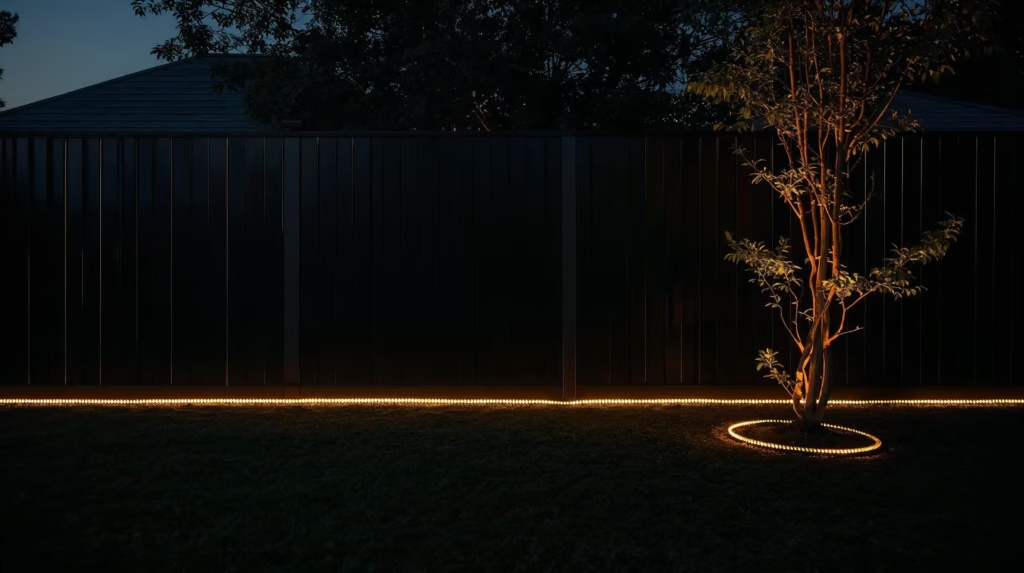
LED rope lights cost about £8–£15 for a 5m battery-powered set. Place them along the base of a fence or the edge of raised beds. The soft light pools on the ground and creates a clear boundary at night.
This works well in gardens with dark fencing, as the rope light outlines the area, making it feel like a deliberate space rather than a dark gap.
Are outdoor extension cables and plug-in lights worth it on a budget?
If you have an outdoor plug socket, plug-in lights can provide brighter, more dependable lighting than solar for a lower initial cost. A plug-in outdoor string light set at 10m costs £12–£20 and shines brighter than most solar options.
The downside is the cable—make sure to get a proper outdoor extension lead rated for garden use (IP44 rated minimum), costing around £15–£25. Keep the cable out of foot traffic and elevated during wet weather.
The total cost with plug-in lights and a rated extension is £30–£45 for a reliable and bright setup. This offers good value if you have the socket.
13. Use a timer plug for plug-in lights
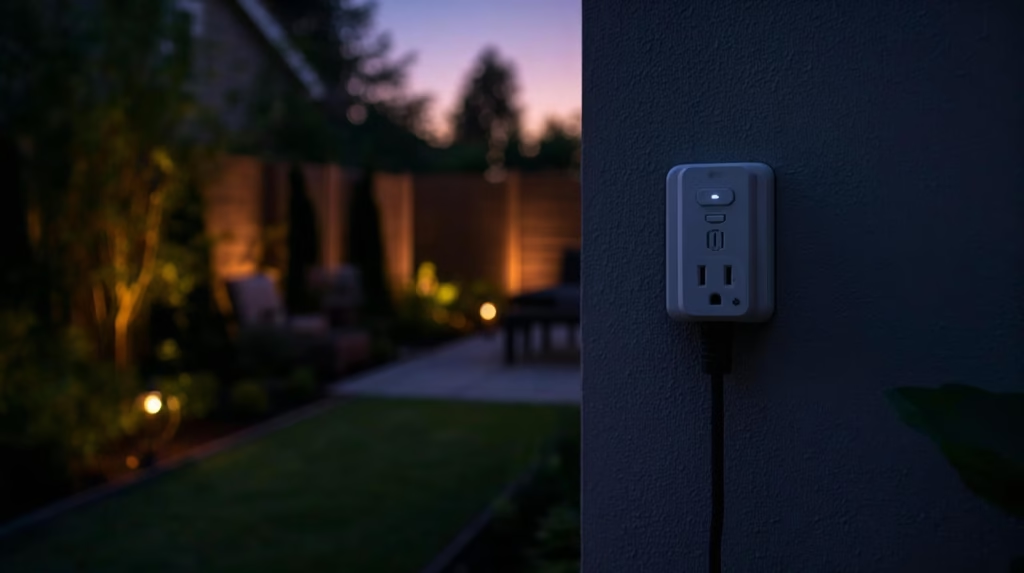
A timer plug (£8–£12) schedules your garden lights to turn on and off at set times daily. You won’t need to remember to switch them on. This approach keeps your garden looking lived in from the road, even when you’re away.
14. LED candles on a table or wall ledge
Flameless LED candles retail for £6–£15 for a set of 3–6. They imitate real candles from 1–2 metres away. On a garden table or along a low wall ledge, they create a warm, settled light that makes outdoor evenings feel pleasant.
Some models have a 4-hour or 8-hour auto-off timer built in, which is convenient as you won’t have to remember to turn them off at night.
What to avoid with budget garden lighting:
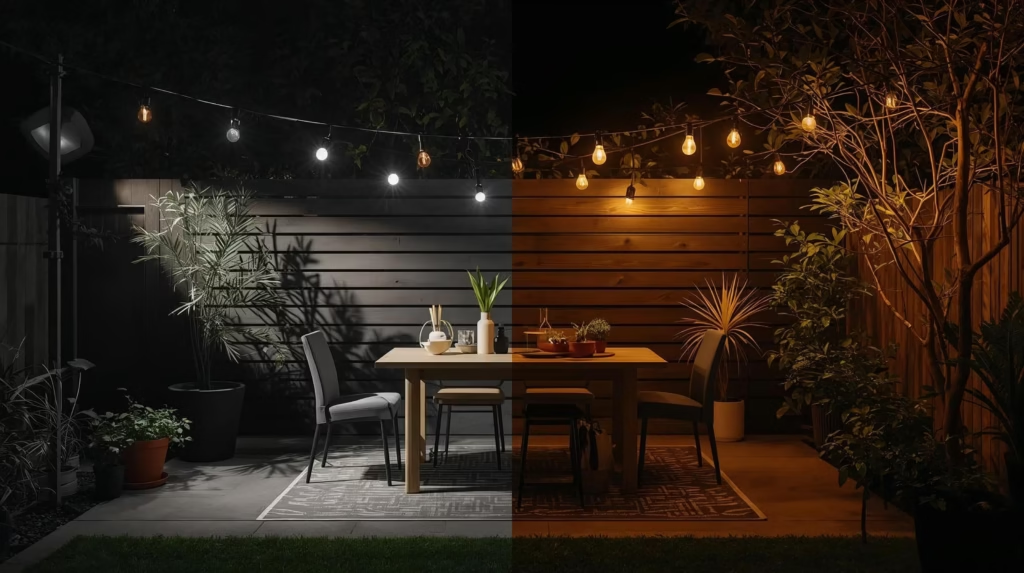
Cool white bulbs can appear harsh in a natural outdoor setting. Always choose warm white (2700K to 3000K colour temperature).
Tiny solar panels on very cheap lights won’t charge adequately in a UK climate if they are smaller than about 7cm x 7cm. Check product images before buying.
Placing solar lights in shade seems obvious, but many people set them up where they look good rather than where they’ll charge. The lights need over 6 hours of direct sun to perform well.
Having too many lights of the same type can make a row of 20 identical spike lights look like a runway. Mix spike lights, lanterns, and string lights for a more natural appearance.
Useful YouTube resource
Huw Richards – Garden Lighting on a Budget: www.youtube.com/@HuwRichards
Huw covers practical, affordable outdoor setups with genuine cost breakdowns — honest and useful.
More budget-friendly garden ideas for outdoor spaces.
If you’re lighting a balcony instead of a garden, the same solar and battery options apply. Check our post on apartment balcony garden ideas for tips on making a small elevated space feel warm and stylish at night.
For a complete overview of budget garden design, our post on small garden ideas on a budget discusses layout, plants, and structure before you add lighting.
You can also find seating and surface ideas in cosy patio ideas on a budget. It covers everything you need for a full patio setup from the ground up.
FAQ — Garden lighting ideas on a budget
What is the cheapest type of garden lighting?
Solar spike lights are the cheapest starting point. They usually cost around £2 to £5 per unit and have no running costs. Battery fairy lights come next, with minimal battery costs. These options not only keep your budget in check but also provide flexibility in placement without the hassle of wiring. You can easily move them around to suit your garden’s layout or seasonal changes. Additionally, both solar spike lights and battery-powered fairy lights offer a warm ambiance that enhances the beauty of your outdoor space, making them perfect for cosy evenings spent outside.
Consider mixing these lighting types to create a layered effect, adding depth and interest to your garden while staying within budget.
Do solar garden lights actually work in the UK?
Yes, if you place them correctly. Modern solar lights can charge on overcast days. They need over 6 hours of daylight to perform well and should be positioned in the sunniest spot available. Look for IP65 waterproofing and a lithium battery.
How do I light my garden without electricity?
Solar and battery-powered lights don’t require any wiring. Using a combination of solar path lights, battery lanterns, and solar string lights can give you a fully lit garden without cables or an electrician.
How many lights do I need for a small garden?
For a typical small UK garden (25 to 50 m²), using 6 to 8 path lights, one or two runs of string lights, and 2 to 3 lanterns or spotlights will provide good coverage. This should cost around £50 to £80 at budget prices.
What colour temperature is best for garden lights?
Warm white, between 2700K and 3000K, looks natural against plants and wood. It won’t wash out the garden the way cool white (5000K and above) does.
Conclusion
Budget garden lighting doesn’t have to mean compromise. Solar and battery technology in 2024 is reliable enough that the main limiting factor is placement, not price. Get the position right by ensuring maximum sun exposure on the solar panel and maximum visual impact in the illuminated area. This way, you’ll transform your garden after dark.
The investment is small, but the difference is significant.
2 thoughts on “14 Budget Garden Lighting Ideas That Make Your Backyard Look Expensive”