Table of Contents
Introduction
Hair sometimes falls out in noticeable clumps during washing, leading many people to try multiple supplements without first identifying the underlying cause. In some cases, a simple blood test reveals a vitamin D deficiency or low ferritin levels. Correcting those specific deficiencies under the guidance of a healthcare professional often produces more consistent results than taking several supplements without knowing what the body actually needs.
This example highlights an important lesson: the best vitamins for hair growth are those that address your individual nutritional needs. Identifying specific deficiencies before purchasing supplements can save both time and money while helping you choose a more effective treatment plan.
This guide explores the most researched vitamins for hair growth, explains what current clinical evidence says about each nutrient, outlines realistic timelines for visible results, and compares some of the most popular hair growth supplements. A detailed product comparison table is included near the end if you’d like to jump directly to supplement recommendations.
If you already have a hair care routine in place, the hair growth routine for thicker hair pairs well with everything covered here.
Important Note: This post is for informational purposes only. It is not a substitute for medical advice. If you are experiencing significant hair loss, consult a board-certified dermatologist.
Why your hair needs specific vitamins to grow
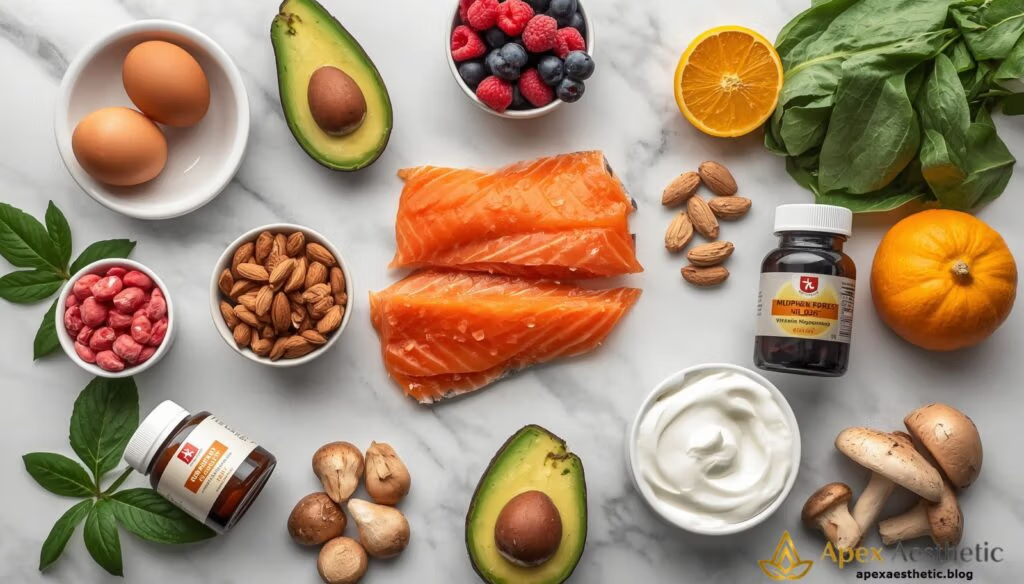
Hair is made of keratin, a structural protein. Vitamins and minerals in your bloodstream control how well your follicles produce them.
Here is something most supplement companies will not say: when your overall nutrient supply runs low, the body routes nutrients away from hair follicles first. Hair is not vital to survival. That means deficiencies show up in your hair before they appear anywhere else.
This is why testing before supplementing matters. Taking nutrients you do not lack is wasteful and occasionally counterproductive.
What does a vitamin deficiency do to your hair?
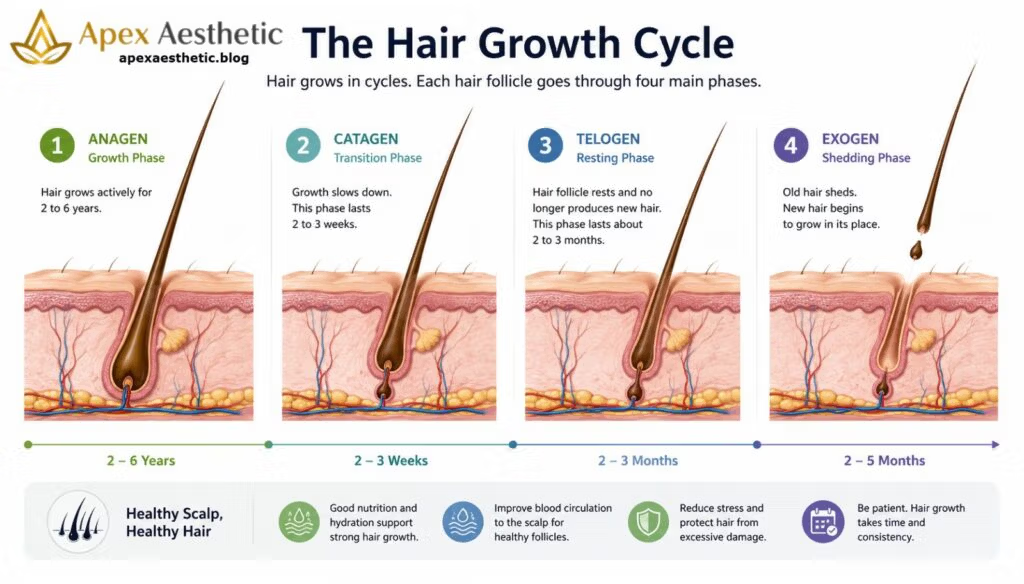
Deficiency triggers telogen effluvium. The hair shifts from its active growing phase into the resting phase and sheds early.
The confusing part: shedding typically appears 2 to 3 months after the deficiency starts. Most people cannot trace the cause because the lag is so long.
Once the deficiency corrects, shedding reverses. Regrowth takes longer, but shedding stops. The American Academy of Dermatology has a clear breakdown of hair loss types and their causes at aad.org.
What nutrients does hair actually need?
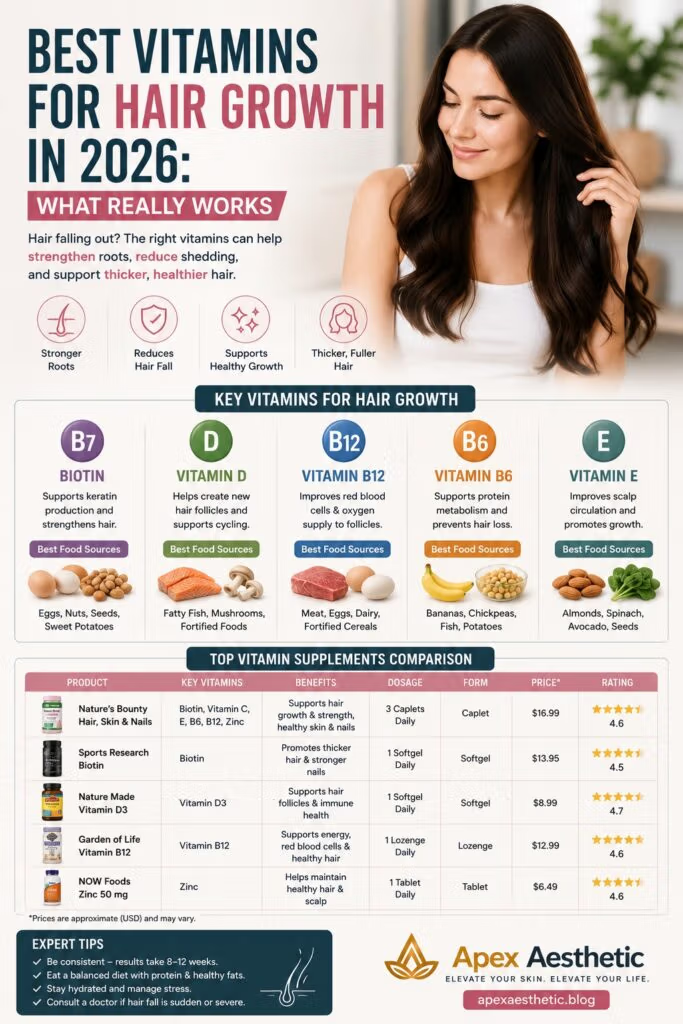
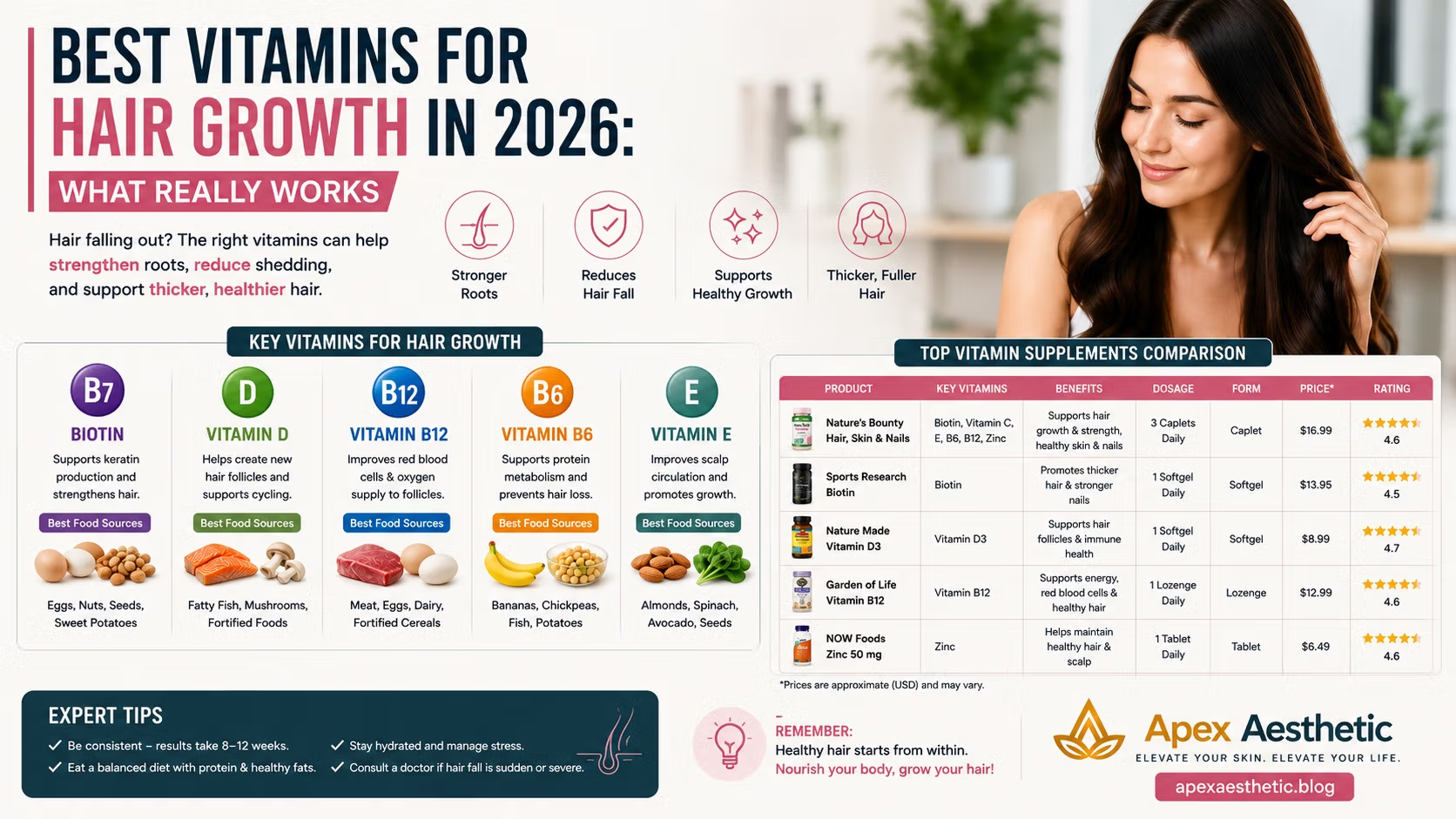
The key vitamins are biotin (B7), vitamin D, B12, B6, vitamin C, vitamin E, and folic acid (B9).
Key minerals include iron, zinc, selenium, and MSM (methylsulfonylmethane). Omega-3 fatty acids also support follicle health by reducing scalp inflammation. Each section below covers dosage ranges, what deficiency looks like, and a realistic timeline for results.
The best vitamins for hair growth, ranked and explained

Biotin (vitamin B7): most popular, but with a real catch
Biotin supports keratin production directly. It is also the most aggressively marketed hair supplement in the US.
The research reality: biotin supplementation produces noticeable results only in people who are genuinely biotin-deficient. True deficiency is rare in the general US population. Most adults get sufficient biotin through eggs, salmon, and whole grains.
High-dose biotin at 10,000 mcg can interfere with thyroid and cardiac lab tests. That is a documented safety concern worth knowing if you have those conditions. A 2024 PubMed review titled “Biotin for Hair Loss: Teasing Out the Evidence” (PMID 39148962) confirms the gap between public perception and actual clinical evidence for biotin in people without deficiency.
Common supplementation range: 2,500 to 5,000 mcg daily. Research shows diminishing returns above 5,000 mcg. Timeline: 3 to 6 months before visible results, only when deficiency-driven.
One recurring pattern reported by people who correct a confirmed biotin deficiency is that nail strength often improves before noticeable changes in hair density. In many cases, subtle improvements in nail health become visible within six to eight weeks, while more consistent changes in hair appearance may take around three to four months. The results are usually gradual rather than dramatic, and confirming a deficiency through bloodwork helps determine whether biotin supplementation is likely to be beneficial.
Vitamin D: D deficiency: most Americans miss it.
Vitamin D deficiency is the most common nutrient deficiency in the US. The CDC reports that more than 40 per cent of American adults have suboptimal levels.
Vitamin D stimulates hair follicle cycling and supports new follicle formation. Deficiency causes diffuse thinning across the scalp, which is frequently mistaken for stress-related shedding. The good news: vitamin D hair loss is reversible. Once blood levels normalise, shedding typically reduces within 2 to 3 months.
One critical note: excess vitamin D causes hair loss too. Over-supplementing above 4,000 IU per day long-term is a real toxicity risk with documented side effects. The NIH Office of Dietary Supplements covers this clearly in their Vitamin D Fact Sheet for Health Professionals.
The right test: ask your doctor for a 25-OH vitamin D blood panel. Some dermatologists consider a 25-OH vitamin D level in the range of approximately 40–60 ng/mL to be supportive of overall health, but the ideal level for hair health has not been universally established. Your healthcare provider can help interpret your results based on your individual needs.
One pattern observed in clinical practice and reported by people with confirmed vitamin D deficiency is that improvements in hair shedding tend to occur gradually rather than immediately. Someone with a 25-OH vitamin D level of 22 ng/mL may begin to notice less hair shedding and better scalp health after about two months of taking 2,000 IU of vitamin D3 daily under medical supervision. This gradual timeline aligns with current research findings.
Vitamin B12: the highest-value nutrient in this post
B12 is essential for red blood cell production. Red blood cells carry oxygen to the scalp and follicles, which is why B12 deficiency causes diffuse shedding across the whole scalp rather than patchy loss.
B12 deficiency is far more common than most US adults realise. Vegans, vegetarians, older adults, and anyone taking metformin regularly are at significant risk.
There is a second connection worth knowing: B12 deficiency also reduces melanin production in hair follicles, linking it to premature greying. Shedding combined with early grey warrants a B12 test.
Supplemental forms matter. Methylcobalamin absorbs better than cyanocobalamin for most people.
The comprehensive review published in Dermatology and Therapy (Almohanna et al., 2019, PMID 30547302) covers vitamin B12 hair loss alongside iron and zinc evidence in a single well-sourced review. Find it at pubmed.ncbi.nlm.nih.gov.
Vitamin B6: underrated and worth understanding
Vitamin B6 plays an important role in protein metabolism and overall hair health. While adequate vitamin B6 supports normal physiological processes involved in healthy hair growth, there is limited evidence that it directly regulates DHT levels or treats androgenetic hair loss.
B6 works best as part of a full B-complex alongside B12 and zinc. Taking it in isolation misses the combined benefit those nutrients deliver together.
Signs of B6 deficiency include mouth sores, depression, weakened immunity, and hair thinning. The safe upper limit is 100 mg per day. Excess B6 causes peripheral neuropathy at high doses, so mega-dosing causes more problems than it solves.
People who replace a standalone biotin supplement with a balanced B-complex that includes vitamin B6, vitamin B12, and folate sometimes report healthier-looking hair after several months of consistent use. Because these nutrients work together, any improvements are more likely to reflect the combined effect of correcting nutritional deficiencies rather than the action of a single vitamin.
Vitamin C: the one that makes iron work
Vitamin C directly supports iron absorption, and iron deficiency is the leading cause of hair loss in US women of reproductive age.
Vitamin C also produces collagen, which strengthens hair shafts and reduces mechanical breakage. Its antioxidant activity protects follicles from oxidative stress, a key driver of premature shedding.
Food-first approach: bell peppers, strawberries, and citrus are all high in vitamin C and also deliver trace minerals that support hair health alongside it.
Vitamin E: scalp circulation and antioxidant support
Vitamin E improves blood flow to the scalp. Better circulation means more consistent nutrient delivery to follicles.
A 2010 study published in Tropical Life Sciences Research found a 34.5 per cent increase in hair count in participants taking tocotrienols, a form of vitamin E. The study was small, but the result was notable. Vitamin E contributes meaningfully as part of a full protocol rather than as a standalone.
For readers also focused on skin alongside hair health, the skin barrier repair routine steps guide covers the vitamin E connection to skin hydration in more detail.
Folic acid (vitamin B9): rapid cell renewal
Hair follicles divide among the fastest cells in the human body. Folic acid directly supports that rapid division process.
Deficiency is common during pregnancy, in people who drink alcohol regularly, and in those taking certain medications, including methotrexate. Standard dose: 400 to 800 mcg per day for adults. Avoid mega-dosing. Most hair-specific supplement formulas pair folic acid with biotin.
Iron, zinc, and MSM: the minerals that complete the picture
Iron is the most commonly deficient mineral in women with hair loss. Low ferritin, the stored form of iron, triggers telogen effluvium exactly the same way vitamin D deficiency does. The important test is ferritin specifically, not just haemoglobin. Many women test as normal on a full blood count but still have low ferritin.
Zinc inhibits DHT at the follicle level and regulates sebaceous glands. Zinc deficiency worsens patten thinning and contributes to dandruff.
MSM is a sulphur compound. Early research suggests it extends the anagen growth phase, but large randomised trials are still limited.
Omega-3 (fish oil) reduces scalp inflammation and supports follicle health. The active forms are DHA and EPA.
Best Hair Growth Vitamins at a Glance
| Vitamin | Best For | Food Sources | Typical Timeline* |
|---|---|---|---|
| Biotin (B7) | Confirmed biotin deficiency | Eggs, nuts, seeds | 3–6 months |
| Vitamin D | Low vitamin D levels | Fatty fish, fortified dairy | 2–6 months |
| Vitamin B12 | Vegetarians, older adults | Meat, fish, dairy | 2–4 months |
| Iron | Low ferritin/iron deficiency | Red meat, spinach, legumes | 3–6 months |
| Zinc | Deficiency-related thinning | Oysters, pumpkin seeds | 3–6 months |
| Vitamin C | Iron absorption support | Citrus, berries, peppers | Ongoing support |
*Timelines vary based on the underlying cause of hair loss and individual health factors.
What about prenatal vitamins for hair growth?
Prenatal vitamins contain high doses of folate, iron, iodine, and biotin, which are the nutrients most closely linked to hair growth. The widespread claim that prenatals grow hair is partially accurate.
The catch: that effect only occurs in people who are actually deficient in those nutrients. For women already meeting their nutritional needs, prenatals add little beyond what a standard multivitamin provides.
One real risk is worth stating clearly: prenatal vitamins carry high-dose iron. Excess iron causes nausea, constipation, and, in rare cases, iron toxicity.
Should you take prenatals when you are not pregnant?

Most doctors will not actively object to a non-pregnant patient requesting prenatals. But the practical, better approach is a full blood panel to identify actual deficiencies and supplement those specifically.
If your iron levels are already normal, prenatal-level iron is unnecessary and uncomfortable.
Postnatal hair loss: what vitamins actually help?
Postpartum hair shedding affects up to 50 percent of new mothers. It is a hormonal reset driven by the drop in oestrogen after birth, not a permanent condition.
The shedding is telogen effluvium and typically resolves within 6 to 12 months. Vitamins most useful during this window include vitamin D (levels drop sharply during breastfeeding), biotin, restored iron after birth blood loss, and vitamin B12.
Postnatal formulas are specifically designed for this hormonal window and differ meaningfully from prenatal formulas.
My best friend had really bad hair loss after having her second baby. Her doctor put her on a postnatal multivitamin that was heavy on B12 and D3. By month five, she had about an inch of visible new growth along her hairline. We knew what was causing it, so the first few weeks of shedding were bearable and not scary.
Best hair vitamin supplements compared
Not all products deliver what they claim. Here is an editorial comparison of US-available options. Prices are approximate retail as of mid-2025. This comparison is not sponsored.
| Product | Key Ingredients | Best For | Vegan | Monthly Cost | Clinically Tested |
| Nutrafol Women | Ashwagandha, biotin, marine collagen, saw palmetto | Stress-related and hormonal thinning | No | $79-$89 | Yes. |
| Viviscal Extra Strength | AminoMar marine complex, biotin, vitamin C, zinc | Overall density and shedding reduction | No | $40-$50 | Yes. |
| HUM Hair Sweet Hair | Biotin, folic acid, zinc, D3, B12 | Vegan; general growth support | Yes. | $26-$30 | Limited |
| Garden of Life Vegan Hair Vitamins | Biotin, B12, folate, iron, vitamin C | Vegetarian and vegan; postpartum use | Yes. | $20-$28 | Limited |
| Standard Biotin 5,000 mcg | Biotin only | Confirmed biotin deficiency | Varies | $8-$15 | N/A |
Nutrafol vs Viviscal vs vegan gummies: which is worth it?
Nutrafol is the most clinically tested option on this list. A 2022 prospective study published on PubMed (PMID 35309272) found significant improvements in hair growth, coverage, and density at 12 and 24 weeks across participants of diverse ethnicities. At $79 to $89 monthly, it is the premium choice with the strongest backing.
Viviscal has two published clinical studies and sits at a solid mid-range price. Its fish-derived AminoMar complex differentiates it. Not suitable for vegans. HUM vegan gummies are the best starting point for budget-conscious or first-time supplementers. No custom blends, clearly labelled ingredients, and they cover the core deficiencies most commonly linked to shedding. See the full Nutrafol study data at pubmed.ncbi.nlm.nih.gov.
Myo-inositol for hair loss: what the research says
Myo-inositol is a naturally occurring compound currently studied for its role in PCOS, polycystic ovary syndrome.
PCOS is one of the leading causes of hair thinning in women of reproductive age in the US. The mechanism is high androgens, specifically DHT, driven by insulin resistance.
Myo-inositol improves cellular insulin sensitivity, which reduces the insulin spike that stimulates androgen production in the ovaries. Lower androgens mean less DHT-driven follicle miniaturisation and less shedding.
A study published in Gynaecological Endocrinology (PMID 19551544) found that myo-inositol treatment in women with PCOS significantly reduced testosterone and androstenedione levels, supporting the theoretical path to hair improvement. Find it at pubmed.ncbi.nlm.nih.gov.
The standard dose in studies is 2 to 4 grams daily. Research is promising but limited to smaller trials. Myo-inositol is not yet a mainstream dermatologist recommendation and works best for androgen-related thinning specifically. Consult a doctor before use, especially if you are managing PCOS.
For readers working on overall hormonal wellness alongside a supplement routine, the wellness rituals that improve daily well-being guide covers foundational daily habits that support hormonal balance naturally.
How long do hair vitamins actually take to work?
The minimum realistic timeline is 3 months before any visible improvement. Most published clinical studies run 6 months.
Here is why the wait is that long: the hair growth cycle has three phases. Anagen is the active growth phase, lasting 2 to 7 years. Catagen is a 2- to 3-week transition. Telogen is the resting and shedding phase, lasting 2 to 3 months. When you start a new supplement, you are working with whatever phase each follicle is already in.
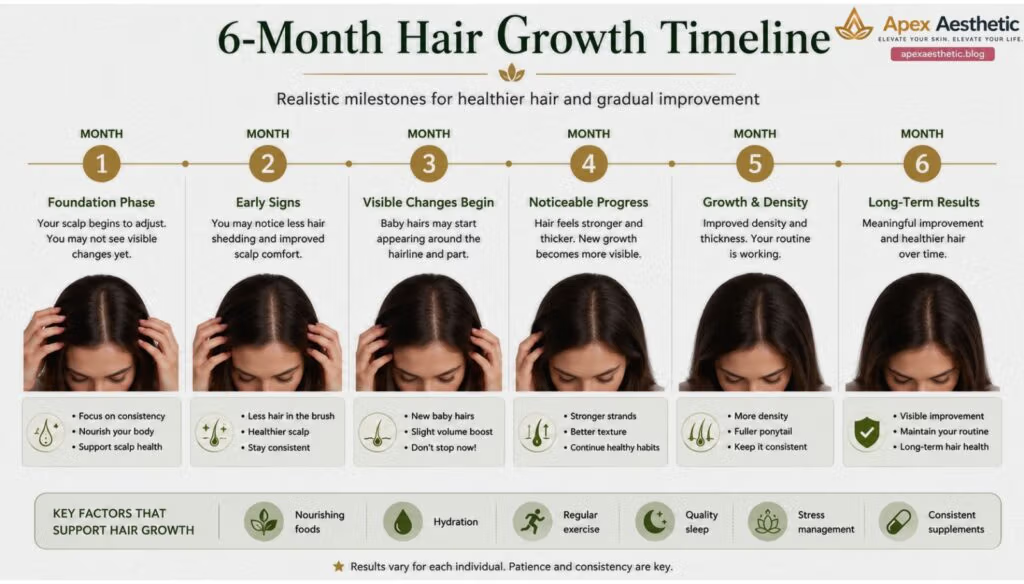
Months 1–2: Scalp health improves, and hair shedding often decreases. This is usually the first noticeable sign of progress.
Months 3–4: New hair growth may begin to appear around the hairline and temples. These fine hairs are often easiest to spot in good lighting.
Months 6 and Beyond: Meaningful improvements in hair density may become noticeable if a confirmed nutritional deficiency were the underlying cause.
No improvement at 6 months is a signal that vitamin deficiency may not have been the root issue. The American Academy of Dermatology recommends revisiting with a dermatologist at that point. Their hair loss diagnosis and treatment page provides clear patient-level guidance on when to seek professional evaluation.
Many people find it helpful to set a 90-day reminder when starting a hair growth supplement routine, as visible changes rarely happen overnight. During the first month, it may seem like nothing is improving. By the second month, some people with a confirmed nutritional deficiency begin to notice less hair shedding, such as fewer strands in the shower drain. Around the third month, tiny new hairs may become visible along the hairline or temples. While individual results vary, consistent supplementation and patience are essential because meaningful improvements usually take several months to appear.
Expert tips: how to actually get results from hair growth vitamins
Test before you supplement. A 25-OH vitamin D panel, ferritin test, and full B12 panel together cost less than one month of a premium supplement. Those three tests cover the three most common deficiencies behind US hair loss.
Choose a B-complex over isolated biotin. The B vitamins work more effectively together than separately. A full B-complex covers B6, B7, B9, and B12 in one capsule without stacking multiple products.
Watch your vitamin A intake. Excess vitamin A is a documented cause of supplement-induced hair shedding. If you take a multivitamin alongside separate supplements, check that your total vitamin A stays under the safe upper limit.
Capsules absorb better than gummies. Gummy formulas can have lower bioavailability due to sugar content and binding agents. The difference is not dramatic, but capsules are preferable when targeting clinical results.
Daily Hair Health Checklist
- □ Eat protein-rich meals.
- □ Take supplements only as directed.
- □ Stay hydrated.
- □ Protect hair from excessive heat.
- □ Avoid unnecessary chemical treatments.
- □ Sleep 7–9 hours.
- □ Manage stress through regular exercise or relaxation techniques.
- □ Track progress with monthly photos instead of daily observations.
Frequently asked questions about hair growth vitamins
Can taking too many vitamins cause hair loss?
Yes. Excess vitamin A, selenium, and vitamin D are the most documented causes of supplement-induced hair shedding. Excess iron also triggers shedding. More is not always better, which is exactly why blood testing before supplementing is the practical first step.
Is vitamin K2 good for hair growth?
K2 regulates calcium metabolism and has shown some early association with follicle health in small studies. It is not a primary hair vitamin and does not belong at the top of your supplement list. It is increasingly included in premium formulas, and more research is needed before making it a priority.
Do vegan hair gummies actually work?
Vegan hair gummies work if they address your actual deficiency. Most contain biotin, B12, folate, zinc, and D3, which are the core hair-supporting nutrients. The gummy form has slightly lower bioavailability than capsules, but the practical difference is small enough not to be decisive.
Is myo-inositol worth trying for hair loss?
If you have PCOS or suspect androgen-related hair thinning, myo-inositol is worth discussing with your doctor. It targets the hormonal pathway driving DHT-related shedding and is one of the more promising emerging supplements for that specific hair loss type. It is not a general-purpose hair growth vitamin.
How do I know if my hair loss is from a vitamin deficiency?
Look for diffuse shedding across the whole scalp rather than patchy loss, shedding that began 2 to 3 months after a major stressor, illness, or dietary change, and hair that breaks more easily than usual. A blood panel is the only way to confirm deficiency definitively.
What to do next – Conclusion
The most practical step before buying any supplement is a simple blood panel. A vitamin D test, ferritin test, and B12 check together give you exact information about what your hair actually needs. That is worth more than a cabinet full of supplements taken on a guess.
These vitamins support growth at the follicle level, which means they work the same for all hair textures, from straight hair to 4c coils. The biology is identical.
If you are building a full evening routine alongside your supplement protocol, the night skincare routine for glowing skin pairs well because overnight is when repair processes are most active. And the body care routine for glowing skin covers the complementary habits that support both scalp and skin health from the outside.
Sources:
- American Academy of Dermatology. Hair loss: Types and causes.
- NIH Office of Dietary Supplements. Vitamin D: Fact Sheet for Health Professionals.
- Almohanna HM, Ahmed AA, Tsatalis JP, Tosti A. The Role of Vitamins and Minerals in Hair Loss: A Review. Dermatology and Therapy. 2019. PubMed PMID: 30547302.
- Glynis A, Ablon G, Kogan S. A Prospective Six-month Single-blind Study Evaluating Changes in Hair Growth and Quality Using a Nutraceutical Supplement. PubMed PMID: 35309272.
- Zacche MM, Caputo L, Filippis S et al. Efficacy of myo-inositol in the treatment of cutaneous disorders in young women with PCOS. Gynaecological Endocrinology. 2009. PubMed PMID: 19551544.
- American Academy of Dermatology. Hair loss: Diagnosis and treatment.