Table of Contents
Introduction
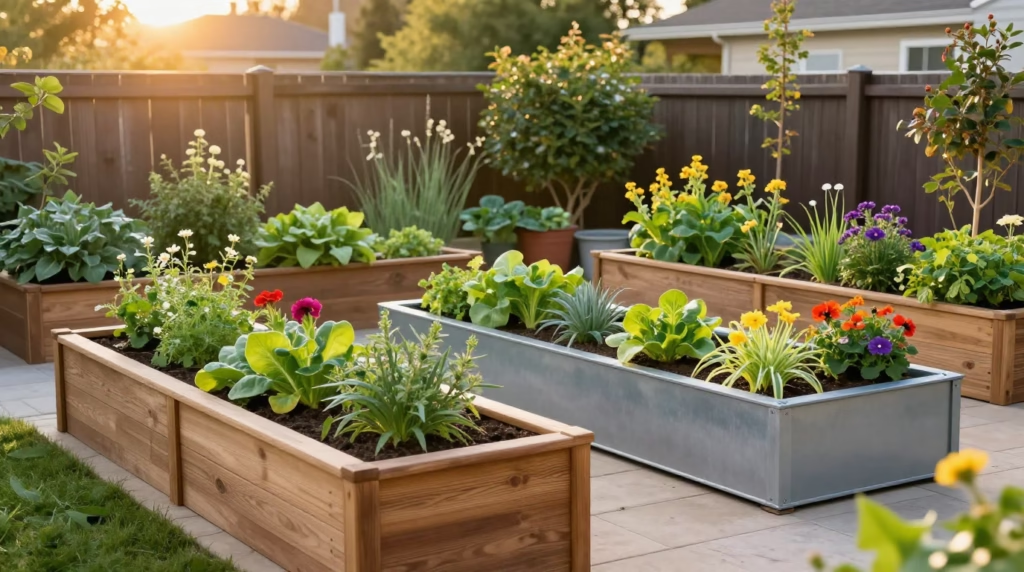
Raised garden bed ideas have completely changed what’s possible in a compact outdoor space. If you are wondering which wood will hold up best in a raised bed, the answer is usually cedar. It is the go-to for good reason: untreated cedar has a natural resistance to rot and insects that will see it through 10 to 20 years of service. You will pay for that longevity at the register, some $8 to $12 a linear foot, but the lifespan makes it worth the extra outlay.
Then there is pine. At 30 or 40 percent less than cedar, it is an economical choice for the novice who isn’t sure gardening is a long-term commitment. A pine bed will do its job for 3 to 7 years. If you opt for pressure-treated pine with ACQ (alkaline copper quat), it is perfectly safe for your food garden; just stay away from older CCA wood, as the arsenic compounds can leach into the soil.
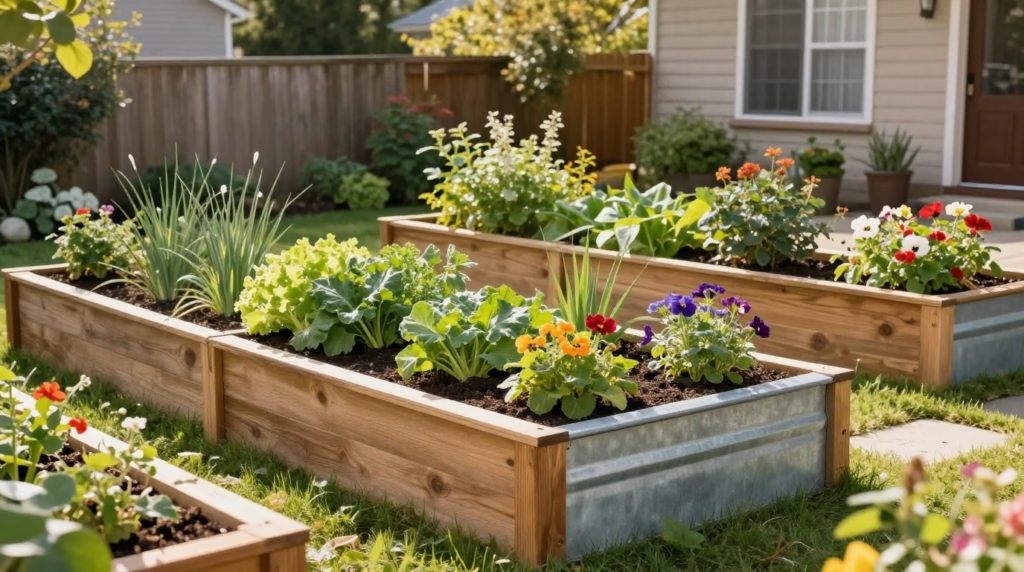
For a third option, galvanized steel is hard to beat. A 2×6-foot corrugated metal trough runs $40–$80, requires no assembly, and will last 20 years or more. They warm the soil in spring and have a certain appeal in modern designs.
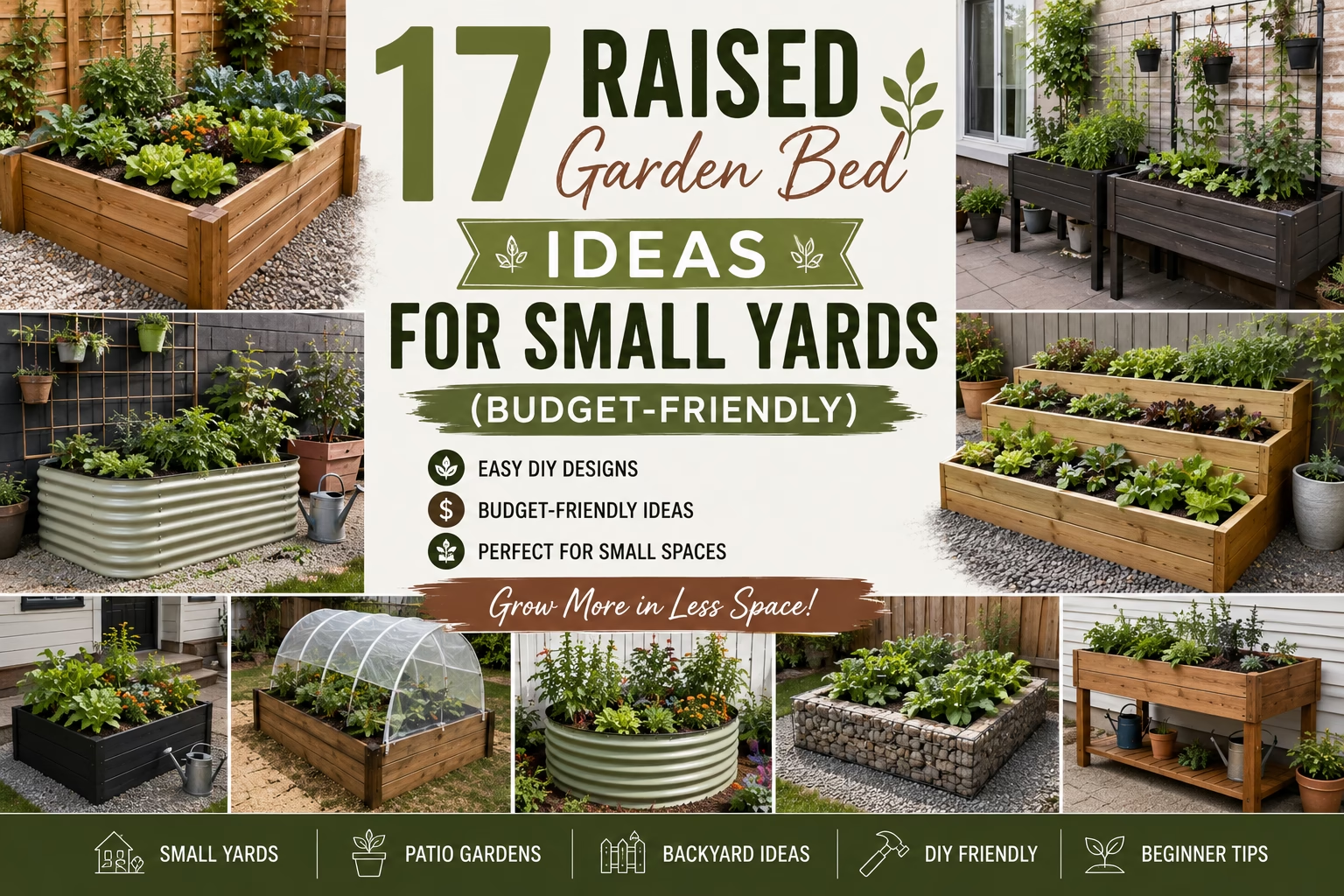
Below are 17 raised garden bed ideas to suit any yard or budget.
1. The classic 4×8 cedar
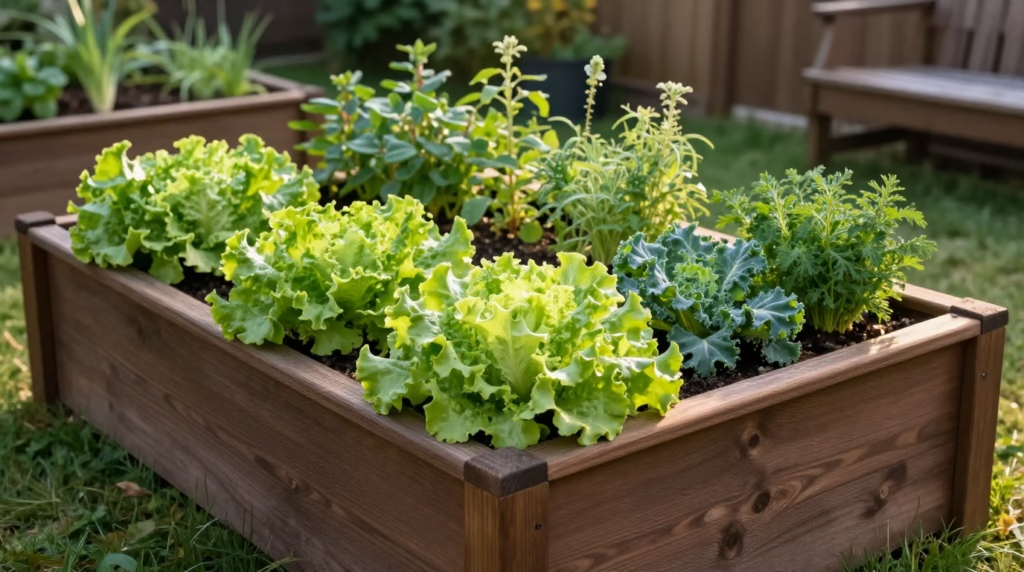
This is where most people start. Put in an afternoon’s work with two 8-foot 2×10s, and you have a standard frame and 32 square feet to plant in. We like to put a 60/30/10 blend of topsoil, compost, and perlite in it. Give the outside a coat of dark stain, say charcoal or forest green, and it looks more considered than merely functional.
2. Tiered beds on a slope
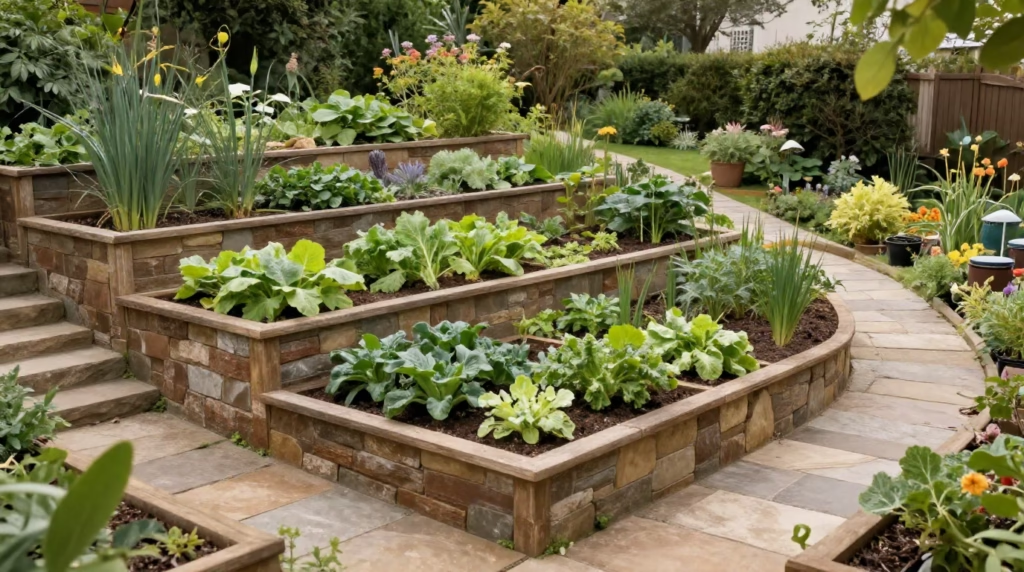
A flat bed in a sloped yard is a drainage nightmare. Make two or three tiered beds that step down the grade. The water will find its way between levels, and the staggered look gives some depth to an awkward part of the yard. Cut your cedar at a 45-degree angle to lock the tiers together.
3. An L-shaped corner layout
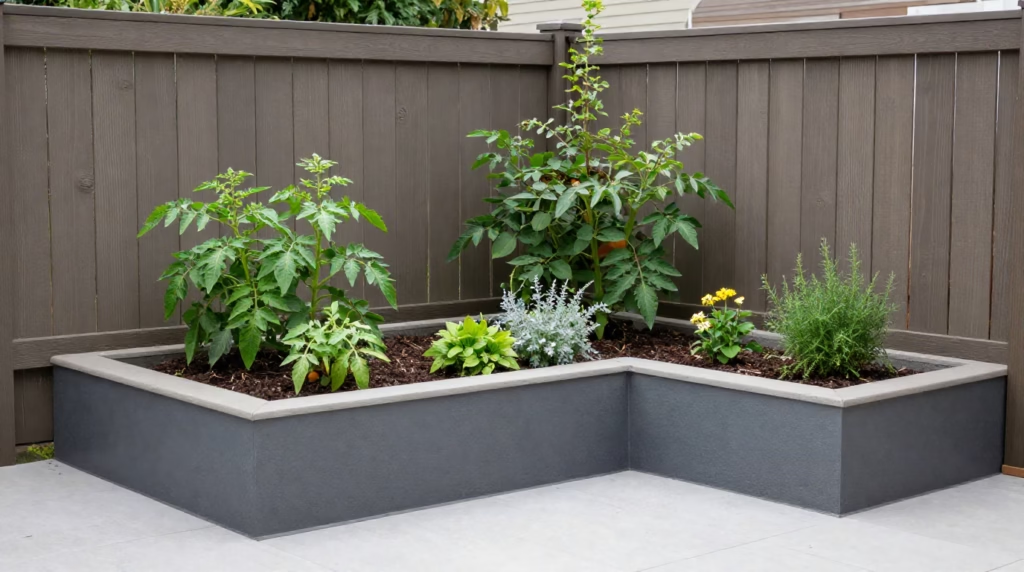
Two 4×4 beds in an L will make use of a fence corner that would otherwise be dead lawn. You still get your 32 square feet of planting room and a feeling of enclosure. Put your tomatoes and pole beans on the back legs and shorter varieties in front.
4. With bench seating
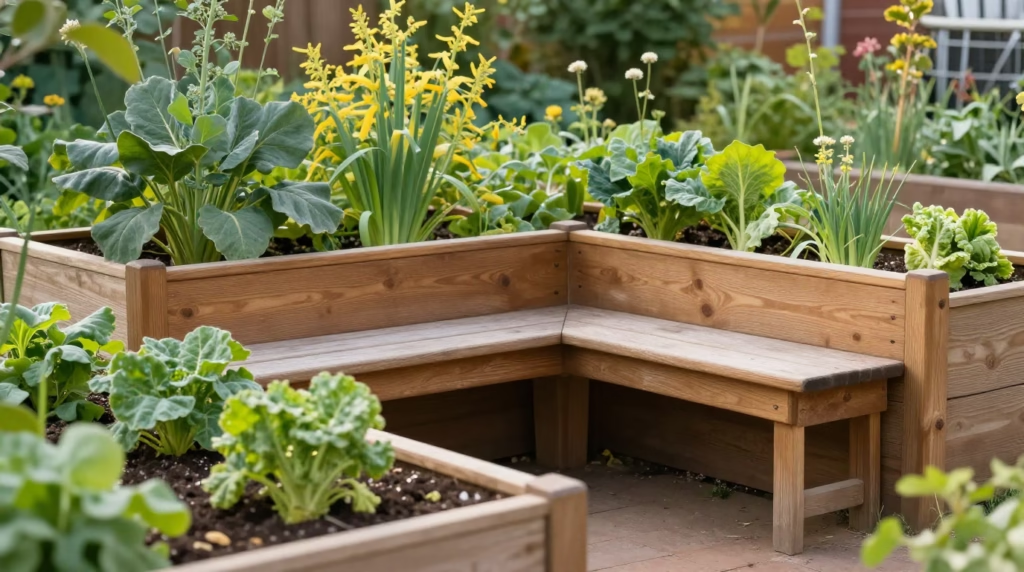
Put a 6- to 8-inch capboard on the frame, and you have a place to put your coffee while you weed or harvest. It is easier on the knees and gives the bed a finished appearance. Stick with the same lumber and finish as the rest of the frame for a unified look.
5. Galvanized metal
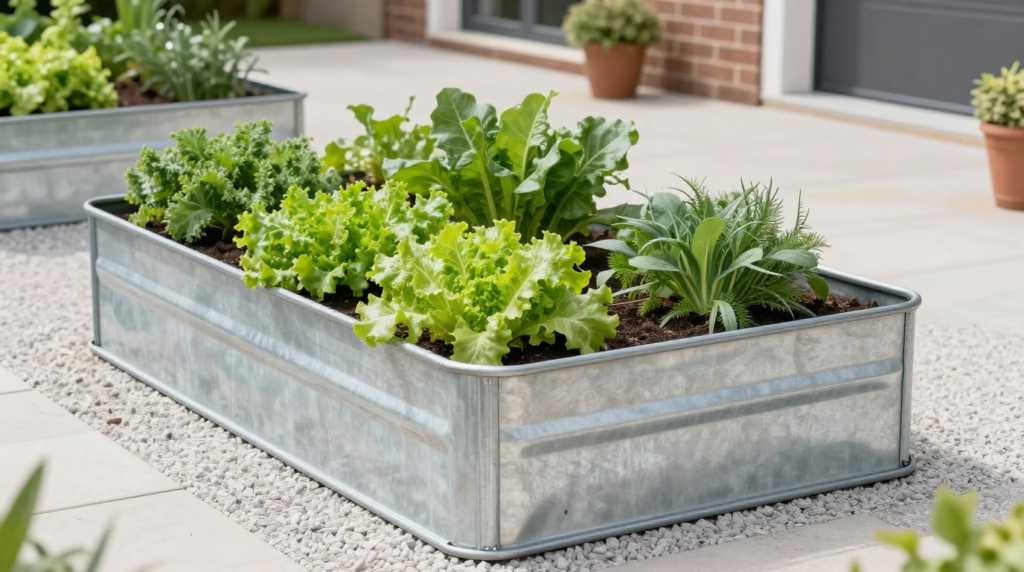
These were among the most popular cheap options in 2023. A stock trough from the farm supply store or garden center costs less than top-shelf cedar and will be around for decades. A 2×4 or 2×6 is all you need, and there is no building involved.
6. Add a vertical trellis
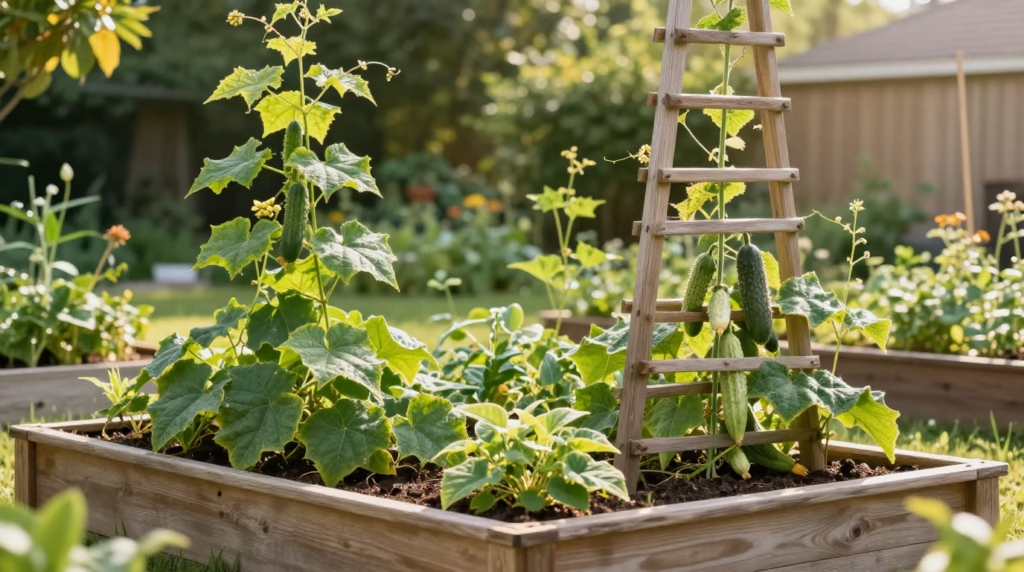
Fix a wire or wood trellis to the back of the frame and let your cucumbers and squash grow up rather than out. It is one of the best ways to double your yield in a small backyard without using any more ground.
7. Herbs by the back door
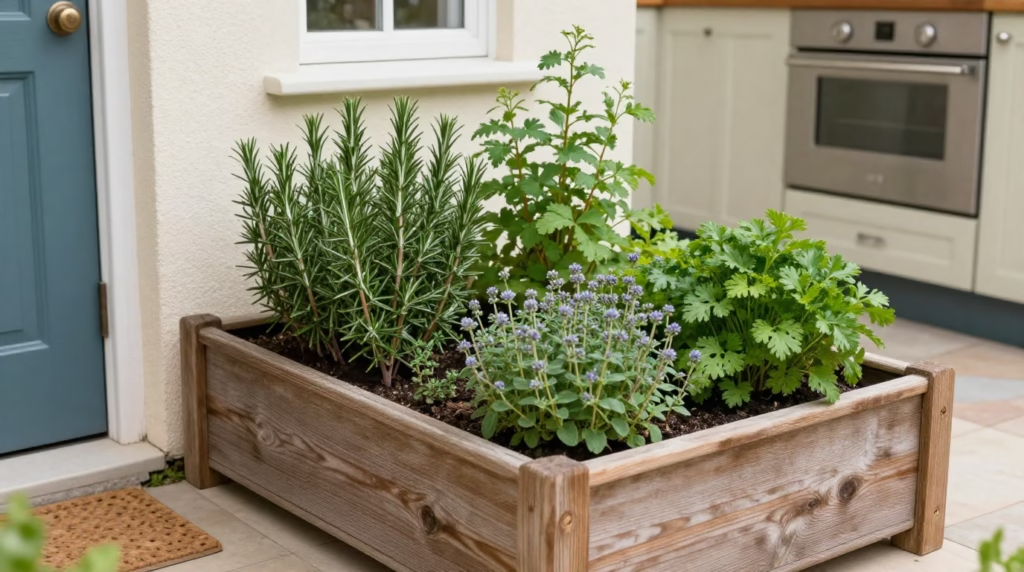
Within 10 feet of the kitchen is the right spot for a 2×4 bed of rosemary, thyme, chives, and parsley. Mint too, though you had better keep it contained. When they are 30 seconds away, you will use them. Being close to the house means they get the attention they require.
8. A strawberry pyramid
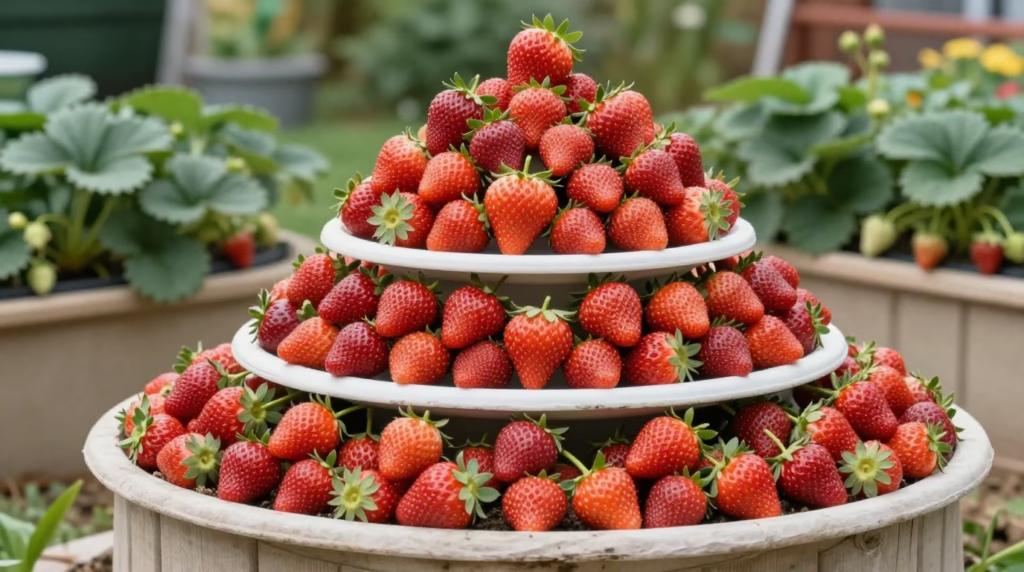
Three tiers, wide at the bottom and tapering off, make for an attractive planter. The strawberries will cascade over the sides as they run. It is better for air circulation than a flat bed, cutting down on fungus, and you will get more fruit from the 18 square feet it occupies.
9. Pallet wood DIY
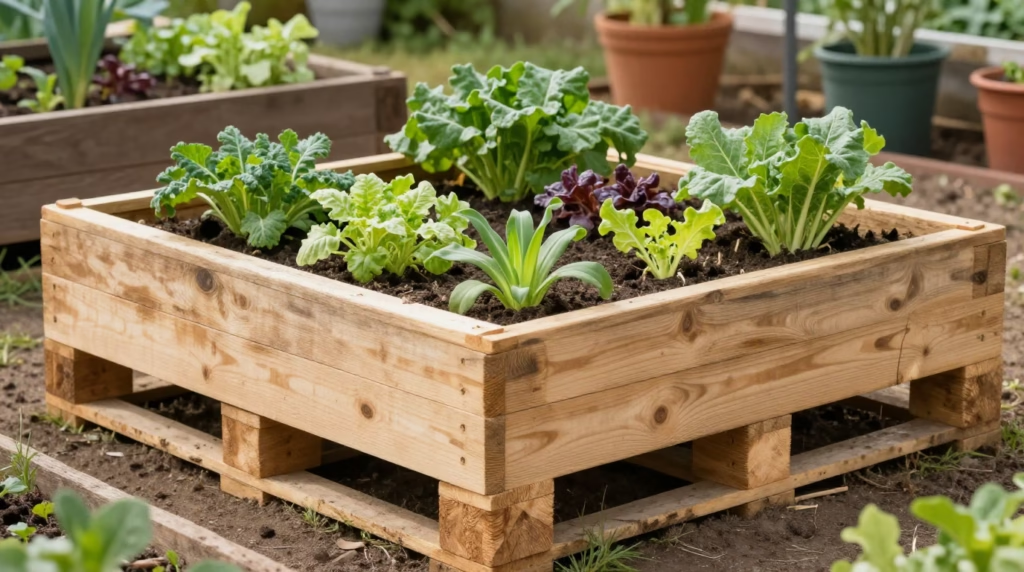
You can pick up a heat-treated pallet for next to nothing at any lumber yard or hardware store (make sure it has the HT stamp and steer clear of MB ones that have been treated with methyl bromide). With some elbow grease, you can break it down, cut the boards, and put together a 4×4 frame. It is not going to be around in ten years, but for under $10 it is a fine way to get your first season underway while you put aside money for a more permanent solution.
10. The concrete block option
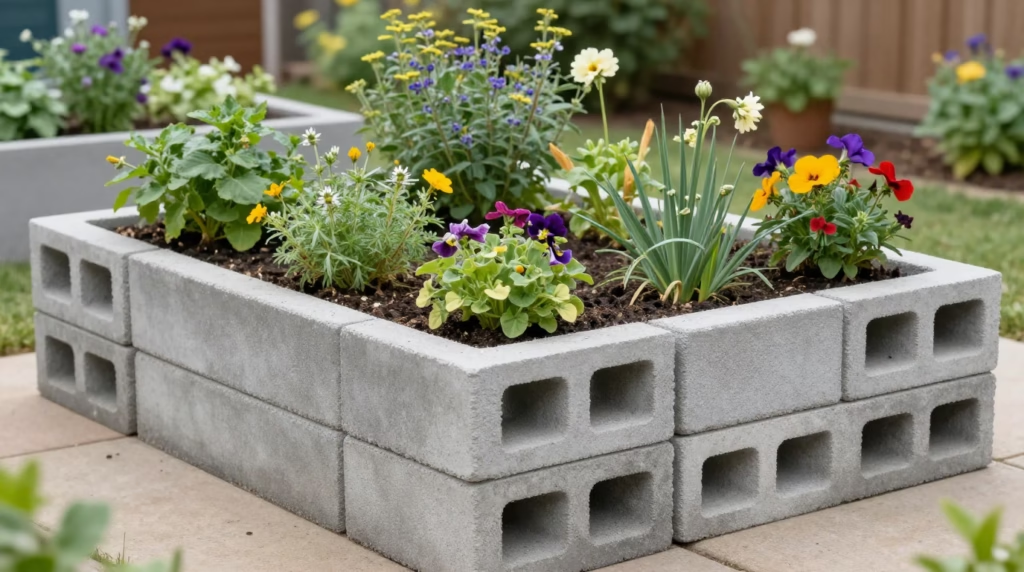
There is no carpentry involved here. Just stack standard concrete blocks two courses high to make a rectangle, put in your soil, and you are ready to plant. You will find the hollows in the blocks make handy little planters for things like strawberries, herbs, and low flowers. Expect to pay in the region of $30 to $50 for the materials on a 4×8 bed.
11. Drip irrigation for your raised bed
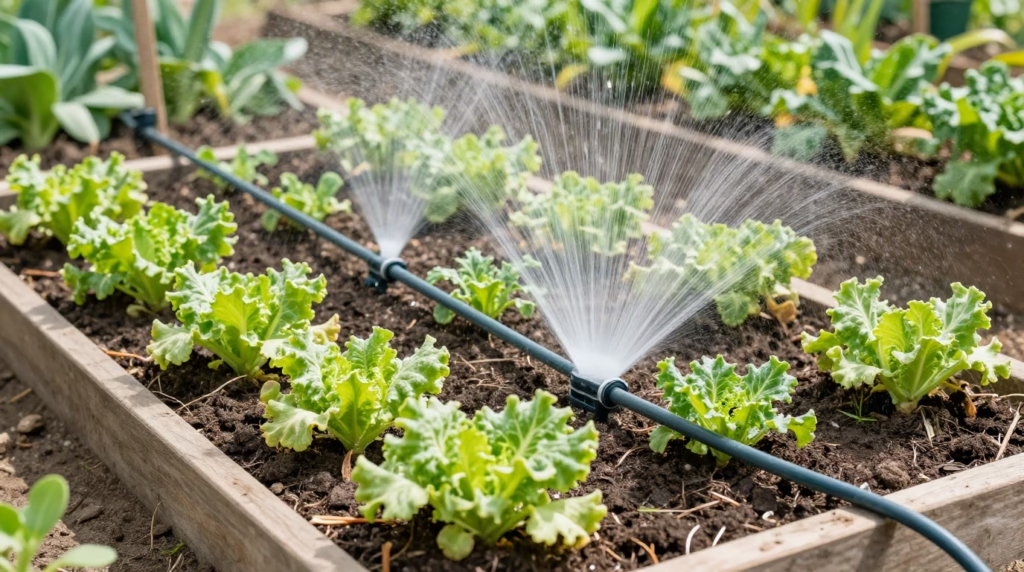
Put in a simple drip line right at the soil level before you do any planting. Since the water goes straight to the roots and doesn’t evaporate off the surface, you won’t have to water as often as with an overhead sprinkler—we are talking 30-50% less. Most garden centers will have a kit for a raised bed for $20-$40 and it takes less than an hour to put in. In hot, dry parts of the country this is well worth doing for a vegetable garden.
12. Go circular
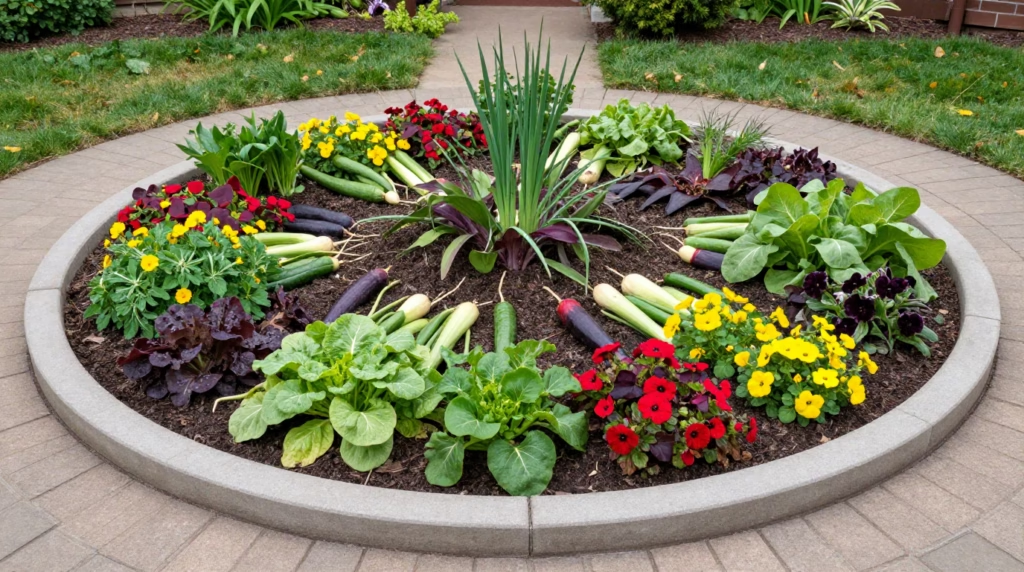
A 6-foot diameter circle gives you a bit over 28 square feet to work with and is a nice change from the usual rectangular shape. You can fashion one from curved wooden boards (soak them first to make them pliable), flexible edging, or even bent corrugated steel. Put your taller plants in the middle and let the shorter ones radiate out to the perimeter.
13. Cold frame lid
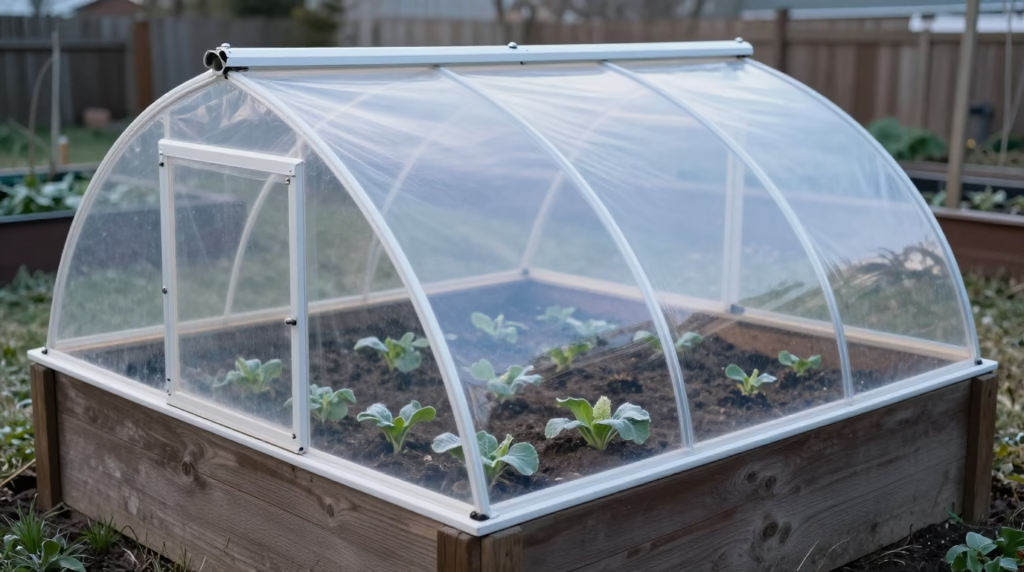
Fitting a hinged polycarbonate or tempered glass top to an ordinary raised bed turns it into a cold frame. That will give you an extra 4 or 6 weeks of growing in late autumn and early spring. You don’t need an added heat source to see off a light frost with lettuce, kale, radishes, or most root veg.
14. Keyhole design
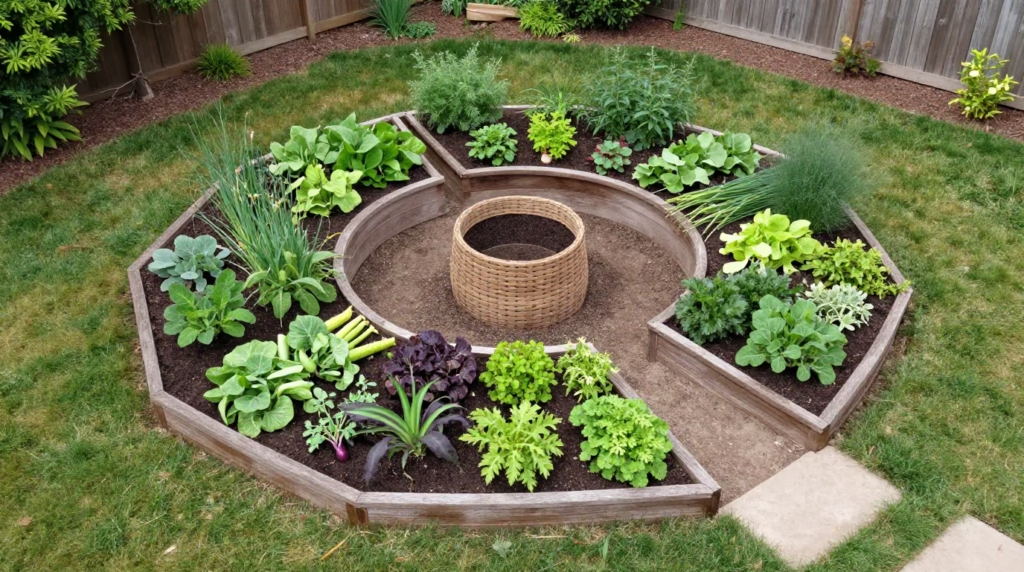
This is a circular bed with a narrow notch on one side so you can step in and reach the middle. The Sustainable Agriculture Research & Education Program (SARE) has plenty on this concept, which comes out of African permaculture systems. Usually, you will put a compost tube in the center to feed the bed from your kitchen scraps and avoid having to use outside fertilizer.
15. Wine barrel planter
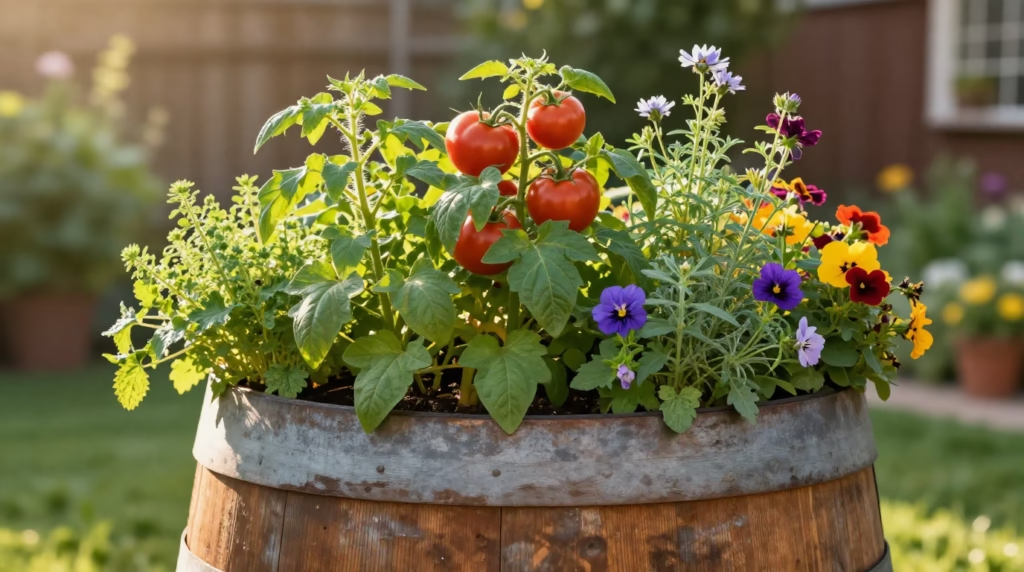
Half barrels are decorative and deep enough at 24 inches for courgettes, peppers, and tomatoes that don’t do well in a regular raised bed. One will hold a full herb collection or three or four tomato plants. Landscaping suppliers have them for $40-$80 and they suit any garden, cottage or contemporary alike.
16. Companion planting
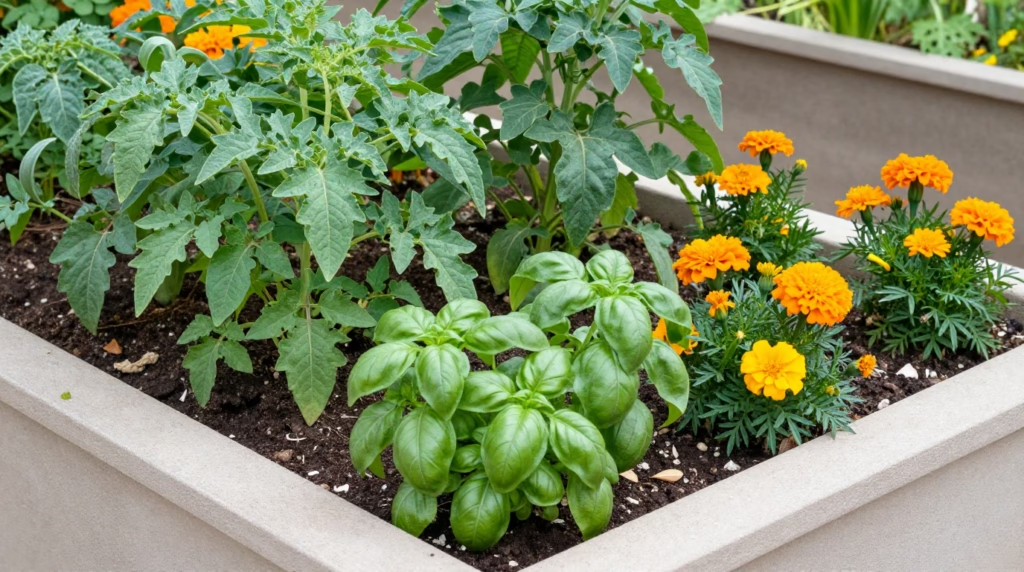
Why not put your tomatoes in with some basil and marigolds? The Journal of the American Society for Horticultural Science has looked at how the two grow together, and the marigolds will put off aphids and whitefly with the limonene they put into the soil. It is a more productive way to fill the bed and means fewer pesticides. If you want to go further, have a read of our pollinator guide to see what flowers will draw in the good insects for your veggie beds all season.
17. A four-bed kitchen garden
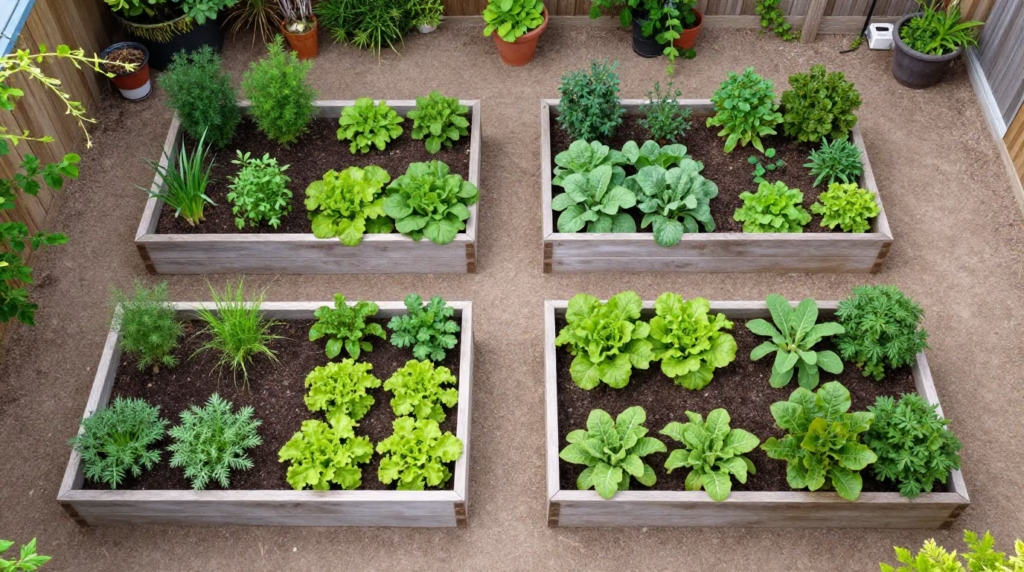
Lay out four 4×4 beds in a square with 2-foot paths in between. Dedicate one to leafy greens, another to roots, and then fruiting crops and herbs. Switch them around each season to keep the soil and pests in check. In a 20×14-foot area, you can produce enough to make a dent in your grocery bill come summer and autumn.
What is the most economical raised bed you can put in yourself?
For a 4×8 pine frame, you are looking at $25-$45 in lumber. Get two 8-foot 2×10s and two 4-foot pieces, screw the corners with 3-inch exterior screws, and set it on the ground. You can have it done in 30 minutes.
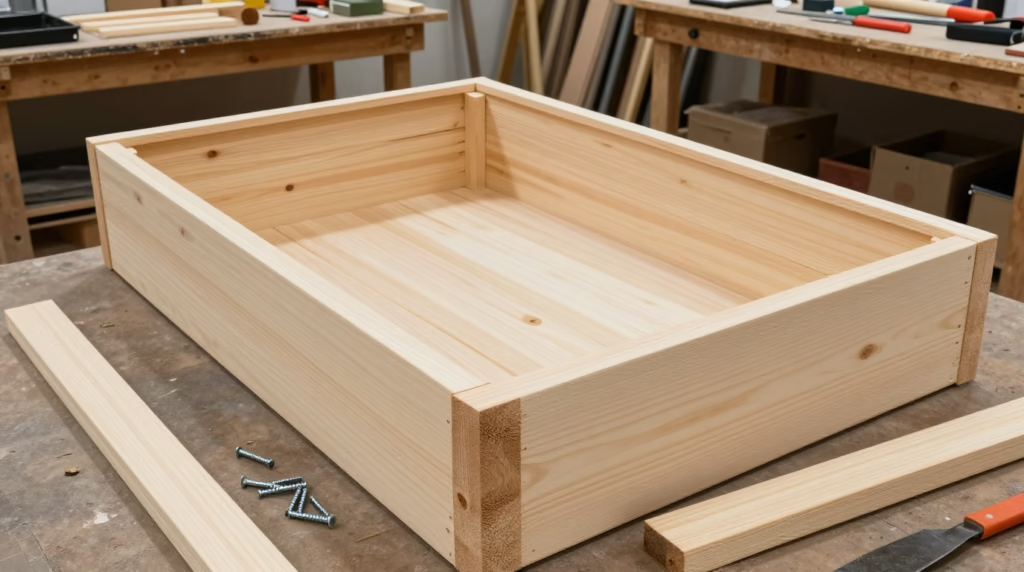
The frame is the easy part; the soil is where the price tag goes up. To fill a 4×8 to 10-inch space, you need 26 or 27 cubic feet of medium. Bagged topsoil and compost from the garden center will set you back $3-$5 a cubic foot, or $80-$135 in total. But if you can put a bulk order in with a landscape supply company, you save 40 to 60 percent on that. Do the math: $35 for the pine and $55 for a bulk mix, and you have a working garden for under $100.
Watch: How To Build A Raised Garden Bed — Cheap And Easy
If you prefer to see the build in action before picking up a saw, this beginner-friendly walkthrough covers the full process from cutting lumber to filling the bed in a single sitting.
▶ How To Build A Raised Garden Bed – Cheap And Easy | Gardening For Beginners
Which raised garden bed layout gives the highest yield?
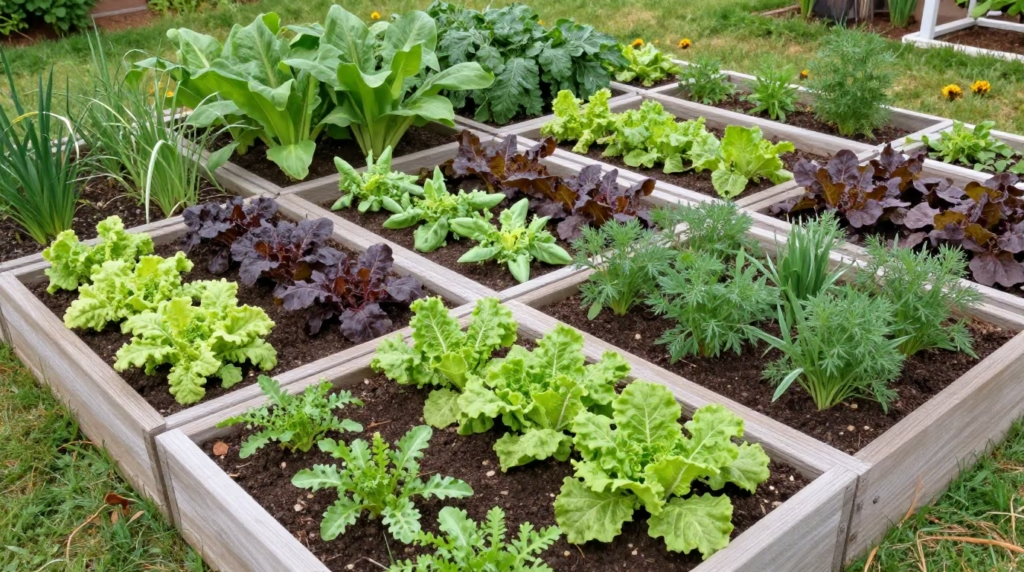
If you are looking for the raised garden bed layout that will put the most on your table, square foot gardening is hard to beat. It has a way of outdoing traditional row planting when it comes to getting maximum food out of a small backyard space. The technique was put forward by Mel Bartholomew in the 1970s and is detailed in his book Square Foot Gardening (Storey Publishing).
You simply divide up the bed into 1-foot squares. In one of those, you might have a single large plant like a tomato or cabbage, four medium ones such as lettuce heads, nine smaller plants like beets, or as many as 16 if they are tiny radishes or carrots. University extension studies put numbers to it: you can expect yields two or three times what you would get from rows with far less water. One 4×4 bed done this way will see you through the summer with fresh salads and greens without having to make any extra trips to the store.
How do you set up a beginner raised garden bed from scratch?
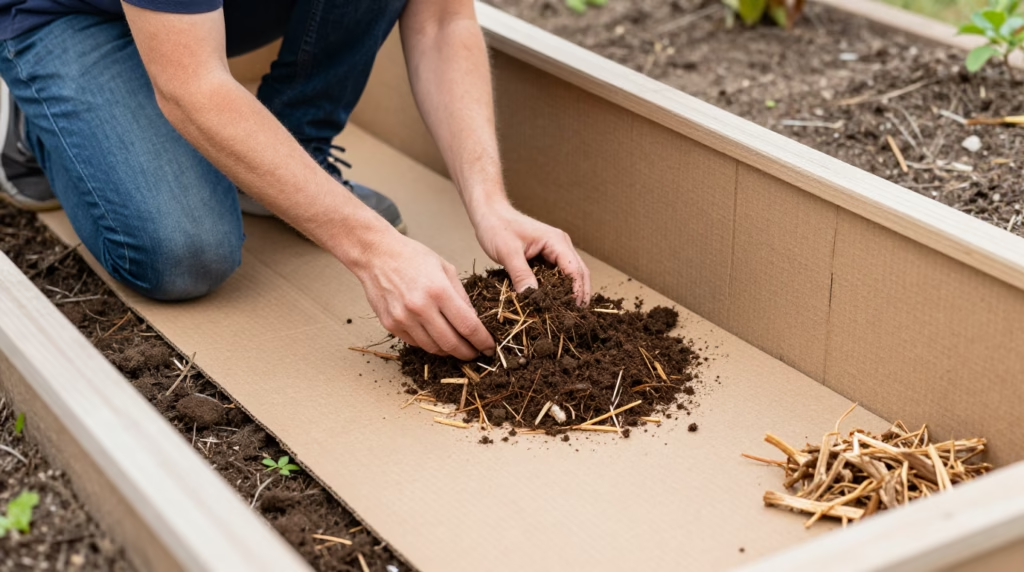
Setting up a beginner’s raised bed from the ground up is straightforward. First thing is to find the spot; don’t put down the bed until you have watched your yard for a day. Most vegetables want a good six hours of direct sun, and you can be fooled by afternoon shade from a tree or the house. Once you have cleared the area, put down some cardboard to keep the weeds at bay.
Make sure the seams overlap about 6 inches or so. You don’t need expensive weed cloth that clogs up the soil and doesn’t decompose. The cardboard will do its magic and add organic matter in a season. After you have planted and filled the bed, top it off with 2–3 inches of wood chip or straw for mulch. It keeps the temperature even and saves you from sweating. For your first go-around, the National Gardening Association would point you to cherry tomatoes, zucchini, herbs, and the like. They are forgiving of new gardener errors and give you a quick sense of accomplishment.
What do raised garden beds need in winter?
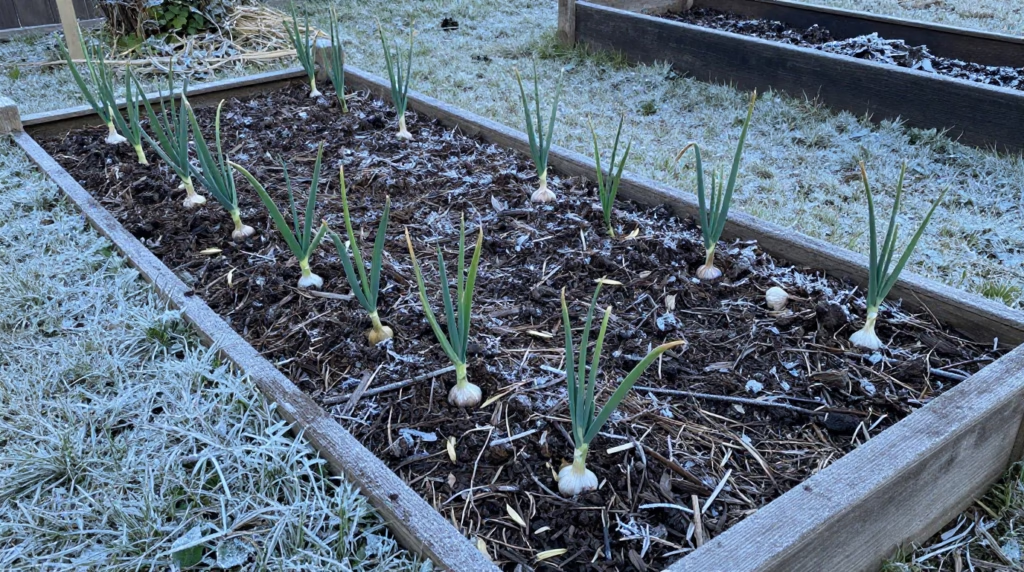
When winter comes, you will want to clear away the spent plants after a hard frost. If the ground isn’t going to turn to stone, leave root vegetables be; a frost will sweeten the parsnips and carrots. Put 2–4 inches of compost or old manure on top and let the rain do its work. We call that “winter mulching,” and it means less labor come spring. October is also a good time to put in garlic in the raised bed for June bulbs and to think about how you want to arrange things next year.
FAQ: Raised Garden Bed Ideas
How deep does a raised garden bed need to be?
Six inches is fine for shallow-rooted flowers or herbs. Go 10 to 12 for beans and peppers. But for potatoes and carrots, you want 18 inches or more. Yes, the deeper beds set you back more to fill, but the root crops are worth it.
What do you put in the bottom of a raised garden bed?
Cardboard to stop the weeds from coming up. Then, a growing mix of 60% topsoil, 30% compost, and a bit of perlite or sand. Don’t bother with rocks or gravel; they won’t help drainage and may actually keep the roots too wet.
How long does a raised garden bed last?
Cedar: 10–20 years. Pine: 3–7 years. Galvanized metal: 20+ years. Concrete blocks: indefinitely. The limiting factor with wood is the bottom boards, which contact soil constantly and degrade first.
Can you build a raised garden bed directly on grass?
Yes, you can. Wet the cardboard and lay it over the grass to kill it off in a season or two without any digging or chemicals. And as for longevity, cedar will last 10–20 years, while pine is only good for 3–7. Galvanized metal and concrete blocks are practically forever, though with wood, the bottom boards will always be the first to go since they are in constant contact with the earth.
How much does it cost to fill a raised garden bed?
Cost-wise, figure on $80 to $150 in bagged soil for a 10-inch-deep 4×8 bed. If you buy in bulk from a supplier, you can halve that, and your own compost will bring the price down further.
Sources
- National Gardening Association — garden.org
- University of Maryland Extension — extension.umd.edu
- Mel Bartholomew, Square Foot Gardening, Storey Publishing
- Sustainable Agriculture Research & Education Program — sare.org
- The Old Farmer’s Almanac — almanac.com
Looking for more ways to transform your outdoor space? Pair your raised garden beds with natural landscaping elements to create a beautiful and functional backyard retreat. Explore our guide on Privacy Plants for Backyard Spaces to discover fast-growing hedges, evergreen screens, and low-maintenance plants that can add beauty, shade, and privacy around your garden beds while enhancing the overall outdoor living experience.
Conclusion
Raised Garden Bed Ideas. When it comes to expanding your growing space, there are options for all yard sizes and budgets. From traditional cedar frames to innovative designs like tiered slopes and companion planting, these approaches balance durability, yield, and aesthetics. Material choices like cedar, pine, or galvanized metal affect longevity and affordability, and layout options such as traditional rectangular beds or circular or keyhole designs fulfill particular gardening needs and site conditions.